
By Binta Jaiteh
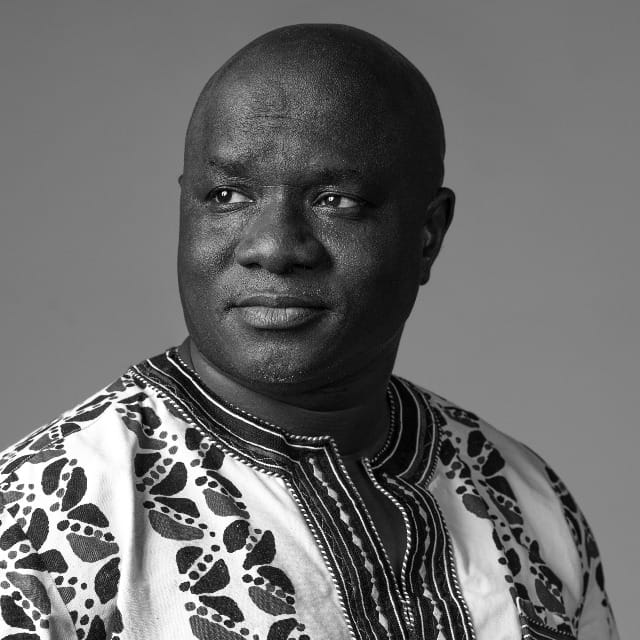
Prominent human rights activist Madi Jobarteh has called on Gambians to pay serious attention to the 2021, 2022, and 2023 Audit Reports, warning that they expose critical issues in the management of public funds.
According to him, the audit reports are more than technical documents.
“They are national mirrors, exposing how the state manages our common wealth. They tell a tragic story of public funds meant for our welfare being misused, mismanaged, and, in many cases, outrightly stolen. They reveal the rot in governance, the collapse of accountability, and the normalization of impunity,” he said.
In a statement issued on Monday, the activist emphasized that, apart from the Constitution, the national budget is the most important law in the country.
“Together, they define the governance of our nation, one provides the legal foundation for our freedoms, rights, and duties, while the other determines how our collective wealth is created, allocated, and spent. The budget represents the pulse of national life, transforming taxes and resources into schools, hospitals, roads, and salaries. To disregard it, or to allow its abuse, is to compromise both the Constitution and our very existence as a people,” he lamented.
Jobarteh stressed that allowing the plunder of national wealth without accountability is as dangerous as violating the Constitution.
“Both acts destroy public trust, weaken state institutions, and embolden corrupt leaders. The result is dictatorship not necessarily by the gun, but through the gradual erosion of law, morality, and justice,” he said.
He reiterated that “To allow the abuse of public funds is as dangerous as tearing up the Constitution. The Constitution guarantees our rights, while the budget determines the quality of our lives. When the Constitution is disregarded and the budget is plundered, dictatorship becomes inevitable.”
At the heart of this crisis, he said, is corruption, which he described as the greatest threat to the Constitution, the economy, and national dignity.
“Corruption represents stolen opportunities, broken systems, and shattered hopes. It breeds incompetence in public service, fosters inequality, and entrenches poverty. It explains why our hospitals lack essential medicine, our schools decay, and our youths risk death in migration. Corruption nurtures lawlessness and human rights violations because it rewards those who abuse power while punishing honesty and integrity,” he maintained.
He noted that corruption is not merely a moral failure but a national emergency.
“It turns the state into a self-destructing machine where loyalty to the corrupt replaces merit, and greed becomes a measure of success. It destroys the moral fabric of society, replacing solidarity with selfishness, patriotism with patronage, and justice with impunity. This is how nations collapse, not through external invasion, but through internal decay and moral bankruptcy. Sadly, this has been The Gambia’s story since 1965. From one regime to another, corruption has been encouraged, protected, and rewarded by those in the highest office,” he said.
He also criticized recent remarks by President Adama Barrow, who described corruption as “as old as mankind” and audit reports as “mere opinions.”
“When ministers dismiss findings as lacking ‘strong evidence,’ they are not defending the truth; they are defending their own crimes. These are reflections of a leadership that has surrendered to corruption,” he added.
Nevertheless, Madi Jobarteh urged Gambians to engage directly with the audit reports.
“Every citizen must read, discuss, and demand action. Civil society, the media, and ordinary citizens must insist on accountability. These reports are not just about numbers; they are about justice, the dignity of the taxpayer, and the future of our nation,” he stressed.