

By: Fatou Krubally
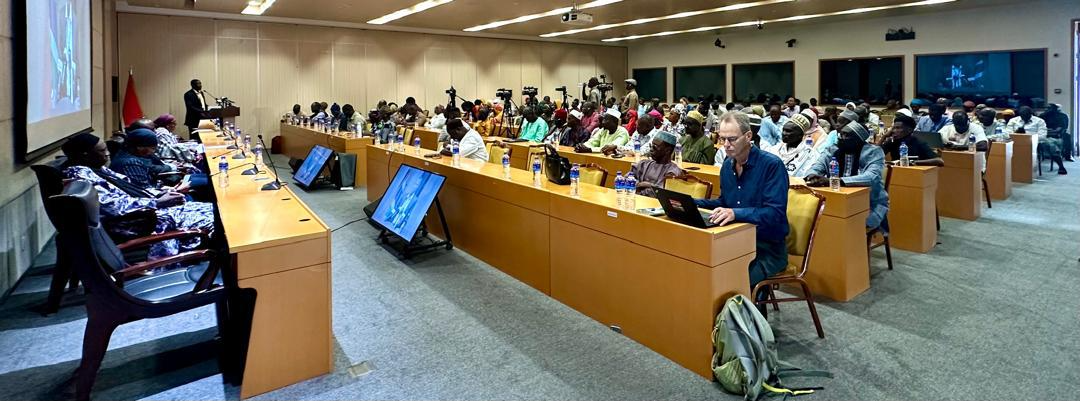
The Gambia yesterday opened a four-day Global Environment Facility (GEF) Expanded Constituency Workshop for Sahel and Coastal West African countries.
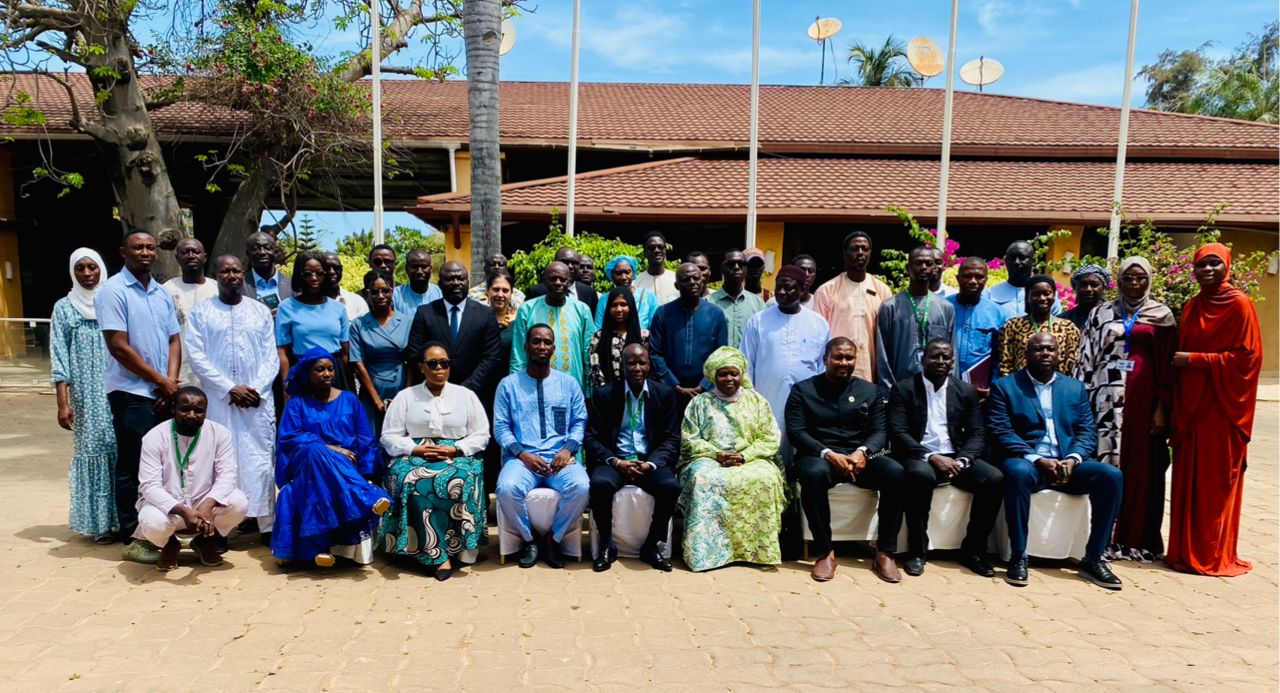
The meeting brought together representatives from 15 nations, civil society groups, and development partners to address urgent environmental challenges.
The workshop, held at the Coco Ocean Hotel in Bijilo, was officially opened by Deputy Chief of Staff at the Office of the President, Alieu Loum, on behalf of President Adama Barrow. Senior government officials, the GEF Secretariat, and regional delegates were in attendance.
In his keynote remarks, Dr. Dawda Badjie, Executive Director of the National Environment Agency (NEA) and GEF Operational Focal Point for The Gambia, described the country as one of the ten most climate-vulnerable nations globally. He warned that coastal erosion and land degradation continue to threaten livelihoods despite The Gambia’s negligible contribution to global emissions.
“Our coastlines, including Banjul, face severe erosion while nearly 30 percent of our land is degraded. Hosting this workshop is both a responsibility and a privilege. It places The Gambia at the centre stage of regional conversations on managing shared ecosystems and building resilience,” Dr. Badjie said.
He highlighted ongoing GEF-supported projects such as the Great Green Wall initiative, the Urban Resilience Project in Greater Banjul, mangrove restoration, and plastic waste reduction.
Representing the GEF Secretariat, Dr. Mohamed Imam Bakar said the workshop provides an important space for dialogue. “We want to hear your challenges and explore solutions together. Building relations and breaking silos is key,” he noted, stressing that GEF funding is catalytic and must be complemented by national ownership.
Also speaking, Bubacarr Zandy Jallow, Deputy Permanent Secretary at the Ministry of Environment, Climate Change and Natural Resources, warned of rapid coastal erosion. “In some areas, the coastline is retreating by one or two meters a year. This is not an abstract statistic; it is the literal erosion of the ground beneath our capital city,” he said.
The Expanded Constituency Workshop is expected to strengthen cooperation among Sahel and coastal countries in tackling climate change, biodiversity loss, and land degradation.
As discussions continue, Gambian officials urged delegates to turn commitments into concrete actions. “We cannot depend on projects forever. The resources given must leave a landmark for future generations,” Dr. Badjie cautioned.