By Fatou Krubally
Conservationists and community partners have unveiled an Ocean Waste Pyramid at Gunjur Beach to strengthen efforts to tackle ghost-net pollution and protect marine biodiversity along The Gambia’s coastline.
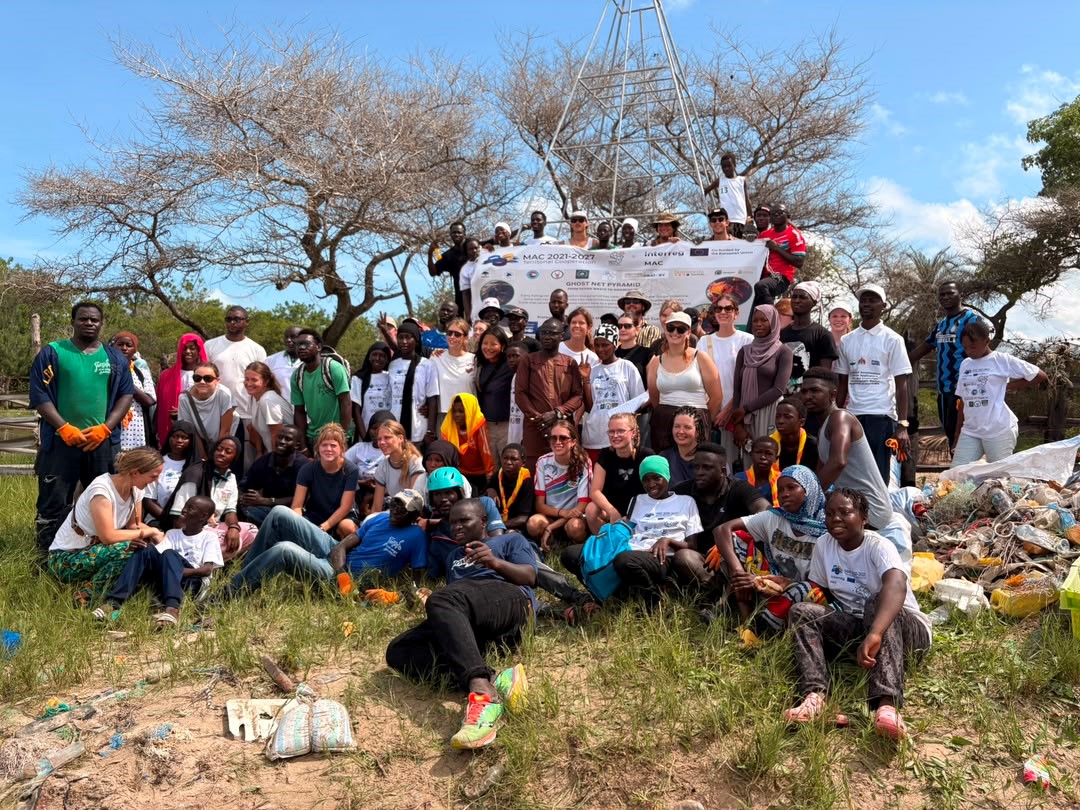
The structure was officially inaugurated on Sunday at Turtle Village following a community beach clean-up and ghost-net recovery exercise. It will serve as a collection point for discarded fishing nets removed from the shoreline while stakeholders explore sustainable recycling and reuse solutions.
Jenny Ringstead, co-founder of the Gunjur Project, said large quantities of abandoned fishing nets continue to wash ashore, posing a serious threat to turtles, crabs and other marine species.
She explained that while some types of fishing nets can be recycled, the green plastic nets commonly found on Gunjur Beach are particularly difficult to clean and process.
According to Ringstead, the Ocean Waste Pyramid provides an immediate way of removing the hazardous material from the beach while longer-term waste management options are being developed.
Cherno Jadama, a member of the local conservation team, said the installation will also function as an educational resource, helping students and community members understand the environmental impact of abandoned fishing gear.
Lamin Jassey, chairperson of the Gunjur Conservationists and Ecotourism Association, said ghost nets not only entangle marine turtles and other wildlife but also hinder conservation teams during nighttime beach patrols.
He noted that the association conducted regular coastal clean-up campaigns and intended to use the pyramid as an awareness center for schools, fishermen and visitors.
The initiative is part of the RECENTROS Circular Economy Fishing Nets Project under the Interreg MAC 2021–2027 Programme, which promotes community-led solutions to marine plastic pollution through collaboration between environmental organizations and local communities.
Organizers say their immediate priority is to keep the coastline free of abandoned fishing nets while working with government agencies and development partners to develop sustainable disposal and recycling systems.
About The Author