
By Fatou Krubally
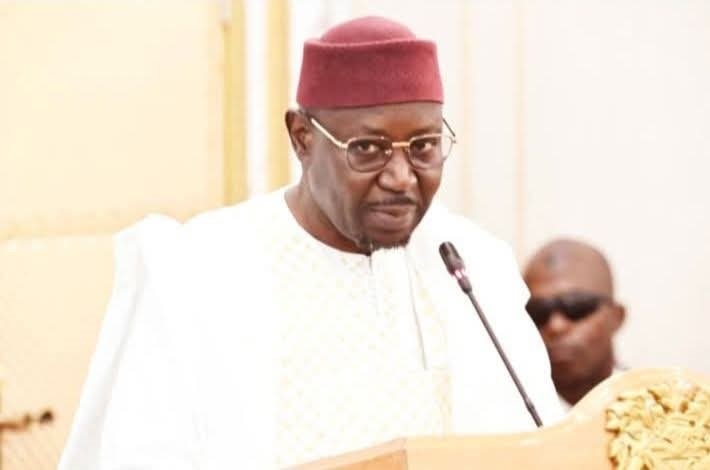
Information Minister Dr Ismaila Ceesay has rejected suggestions that The Gambia has lost control of its national security institutions because of the continued presence of ECOMIG personnel in the country.
Ceesay said the country’s security institutions remain under Gambian leadership, command and legal authority, describing claims to the contrary as misleading.
He said the Gambia Armed Forces, State Intelligence Services, Gambia Police Force, Immigration Department and other key security institutions are headed by Gambians and operate within the country’s laws and institutional framework.
According to the minister, ECOMIG’s presence is based on regional security cooperation and does not amount to foreign control over The Gambia’s national security.
Ceesay argued that security threats, including terrorism, organized crime, human trafficking and drug trafficking, increasingly transcend national borders, making cooperation among countries necessary.
He said cooperation with ECOWAS partners therefore strengthens The Gambia’s capacity to respond to such threats while maintaining its sovereignty.
The minister also compared The Gambia’s security arrangement with other countries where foreign security forces operate alongside national institutions under sovereign governments.
He cited the presence of NATO forces in Germany and United States forces in Japan as examples of security partnerships that, he said, did not necessarily amount to a loss of national sovereignty.
Ceesay urged Gambians to engage in factual and responsible discussions about ECOMIG’s role, saying legitimate questions concerning the regional force should not be based on the assumption that its presence amounts to foreign control.
He maintained that ECOMIG is a security partner rather than a replacement for Gambian security institutions and does not determine the country’s national security policy.
The minister reiterated that national security decisions remain under Gambian authority and that the country’s sovereignty remains intact despite its regional security cooperation.
About The Author