By Yunus S Saliu
The Gambia on Sunday joined countries around the world in commemorating World Tourism Day 2026, with stakeholders focusing on the role of artificial intelligence (AI) and digital technology in transforming the tourism sector.
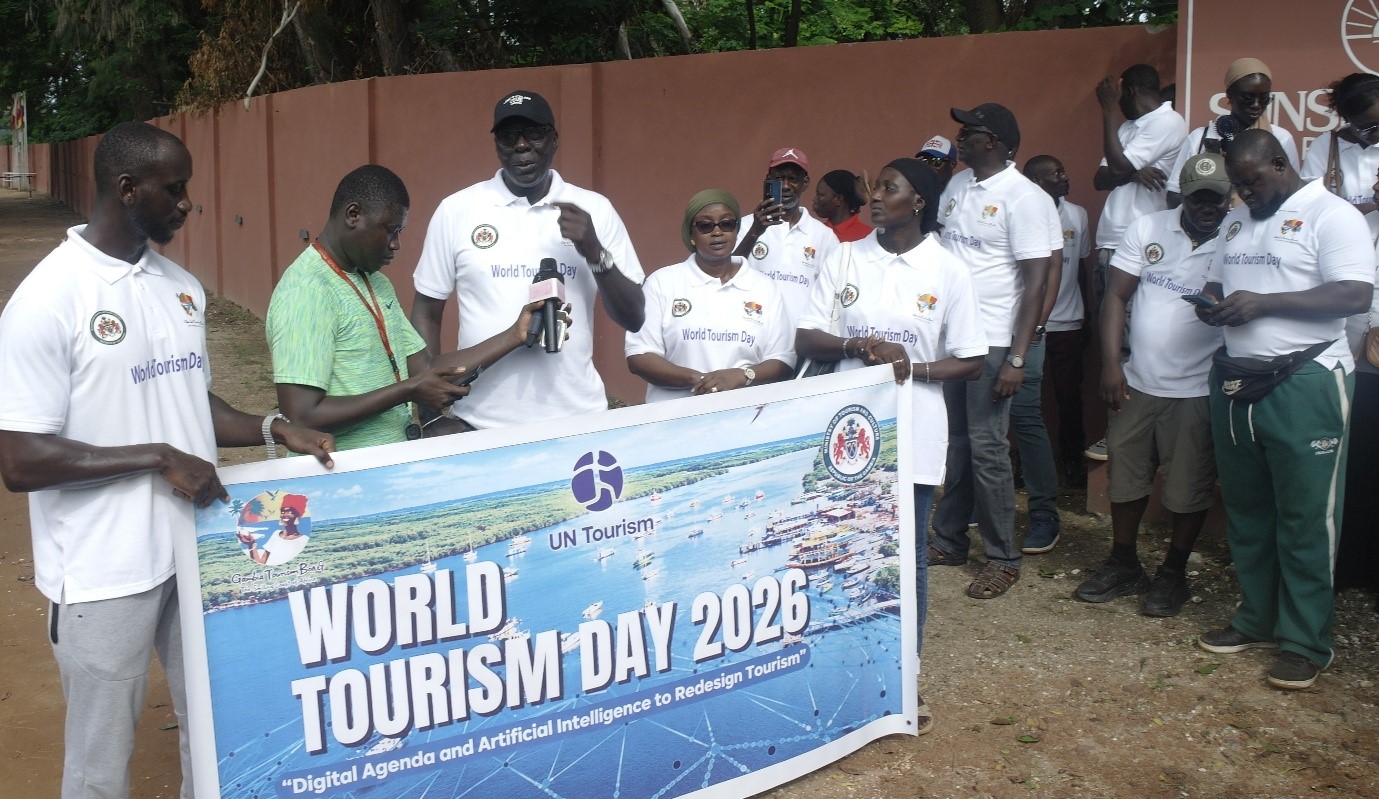
The commemoration, held on September 27 under the theme “Digital Agenda and Artificial Intelligence to Redesign Tourism”, was organized by the Gambia Tourism Board (GTBoard) in collaboration with the Ministry of Tourism, Arts and Culture (MOTAC) and other tourism institutions and stakeholders.
Activities included a march-past, tree-planting exercise in the Tourism Development Area (TDA), speeches and a presentation on digital technology and artificial intelligence.
The event brought together representatives of the Gambia Tourism and Hospitality Institute (GTHI), National Centre for Arts and Culture (NCAC), Tourism Diversification and Resilience of The Gambia Project (TDRGP), International Trade Centre (ITC) Gambia, Gambia Hotel Association (GHA) and Institute of Travel and Tourism of The Gambia (ITTOG), among others.
Declaring the commemoration open, Minister of Tourism, Arts and Culture Abdoulie Jobe said the theme reflected the changing nature of the tourism industry and the growing importance of technology in how travelers discover destinations, plan trips and access personalized experiences.
“Tourism is changing. Travellers are discovering destinations online, using digital platforms to plan and book their journeys, and increasingly relying on artificial intelligence for information and personalised experiences,” Jobe said.
He said tourism remained an important pillar of the Gambian economy and stressed the need for the country to prepare for the digital future by creating jobs, supporting businesses, empowering communities and promoting Gambian culture internationally.
“Our task is therefore not simply to adopt technology, but to use it strategically to make Destination Gambia more competitive, accessible and visible,” he said.
Jobe said digitalisation offered opportunities to promote the country’s beaches, cultural heritage, wildlife, music, arts, cuisine and communities to wider international audiences.
He added that AI could help tourism businesses understand visitors better, improve services, make effective use of data and access new markets.
The minister urged young Gambians to acquire skills in digital marketing, content creation, technology, data, online entrepreneurship and the creative industries, saying these could help them secure employment and establish businesses.
He also highlighted the potential of digital technology to strengthen the link between tourism, arts and culture, noting that artists, musicians, craftspeople and other cultural practitioners could use digital platforms to reach international audiences and generate income.
Jobe, however, stressed that sustainability should remain central to the digital transformation of tourism.
“As we redesign tourism, sustainability must remain at the centre,” he said, urging stakeholders to use innovation to protect natural and cultural assets, improve resource management and build a tourism industry that is “smart, sustainable, inclusive, innovative and resilient”.
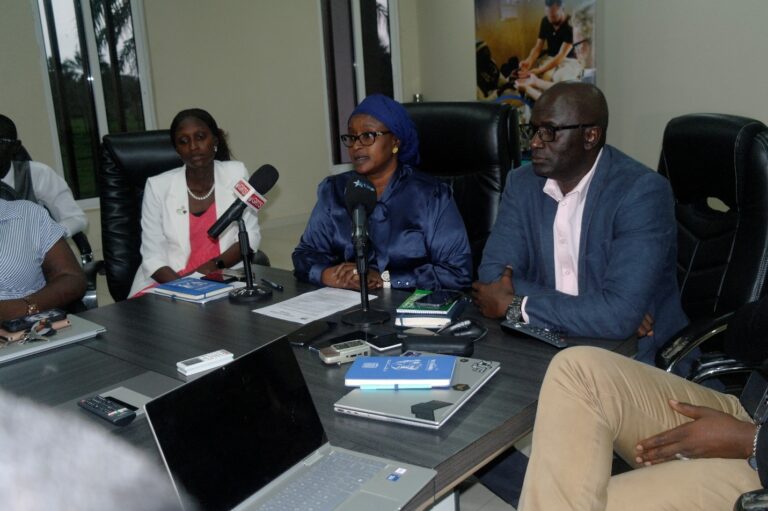
For her part, GTBoard Director General Ida Jeng-Njie said technology was rapidly changing how people discover destinations, plan journeys, experience attractions and share their travel experiences.
She said the GTBoard recognised the need for a stronger digital presence, improved use of data, support for innovation and greater access to digital tools and knowledge for tourism stakeholders.
“In The Gambia, stakeholders are embracing this digital revolution to enhance visitors’ experiences, streamline services and promote sustainable tourism practices,” Jeng-Njie said.
She said AI and other digital solutions could support personalized travel experiences.
About The Author