By Fatou Krubally
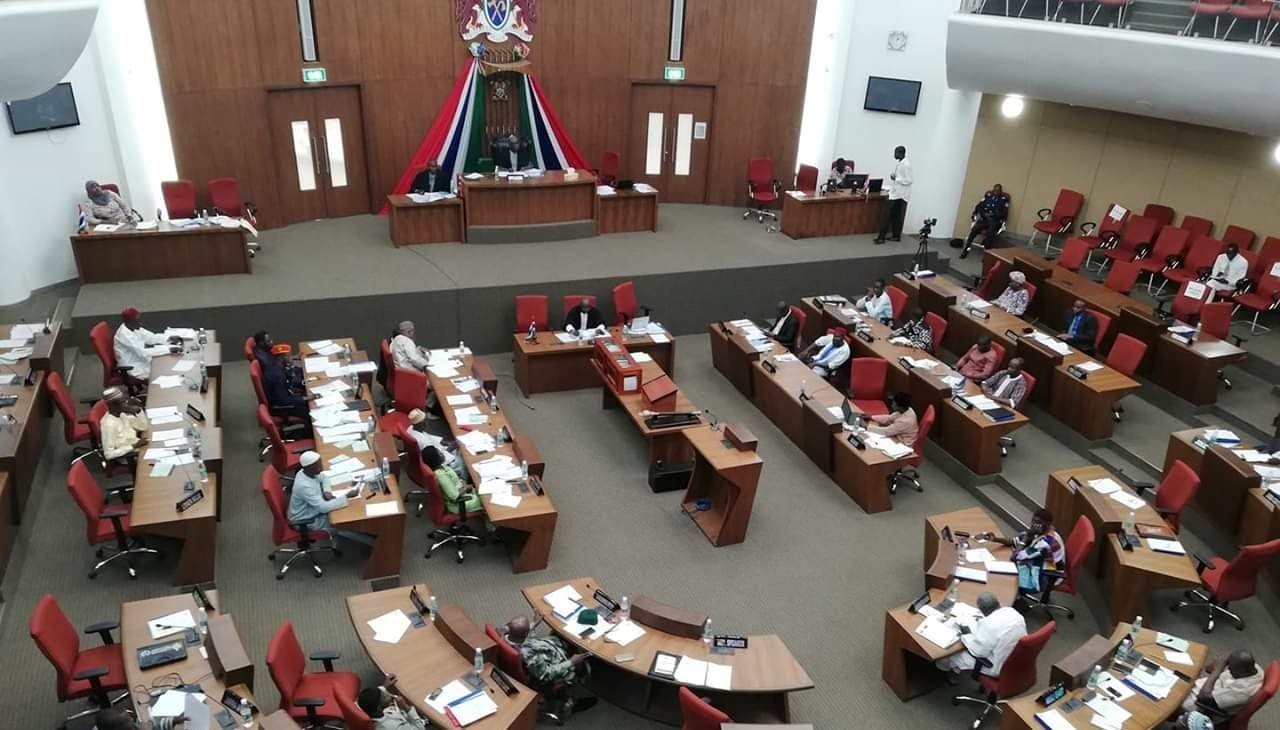
Blind and visually impaired Gambians are set to gain greater access to copyrighted books and other published works following the National Assembly’s unanimous ratification of the ‘Marrakesh Treaty’ on Monday.
The treaty allows copyrighted works to be reproduced, distributed and made available in accessible formats, including Braille, large print and audio, for persons who are blind, visually impaired or otherwise print-disabled.
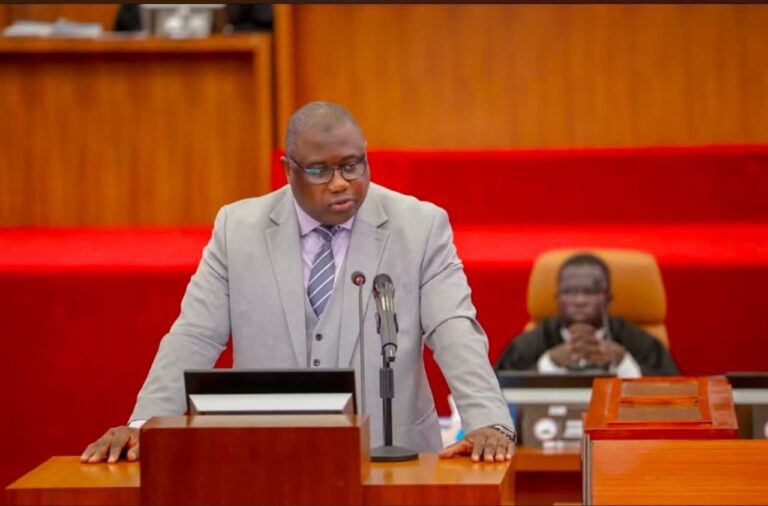
Moving the motion for ratification, Attorney General and Minister for Justice Dawda A. Jallow described the treaty as an important instrument for promoting equality, inclusion and social justice.
He said the treaty would help reduce barriers faced by persons with disabilities in accessing education, information and culture, while promoting their full participation in society.
The ratification received broad support from lawmakers, who stressed the importance of ensuring equal access to educational and other published materials for persons with disabilities.
The Member for Kiang West, however, raised concerns about the implementation of existing legislation relating to persons with disabilities.
He urged the government to ensure that its international commitments are properly incorporated into domestic legislation and effectively implemented.
Other lawmakers called for prompt action following the ratification.
The Member for Brikama North and Minority Leader, Alhagie Darboe, questioned why The Gambia had taken so long to ratify the treaty, noting that it was adopted in 2013 and entered into force in 2016.
He said visually impaired persons should not be denied access to textbooks, research materials, novels and other published works because of their disabilities.
Lawmakers also highlighted the importance of the treaty to education, stressing the need to provide visually impaired persons with appropriate tools and materials to participate fully in society.
Responding to the concerns, Jallow said the government would need to ensure that the treaty was properly incorporated into domestic law.
He said the Intellectual Property Bill currently before the Assembly would be reviewed to determine whether it adequately covers the treaty’s requirements.
The Attorney General also clarified that the copyright exception created under the treaty is intended to facilitate access to published works by visually impaired and print-disabled persons and is not intended to permit the commercial exploitation of copyrighted materials.
Under the treaty, authorised entities may produce and exchange accessible-format copies, including across borders, subject to safeguards intended to ensure that the materials are used by eligible beneficiaries and are not unlawfully redistributed.
The treaty also covers persons whose physical disabilities prevent them from effectively reading printed material or holding and handling books.
The motion was subsequently put to a vote, with lawmakers unanimously voting in favour of ratification.
About The Author