By: Fatou Krubally
African tax administrators and policymakers on Wednesday called for stronger political commitment to domestic revenue mobilisation, saying the continent must rely increasingly on efficient tax systems rather than external aid and borrowing to finance its development.
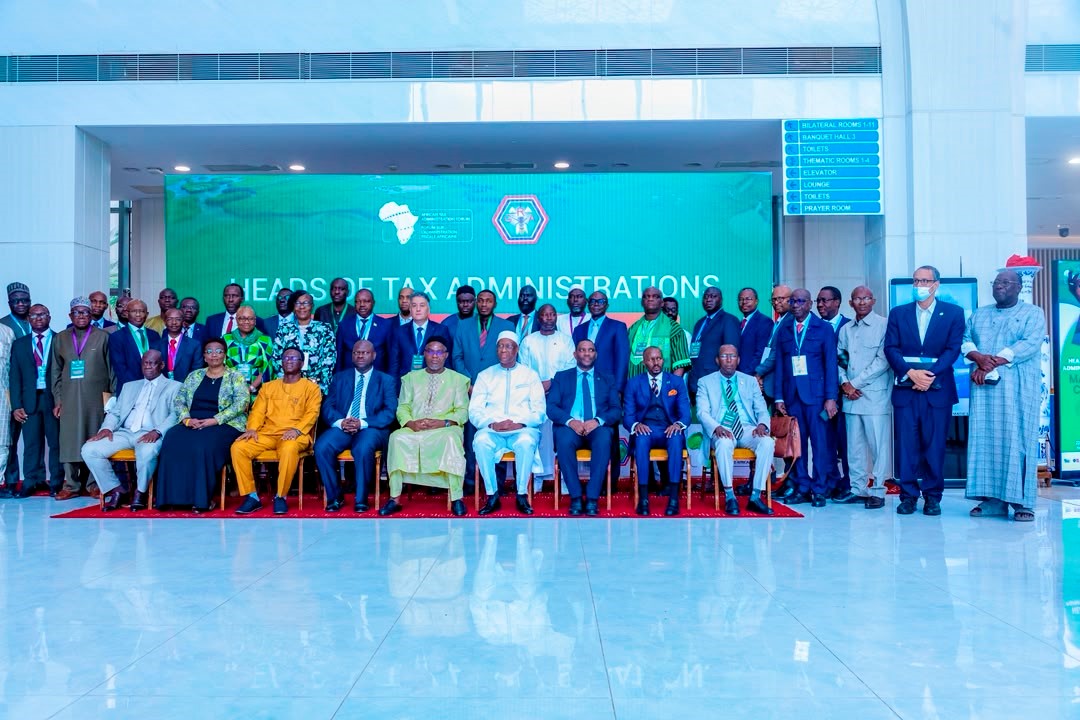
The call was made at the opening of the 7th Heads of Tax Administrations Master Class organized by the African Tax Administration Forum (ATAF) at the Sir Dawda Kairaba Jawara International Conference Centre in Kololi.
Speaking at the opening ceremony, ATAF Executive Secretary Mary Baine said although tax collections in Africa had increased over the past two decades, they had not kept pace with economic growth, with the continent’s average tax-to-GDP ratio remaining at about 15 percent.
She said illicit financial flows continued to deprive African countries of substantial revenues, and stressed that strengthening domestic resource mobilisation was essential for sustainable development.
“The money is not missing; it is uncollected,” Baine said, urging governments to strengthen political support for tax reforms and place revenue administration at the centre of national development strategies.
She noted that improving tax administration through digitalisation, stronger compliance systems and institutional reforms could significantly increase revenue collection without raising tax rates.
ATAF Chairman and Commissioner of the South African Revenue Service, Johnstone Makhubu said domestic resource mobilisation was critical to Africa’s future, describing tax administrators as nation-builders whose work directly influenced economic development.
Drawing on the African philosophy of Ubuntu, he called on revenue authorities to uphold integrity, collaboration and responsible leadership in building resilient tax institutions.
Gambian Minister of Finance and Economic Affairs Seedy Keita said Africa faced declining external development financing amid growing global uncertainty, making stronger domestic revenue mobilisation increasingly important.
“One truth stands above all: Africa must build its fiscal strength to shape its own destiny,” he said.
Keita observed that while OECD countries collect tax revenues equivalent to about 34.5 percent of GDP, most African countries mobilise between 15 and 16 percent.
Using The Gambia as an example, he said the country’s tax-to-GDP ratio had increased from nine percent in 2022 to 13 percent through improved compliance, digitalisation and tax administration reforms rather than higher tax rates.
He said the increased revenue had enabled the government to finance infrastructure projects and support a 60 percent increase in civil service salaries over the past three years.
Officially opening the two-day master class on behalf of President Adama Barrow, Vice-President Mohammed B.S. Jallow delivered the keynote address, highlighting the importance of leadership in strengthening tax administration.
President Barrow said African governments faced growing demands to finance infrastructure, healthcare, education, digital transformation and youth employment while traditional sources of development financing had become increasingly uncertain.
He said The Gambia had prioritised domestic resource mobilisation since 2017 through reforms implemented by the Gambia Revenue Authority (GRA) to modernise tax administration, improve compliance and enhance transparency.
The president commended GRA Commissioner General Yankuba Darboe for leading reforms that had strengthened revenue performance despite implementation challenges.
He stressed that while technology had improved efficiency, effective leadership remained the key driver of successful tax administration.
The master class, held under the theme “Leading for Greatness: Shaping High-Performance Tax Administrations”, has brought together heads of revenue authorities from across Africa to exchange experiences and identify strategies for improving tax administration and expanding domestic resource mobilization.
About The Author