By: Fatou Krubally
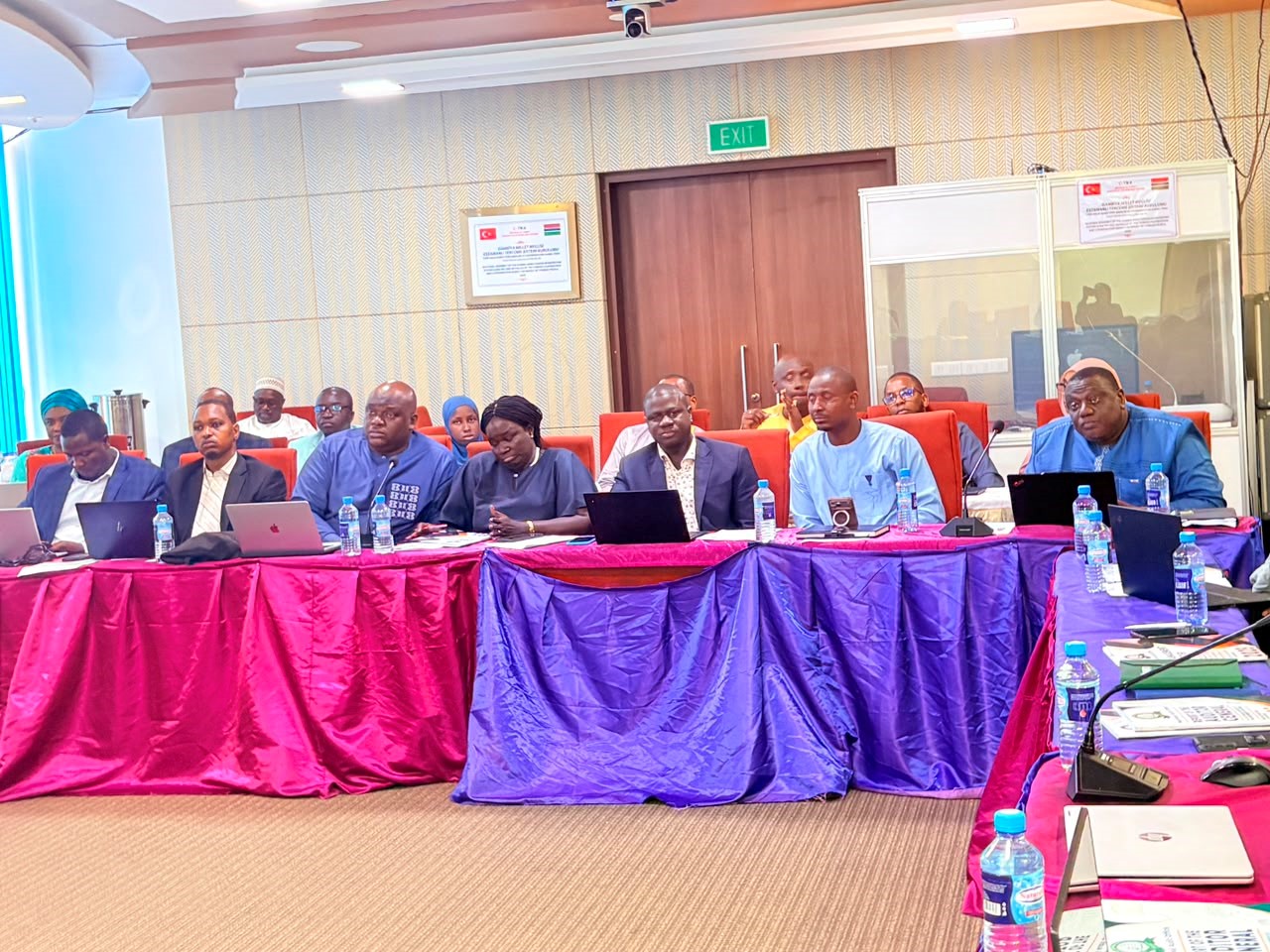
The National Assembly’s Finance and Public Accounts Committee (FPAC) on Monday began reviewing the 2025 Government Accounts, with auditors highlighting billions of dalasis in outstanding obligations and raising concerns over weaknesses in public financial management and expenditure controls.
During the presentation of the accounts by the Accountant General’s Office, lawmakers were informed that the Government of The Gambia had accumulated D8.58 billion in arrears from subscribed capital contributions, with no payments reportedly made since December 2022.
Auditors recommended that the Ministry of Finance, in collaboration with the Attorney General’s Chambers, assess the government’s investment position and develop measures to address the outstanding liabilities.
The audit also raised concerns over expenditure management in several sectors. A review of VDL projects under the Histories and Geology sector found that D62.56 million in expenditure was not supported by ministerial approval and was not included in the Appropriation Bill, contrary to provisions of the Public Finance Act.
Auditors recommended investigations into the spending where the required approvals cannot be provided and called for stronger budgetary controls to prevent unauthorised expenditure.
The report further highlighted concerns over the operations of the Losses Advisory Committee, which auditors said did not hold any meetings in 2025 despite regulations requiring quarterly sessions.
The committee is responsible for reviewing government losses and advising on possible recovery measures or write-offs.
In the fisheries sector, auditors reported that the Department of Fisheries had failed to maintain records on total allowable catch levels and had not fully implemented legal requirements for the registration and licensing of artisanal fishing vessels.
The report also noted outstanding annual licensing fees owed by fish processing and fishmeal factories.
Auditors further questioned the classification of debt servicing payments made to the Islamic Development Bank. They found that of the D112.7 million paid, D63.95 million represented interest payments but were recorded as principal repayments.
Additional concerns were raised over the use of public funds, including the transfer of D329.5 million from the Contingency Fund for expenditures auditors described as routine and predictable, despite the fund being reserved for unforeseen and urgent needs.
The audit report also identified weaknesses in government loan management, including a D582.3 million loan for which auditors said no evidence of a credit risk assessment was provided.
It further highlighted cases where some state-owned enterprises failed to service on-lent loans and submit required financial reports.
FPAC is expected to continue examining the audit findings, with ministries, departments and agencies cited in the report scheduled to appear before the committee to respond to the issues raised by auditors.
About The Author