By: Halal Abdallah
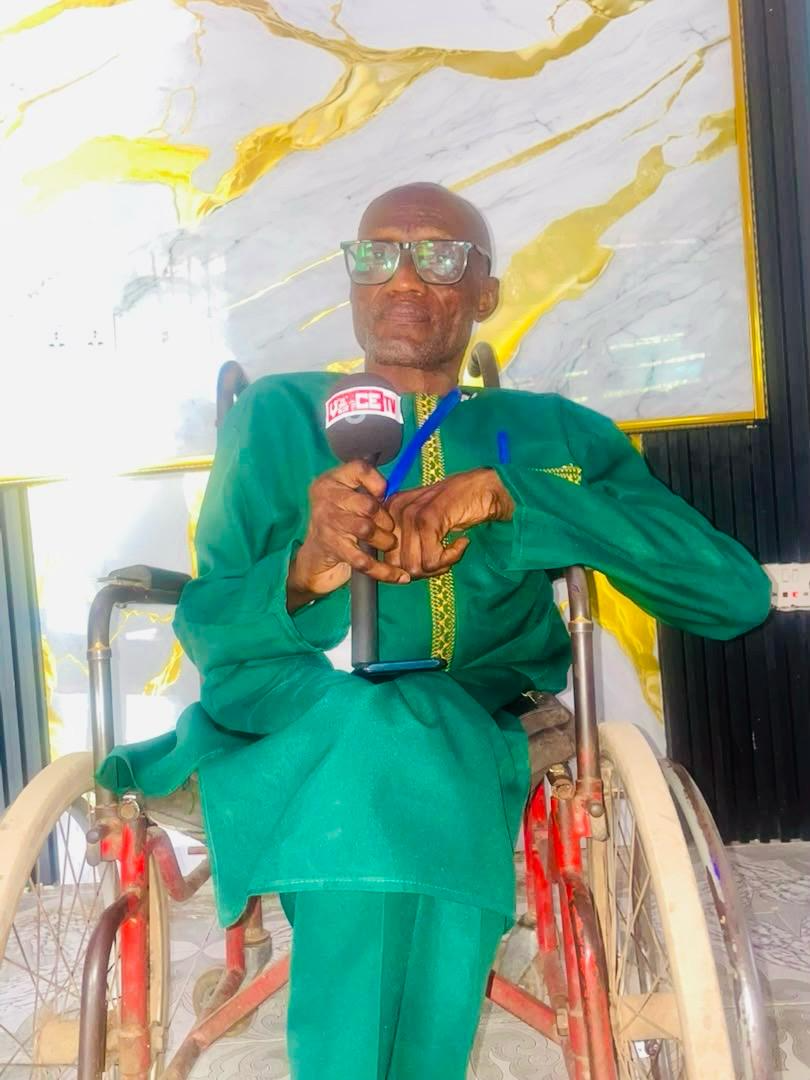
The Chairman and Secretary General of the National Organization for the Disabled and Orphans (NODO), Lamin Manneh, has called on the government to fully implement the Disability Act 2021 and increase support for persons with disabilities across The Gambia.
Speaking in an interview with this medium on Thursday, Manneh said NODO’s work extends beyond serving its members, with the organisation committed to empowering persons with disabilities across Africa through partnerships with organisations in Senegal, Guinea-Bissau and Mali.
He stressed that persons with disabilities should not be neglected and called for their full inclusion in education, healthcare and all sectors of government.
He acknowledged the government’s recognition of NODO since its establishment in 2007 and commended it for enacting the Disability Act in 2021. However, he expressed concern that key provisions of the law have yet to be fully implemented.
According to him, the Act requires that at least 3 percent of public sector jobs be reserved for persons with disabilities. He claimed that, to his knowledge as Chairman and Secretary General of NODO, the provision has not been effectively enforced and that no persons with disabilities have been employed by the government under the quota system.
He also praised the support provided by development partners and non-governmental organisations, including CRS, ChildFund and ActionAid, for their efforts to empower persons with disabilities. At the same time, he urged the government to increase its financial support to disability organisations.
Manneh said the government previously allocated D500,000 to 10 disability organisations, leaving each organisation with D50,000, which he described as inadequate. He noted that NODO alone has about 250 members nationwide, while many other organisations also serve large memberships.
He further alleged that persons with disabilities were not allocated a dedicated budget in 2021 and 2022 until advocacy efforts prompted government action. According to him, the government allocated D4 million for disability-related programmes in both 2024 and 2025.
Despite this, he said many persons with disabilities continue to face challenges in accessing scholarships, employment opportunities and other forms of government support, even though they fulfil their tax obligations like other citizens.
Manneh continued that persons with disabilities continue to face marginalisation and neglect, warning that their situation remains more difficult than that of the general population.
“As Chairman and Secretary General, I remain committed to standing up for the rights of persons with disabilities, whether Gambian or non-Gambian,” he said. “Whenever cases involving persons with disabilities arise, we will ensure they are reported to the appropriate authorities so that action is taken to prevent harassment, discrimination and abuse.”
About The Author