By: Dawda M. Jallow
The Ministry of Higher Education, Research, Science and Technology (MoHERST) on Wednesday convened a validation workshop on the review of the Tertiary and Higher Education Act 2016.
The move was aimed at strengthening the legal and regulatory framework governing tertiary and higher education in The Gambia.
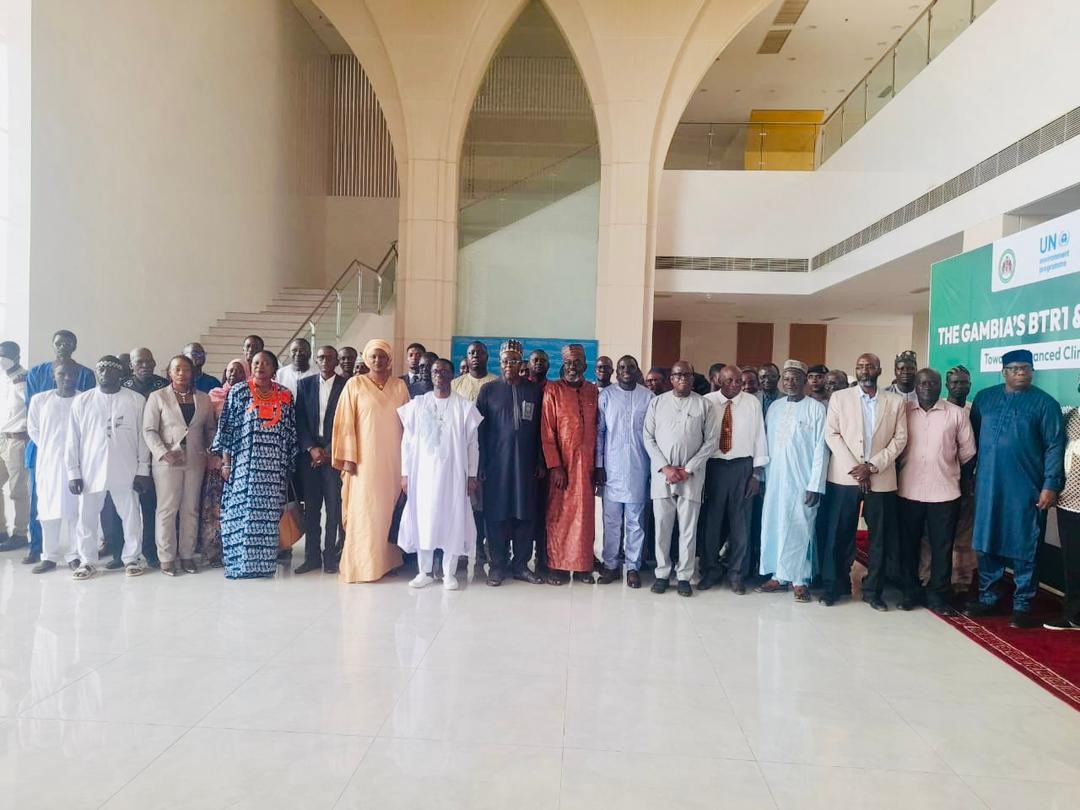
The day-long forum, held at the Sir Dawda Kairaba Jawara International Conference Centre, brought together policymakers, regulators and stakeholders from across the education sector to examine proposed amendments intended to align the law with evolving developments in higher education.
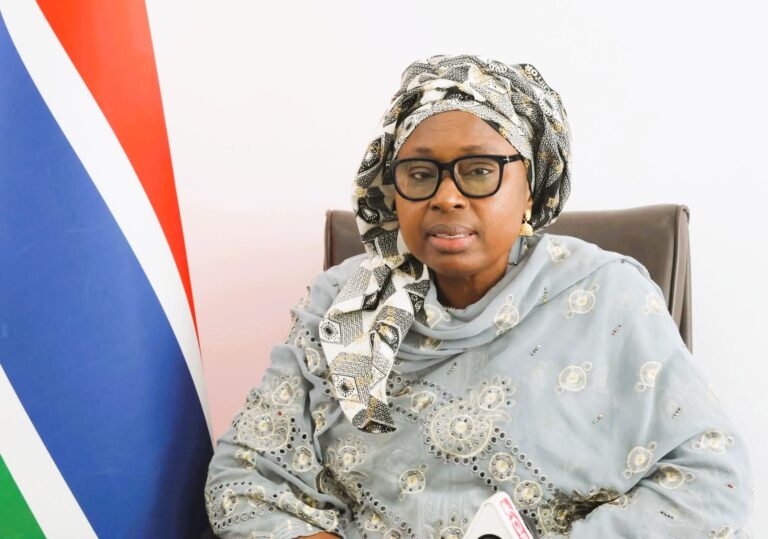
Opening the workshop, Permanent Secretary Isatou Auber said the review was necessary to ensure the legislation remained responsive to emerging governance, institutional and technological realities. She notes that the exercise seeks to enhance accountability, inclusivity and excellence while maintaining consistency with the National Accreditation and Quality Assurance Authority (NAQAA) Act 2021.
Auber urged participants to engage actively in the discussions and contribute their expertise toward developing a more robust legal framework capable of meeting the aspirations of tertiary and higher education institutions across the country.
NAQAA Chief Executive Officer Dr. Momodou Lamin Tarro said the review process was informed by extensive consultations with key stakeholders in the sector. He explains that the proposed amendments seek to strengthen institutional governance, improve regulatory effectiveness, promote transparency and reinforce quality assurance mechanisms in line with international best practices.
“The higher education landscape has changed significantly since the enactment of the Act in 2016,” Dr. Tarro said, citing new modes of learning delivery, technological advancements and evolving quality assurance standards as factors necessitating reform.
He described the validation workshop as a critical stage in the review process, providing stakeholders with an opportunity to scrutinise the proposed amendments and build consensus around a legislative framework that will guide the sector for years to come.
Minister of Higher Education, Research, Science and Technology Professor Pierre Gomez said the rapid expansion of public and private universities has created the need for a more comprehensive and responsive legal framework. He noted that the proposed reforms are intended to harmonise the country’s higher education system with national development goals and international standards.
Among the key amendments highlighted by the minister are the retention of the President as Chancellor of all public universities, restructuring of governing councils to promote inclusivity and expertise, clearer reporting lines for university administrators, and provisions aimed at ensuring fairness and meritocracy in academic appointments and promotions.
Professor Gomez said the proposed changes go beyond administrative adjustments and are designed to create universities and tertiary institutions that are competitive, inclusive and capable of meeting the demands of a rapidly changing global knowledge economy.
About The Author