By: Dawda M. Jallow
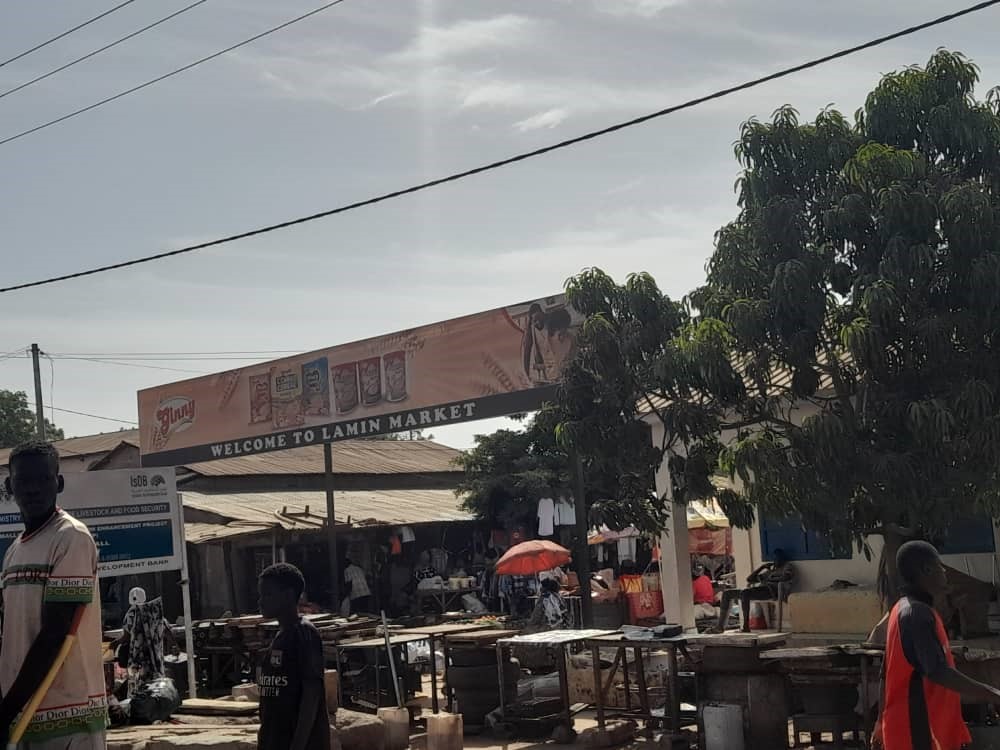
Vendors and customers at Lamin Market have voiced out growing frustration over the country’s economic hardships, with many calling for change ahead of the next presidential election.
Speaking to The Voice Newspaper, several traders and buyers cited the rising cost of living, unemployment, increasing transport fares and the high prices of basic commodities as major concerns affecting their daily lives.
Dawda Badjie, a businessman at the market, said many Gambian families are struggling to survive as economic conditions continue to worsen.
“Only a responsible family member truly understands the hardship people are facing,” he said.
“Everything is now hand-to-mouth and many families can barely afford three meals a day.”
Badjie added that the current economic climate was affecting businesses, noting that traders were finding it difficult to maintain affordable prices while also making profits. He argued that political leadership should prioritise citizens’ survival and welfare.
Another vendor, Yassin Ndow, stressed that agriculture should be given greater attention to tackle hunger and poverty. While acknowledging the importance of road construction and infrastructure projects, she said food security remained the country’s most urgent need.
“Our customers complain about prices every day, but we also buy goods at very high prices,” she explained. “We are struggling to feed our families, pay rent and school fees.”
Cherno Sulayman Jallow, also a businessman, says Gambians are eager for change after years of economic difficulties.
He called on leaders to focus more on good governance, job creation and improve living conditions.
Customers at the market echoed similar sentiments. Ma-Bintou Saidy criticised government spending priorities, urging authorities to invest more in agriculture, healthcare, education and youth employment.
She warned that rising unemployment continued to push many young Gambians towards irregular migration.
Muhammad Jeng, a Senegalese businessman operating at the market, described agriculture as the backbone of development, saying no country can prosper without ensuring food security for its people.
About The Author