By: Cecilia E.L. Mendy
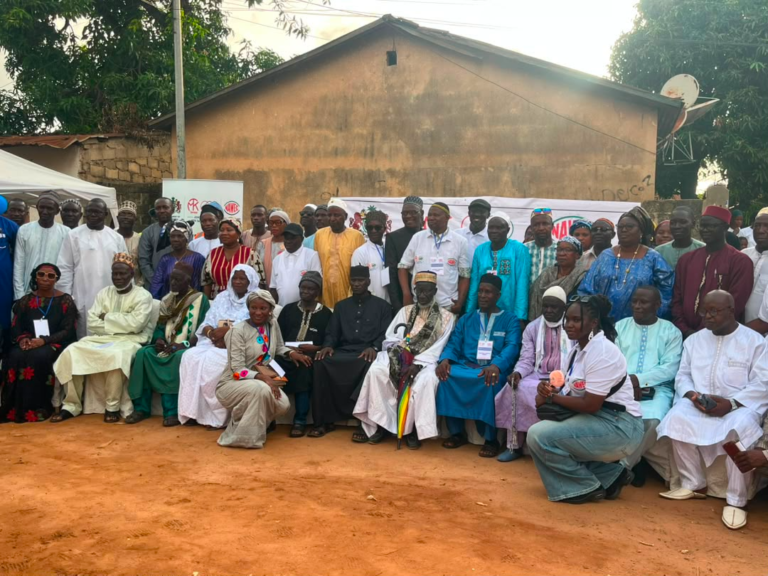
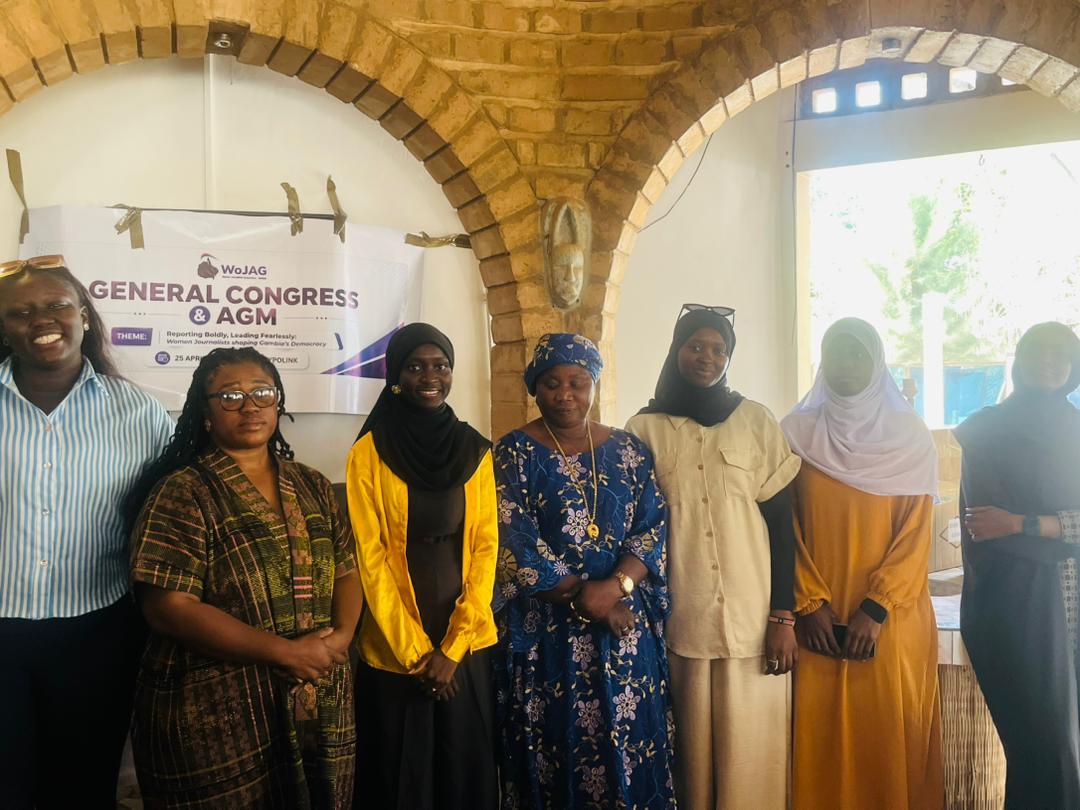
The Women Journalists Association of The Gambia (WoJAG) has elected a new executive to steer the affairs of the association following its Annual General Meeting and congress held on 25 April 2026 at Hypolink.
The congress brought together women journalists and key media stakeholders, with discussions centred on strengthening leadership within the association and advancing advocacy efforts to protect the rights and welfare of female journalists in The Gambia.
Speaking at the event, the Vice President of the Gambia Press Union, Sheriff Saidykhan, commended women journalists for their resilience and professionalism. He noted that they continued to play a critical role in holding power to account and reporting stories that matter to society.
He added that the GPU remained committed to promoting journalistic excellence and gender inclusion in the media. As part of these efforts, he said, the Union partnered with WoJAG in October 2025 to train 21 female journalists on physical and online safety—an initiative aimed at enhancing their security in the line of duty.
Saidykhan further highlighted the GPU’s continued investment in the welfare of women journalists, recognising their contribution to the growth and development of the media sector. He reaffirmed the Union’s commitment to working closely with WoJAG and other partners to strengthen the capacity of female journalists across the country.
During the congress, members elected a new executive to serve a three-year term. Annette Camara was elected President unopposed, while Adama Joof was elected Vice President.
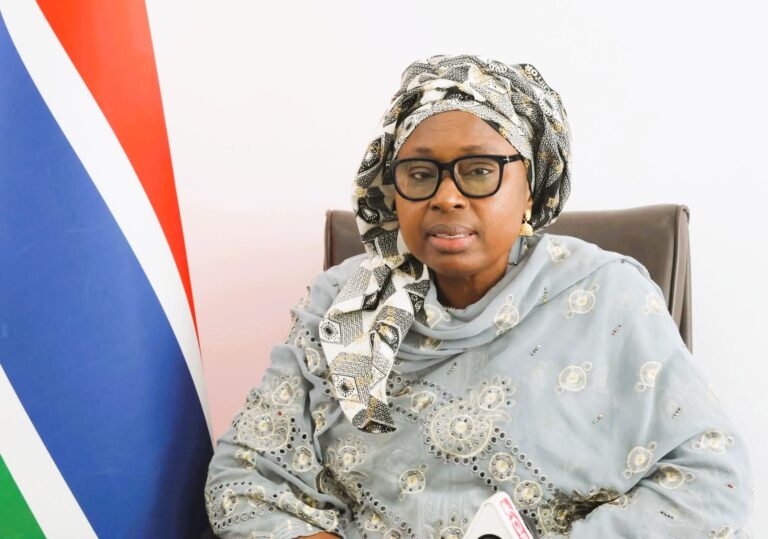
Also speaking at the event, Neneh Macdouall Gaye expressed appreciation for the successful conduct of the congress, stressing the importance of women’s participation in making the media more inclusive and reflective of society.
She noted that women journalists continue to face challenges such as gender-based harassment, online abuse, threats of sexual violence, and intimidation aimed at silencing their voices.
“If women are driven out of journalism or forced to self-censor because of hostility, the public loses important voices and perspectives. A free press depends on diverse participation; without it, coverage becomes narrower and less representative of society,” she said.
She concluded by reaffirming solidarity with women journalists, describing them as courageous writers, reporters, broadcasters and truth-tellers who remain central to a vibrant and democratic media landscape.
About The Author