
By Binta Jaiteh
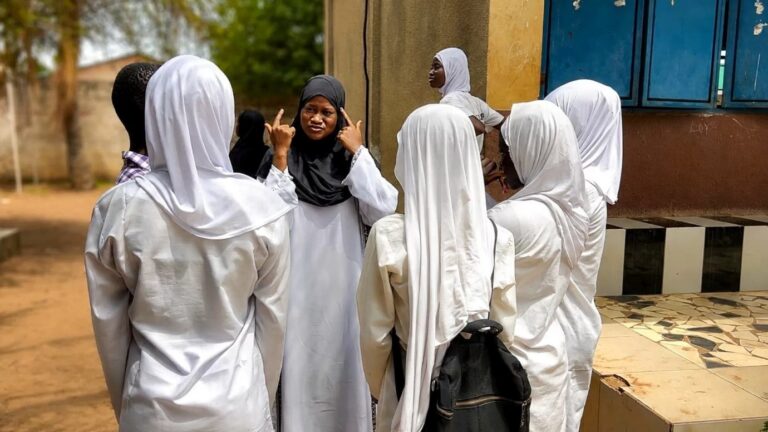
ActionAid The Gambia has engaged youth and opinion leaders in intergenerational dialogues on civic space, aimed at enhancing the participation of women and young people in decision-making processes.
The engagements, held in Essau in the North Bank Region and Mansakonko in the Lower River Region, brought together community stakeholders to discuss barriers hindering the active involvement of youth and women in policymaking.
Speaking at the events, Saikou Darboe, LRP9 Manager at ActionAid The Gambia, underscored the importance of civic education, noting that many citizens lack a clear understanding of civic space.
“There are gaps, and many people do not understand what civic education or civic space entails. We tend to focus only on presidential and parliamentary elections, forgetting that civic education goes beyond that. Citizens should not remain dormant, especially if they aspire to represent others,” he said.
He added that the two-year programme is funded by the UN Peacebuilding Project and is being implemented by ActionAid in collaboration with partners.
Darboe expressed optimism that the initiative would help address barriers limiting youth participation in governance and decision-making.
The Governor of the North Bank Region, Seedy Lamin Bah, described the turnout of youth and women as a sign of hope for a brighter future.
He noted that young people constitute the majority of the population, and empowering them would significantly boost the country’s socio-economic development.
“In terms of governance, the governor’s office is the highest institution in the region, responsible for implementing policies, programmes and projects, as well as improving social conditions and national integration,” he explained.
Landing B. Sanneh, Chairman of the Mansakonko Area Council, called for greater inclusion of youth and women in all sectors of decision-making.
He stressed that the contribution of young people to national development cannot be overemphasised, adding that “anything for the youth without the youth is not for the youth.”
Sanneh reaffirmed the council’s commitment to ensuring that the rights of young people are respected and their voices amplified.
Alhassan Alieu Bah, Alkalo of Mayamba Village in Lower Nuimi District, highlighted the lack of awareness among citizens on civic education and rights.
He commended ActionAid for organising the dialogue, noting that women’s participation in politics is crucial for development, given their significant share of the population.
Participants also shared their perspectives on the challenges facing youth and women.
Nenneh Dukureh praised the initiative as timely and impactful, particularly in addressing youth employment concerns.
Kabiro Dampha, representing Jarra Central, emphasised the role of youth in communities but warned against selecting young leaders based on political affiliation.
Lamin Fadera from Kiang Central raised concerns about leadership structures within Village Development Committees, calling for term limits.
Binta Jarju from Jarra West highlighted gender inequality as a major barrier to women’s participation, noting that societal norms often confine women to domestic roles.
“Women cannot continue to remain on the sidelines. We need to be included in national development. Development cannot be achieved if young women and youth are excluded,” she said.
ActionAid is an international organisation focused on promoting the rights of the poor, including access to health, education, clean water and a decent standard of living. It operates in more than 40 countries worldwide.
About The Author