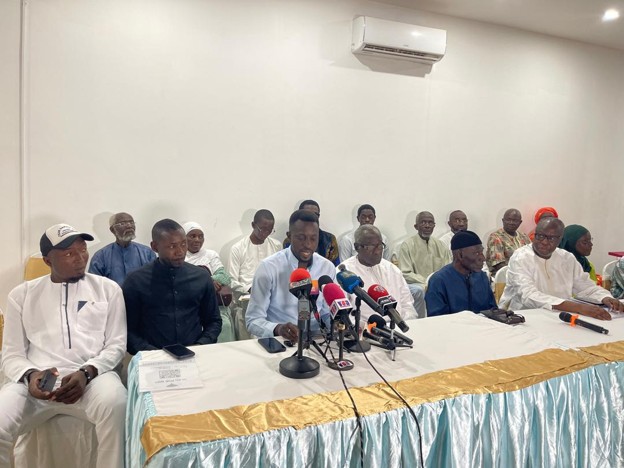
Recent remarks from government officials suggesting that Gambians should question development projects brought by opposition parties have rightly drawn sharp criticism. Mamma Kandeh, leader of the Gambia Democratic Congress (GDC), described such statements as “shameful,” and for good reason. The government’s role is to serve citizens using public resources—not to manufacture political loyalty or discredit opposition-led initiatives.
Kandeh’s reminder is both timely and essential: national development is the responsibility of the state, financed by the taxes and contributions of all Gambians. Opposition parties do not have access to these funds, yet they can play a vital role in shaping policies, highlighting gaps, and offering alternative solutions. To suggest otherwise undermines democratic principles and erodes public trust in governance.
Equally concerning are claims that current leadership is failing to manage national assets efficiently, as alleged in Kandeh’s critique of the handling of former President Yahya Jammeh’s properties. Transparency, accountability, and competence are not partisan luxuries—they are fundamental obligations of any government. Citizens deserve policies and initiatives that prioritize their welfare, not political point-scoring.
The upcoming December 2026 elections will be a critical moment for Gambians to evaluate leadership based on performance rather than party loyalty. The focus should remain on real issues: healthcare, education, employment, and rural development. Kandeh’s call for issue-based politics resonates in this context, and it is a reminder that personal attacks and partisan rhetoric only distract from genuine progress.
Moreover, the recent defection of over 300 supporters from the ruling National People’s Party to the GDC reflects a broader sentiment: Gambians are increasingly seeking solutions that address corruption, insecurity, and social services. This shift underscores the importance of listening to citizens’ needs and prioritizing development over politics.
Ultimately, the government must recognize that its legitimacy rests on service, fairness, and results. Citizens should not be asked to question development simply because it comes from the opposition. Progress in The Gambia requires unity, accountability, and a shared commitment to the nation’s future—beyond party lines.
About The Author