By Arret Jatta
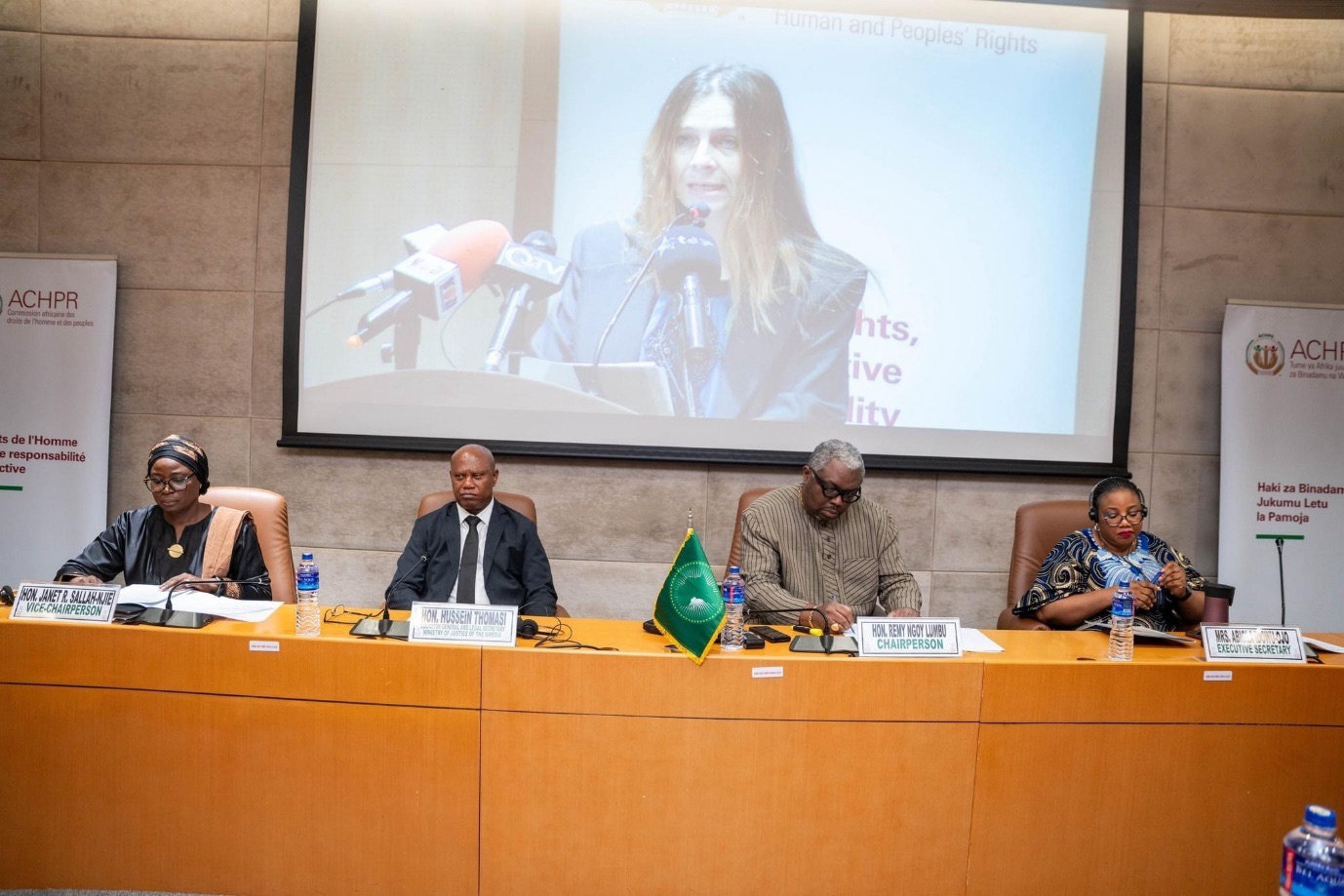
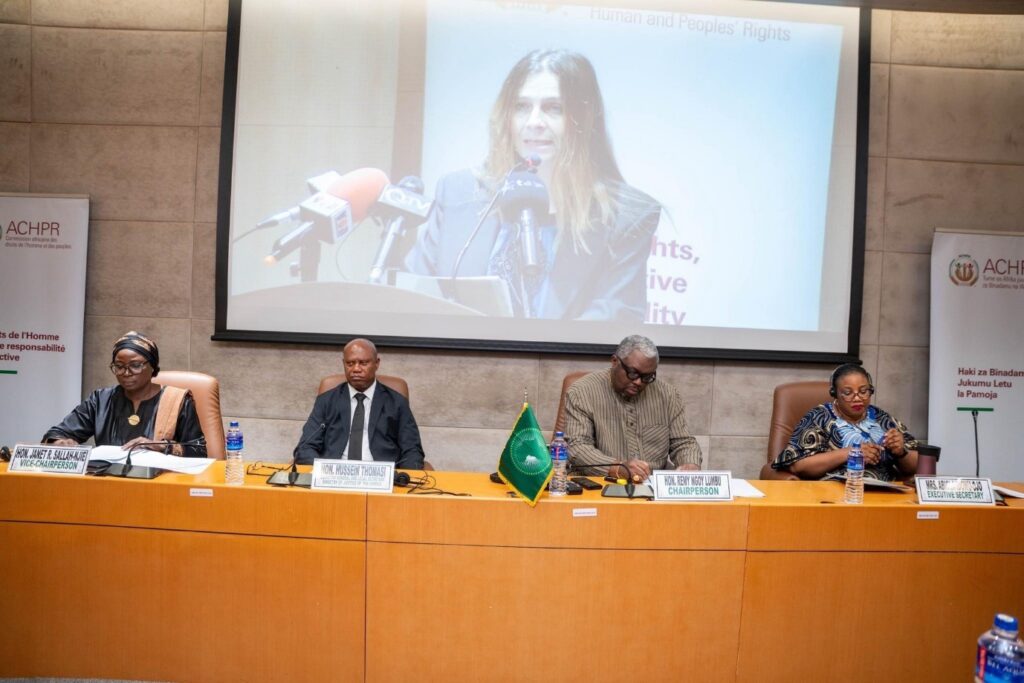
The African Commission on Human and People’s Rights (ACHPR), on Wednesday, 6th November, officially closed its 81st Ordinary Session held in Banjul at the Sir Dawda Kairaba Jawara International Conference Center, Bijilo
The chairperson of the commission MrRemy Ngoy Lumbu said during their sessions, recommendations also were made.
“Vis-a-vis States and other stakeholders, the recommendations which we make can only be relevant if we make collective endeavor together and follow up on these recommendations because we hope that they would follow otherwise, 40 years from now, we will not have done anything if we
don’t implement the recommendations,” he urged them.
He also highlighted that more important issues were discussed in their private session.
“Several more important themes which could not be discussed in the public session were thoroughly discussed by the Commissioners and several decisions and forms of recommendations were adopted in terms of the themes as well as in terms of communication as indicated in our final communique,” he noted.
He disclosed that they will organize a two-day colloquium on the AU theme of the Year ‘Educating African fit for the 21st century’ and building a resilient education system for increased access to inclusive, sustainable quality and relevant learning in Africa.
“If we love Africa then we have to provide wealthy education to the Youth of Africa,” he stated further.
Solicitor General of the Republic of The Gambia, Hussain Thomasi who presided over the closing of the session also noted that education stands as the cornerstone of human rights, enhancing dignity, equality, and opportunity for all.
“As we have discussed during the sessions, it is essential for the economic and social transformation of Africa our commitment to ensuring that every child has access to quality education irrespective of background,” he challenged.
He added that Africa as a continent faced challenges such as access to quality education, unemployment poverty, and the like.
However, he noted that education should be prioritized as a means to empower their citizens with the necessary skills to navigate these challenges while noting that the government of The Gambia is deeply committed to the principles of Human Rights.
About The Author