
By Momodou Bah
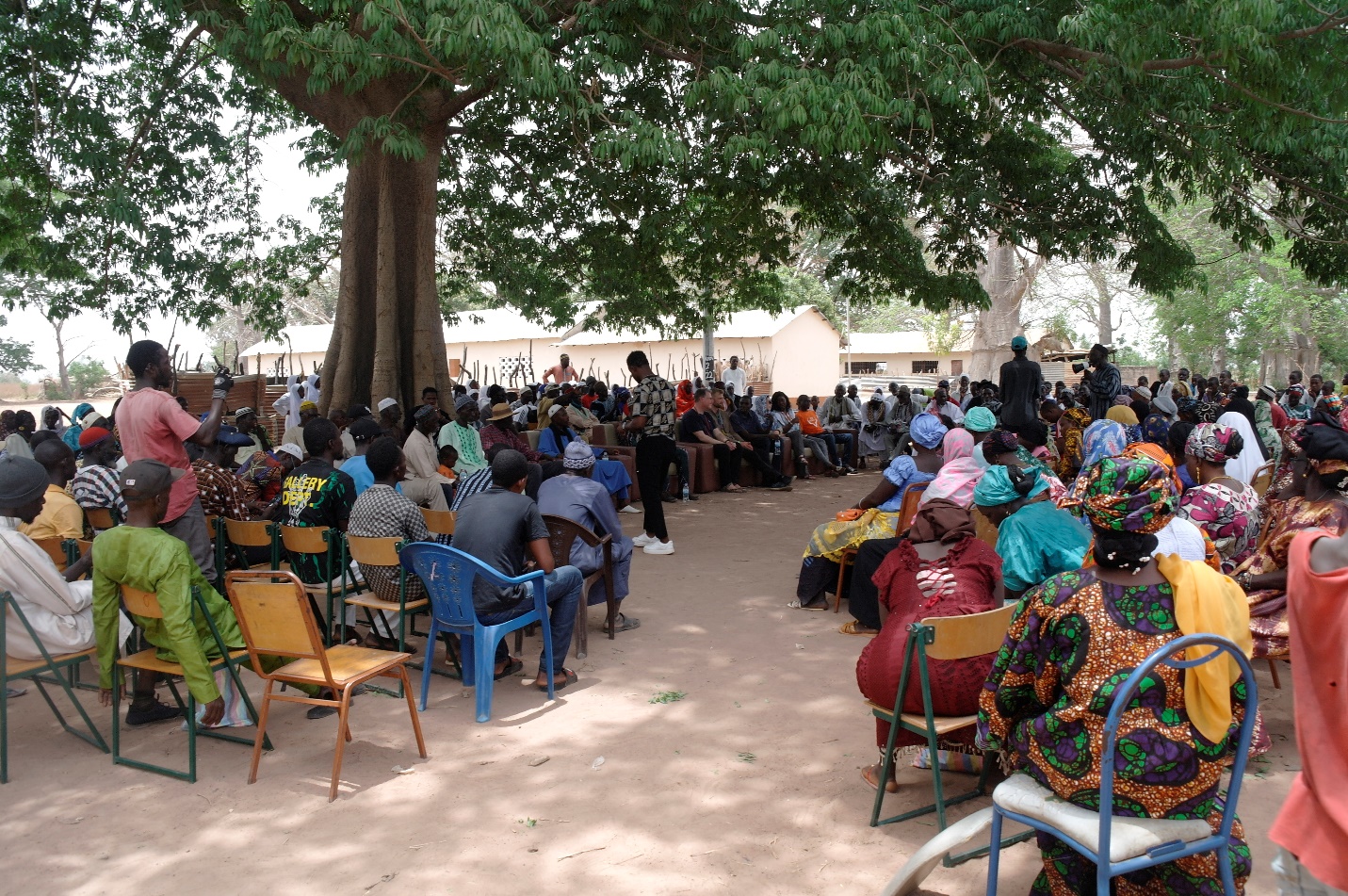
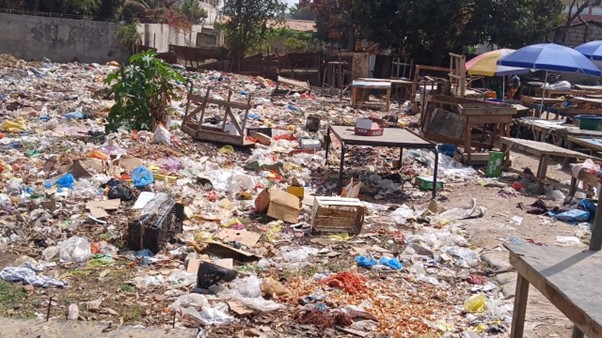
Vendors at Tanji Market in the West Coast Region have raised concerns over the lack of proper market structures and poor waste management, warning that the situation is turning the market into a dumping site.
According to the president of the Tanji Market Committee, Aja Susso, the main challenges facing vendors are the absence of proper market infrastructure and the lack of an organized waste collection system.
Susso says waste generated at the market is not collected by authorities, forcing vendors to pay wheelbarrow operators to remove the rubbish.
“They either dump the waste within the market or dispose of it at the seaside,” she said, adding that there are no dustbin containers or waste collection trucks serving the market.
Despite the situation, vendors continue to pay daily dues and taxes to revenue collectors from the Brikama Area Council, she noted.
Susso added that vendors sometimes face confrontations with police officers for selling along the highway, particularly during the rainy season.
She further explained that vendors pay about 5,000 dalasis in revenue per canteen to the Gambia Revenue Authority, in addition to daily council dues and about 75 dalasis per bag for waste collection.
The assistant organizer of the Tanji Market Committee, Mariama Conteh, said a market where people buy and sell food items should not be left in such poor sanitary conditions.
She questions the health implications of the situation, saying it is unsafe for people to trade and purchase food in an environment filled with unmanaged waste.
Conteh said the Brikama Area Council had promised since October last year to rehabilitate the market and provide dustbin containers, but the promises have not yet been fulfilled.
“The lack of dustbin containers and waste collection only encourages illegal dumping in public areas and in the sea,” she said, urging the council to honour its commitments.
The Alkalo (village head) of Tanji, Lamin Bojang, said community leaders have already identified land for the construction of a proper market structure.
He explained that authorities are now waiting for the Brikama Area Council to construct the market so that vendors currently operating at the fish landing site can relocate to the new facility.
Bojang appealed to the council to urgently intervene by constructing the market and ensuring regular waste collection.
Another member of the Tanji Market Committee, Amie Saine, also highlighted the absence of adequate infrastructure and waste management systems in the market.
She says Tanji is a major commercial centre that attracts customers from different areas who come to buy fish and other food items.
According to Saine, the committee has repeatedly engaged the Brikama Area Council and councillors from Sanyang Ward on the waste management challenges, but no concrete action has been taken.
She accused the council of focusing on revenue collection from the market while neglecting the welfare of vendors.
“The market was allocated to the women of Tanji to promote their development, not to turn it into a dumping site,” Saine said, stressing the need for proper infrastructure to support women traders in Kombo South.
The chairman of the Tanji Village Development Committee, Ebrima S. Jallow, said the absence of waste collection services has contributed to illegal dumping in public spaces within Tanji and along the coastline.
He urged the Brikama Area Council to begin regular waste collection in the market, describing it as a core responsibility of the council.
Attempts to obtain comments from the councillor for Sanyang Ward were unsuccessful as he declined several phone calls. Further efforts will be made to get his response in subsequent reports.