

By Yunus S Saliu
Cultural stakeholders in The Gambia on Monday validated the elaboration of a nomination file seeking international protection for palm wine tapping, in a move aimed at safeguarding a practice deeply rooted in community life.
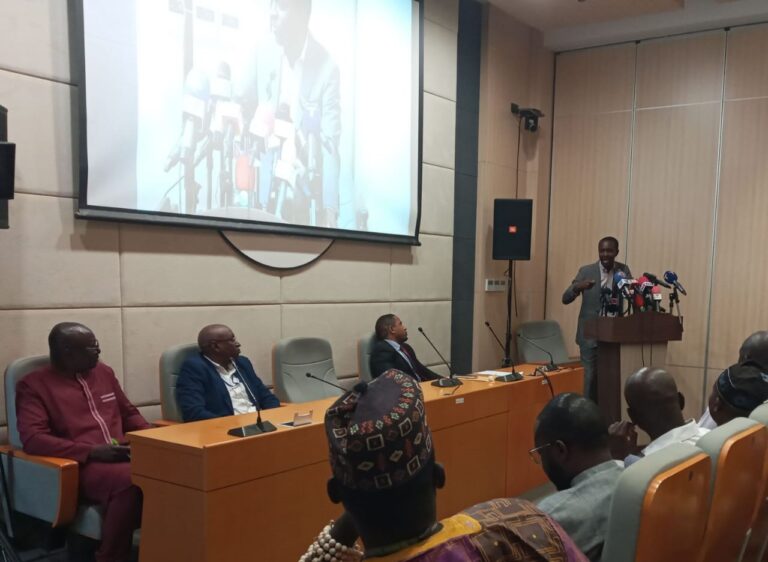
The validation workshop, organised by the National Centre for Arts and Culture (NCAC) with support from UNESCO, was held at the NCAC RDD Annex in Fajara.
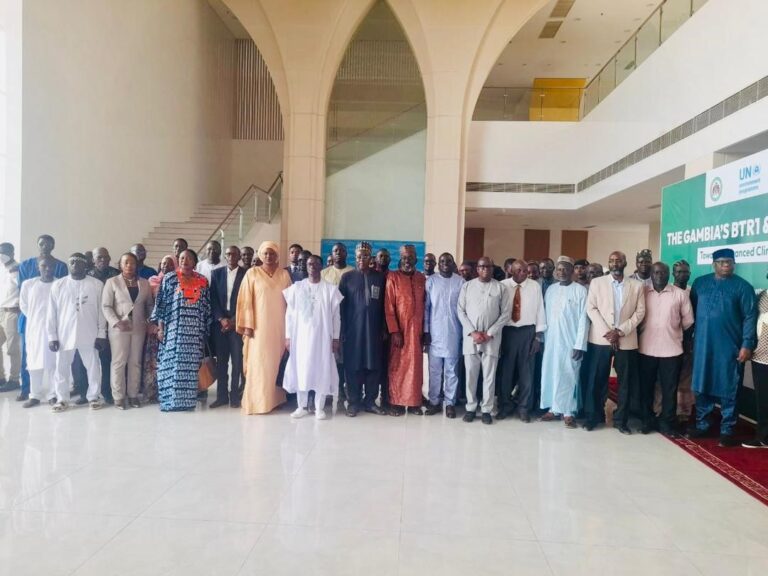
It brought together palm wine tappers from various communities, Intangible Cultural Heritage (ICH) facilitators, representatives of the National Commission for UNESCO, the Ministry of Tourism, Arts and Culture, the Gambia Tourism and Hospitality Institute, academics and other stakeholders.
Opening the session on behalf of the NCAC Director General, Senior Regional Cultural Officer Demba Y. Baldeh highlighted the national importance of the palm tree, describing it as a symbol embedded in The Gambia’s heritage and economy.
He said beyond palm wine production, every part of the tree supports livelihoods, including roofing materials, oils, medicinal and domestic uses. He warned that deforestation and bush fires are threatening palm tree populations in several communities, underscoring the urgency of safeguarding measures.
Delivering a keynote overview, NCAC Director of Literature, Arts and Performing, and ICH Focal Person, Sanna Jarjou, said the validation marked the culmination of work that began in August 2025 to prepare the nomination file.
He said broader documentation of The Gambia’s intangible cultural heritage began in 2021 following the COVID-19 pandemic, resulting in the inventorying of 30 cultural elements nationwide.
Jarjou explained that palm wine tapping is being proposed for inscription on UNESCO’s Urgent Safeguarding List, which is reserved for traditions at risk of disappearing.
He said research teams visited communities in the Upper River, Central River, North Bank, West Coast and Foni regions to document how the practice is preserved and transmitted.
According to him, the nomination process is community-driven and guided by free, prior and informed consent to ensure practitioners shape the safeguarding plans.
He noted that although tapping is traditionally male-dominated, women play supporting roles in processing and social functions associated with palm wine.
Custodians also documented the cultural, social and customary significance of the drink, reinforcing the case for urgent safeguarding, he added.
Also speaking, Senior Programme Officer of the National Commission for UNESCO, Sanna Jarjou, described the workshop as the outcome of years of collaboration between cultural institutions and communities.
He said identifying and safeguarding living heritage strengthens national identity and social cohesion.
According to him, palm wine tapping represents more than a beverage tradition, serving as a platform for dialogue, community bonding and livelihood creation.
He linked palm tree conservation to sustainable development, noting its contribution to food security and agricultural productivity, and commended the NCAC for advancing UNESCO cultural conventions.
Participants reviewed proposed safeguarding measures and budget frameworks aimed at sustaining the practice over the next four years, in line with UNESCO guidelines.
Community representatives were encouraged to contribute ideas and commitments, including orchard development initiatives to protect palm tree resources.
Stakeholders agreed that safeguarding palm wine tapping is both a cultural responsibility and an economic opportunity.
The validated nomination will now be refined for submission, positioning The Gambia to seek international recognition while strengthening community stewardship of the practice.
The workshop also featured presentations and the screening of a short high-definition documentary on palm wine tapping.
About the Author