

By Fatou Krubally
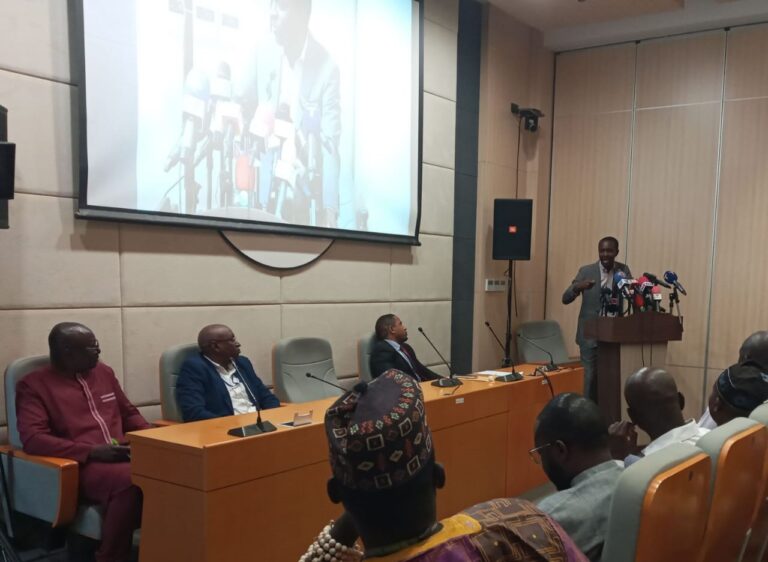
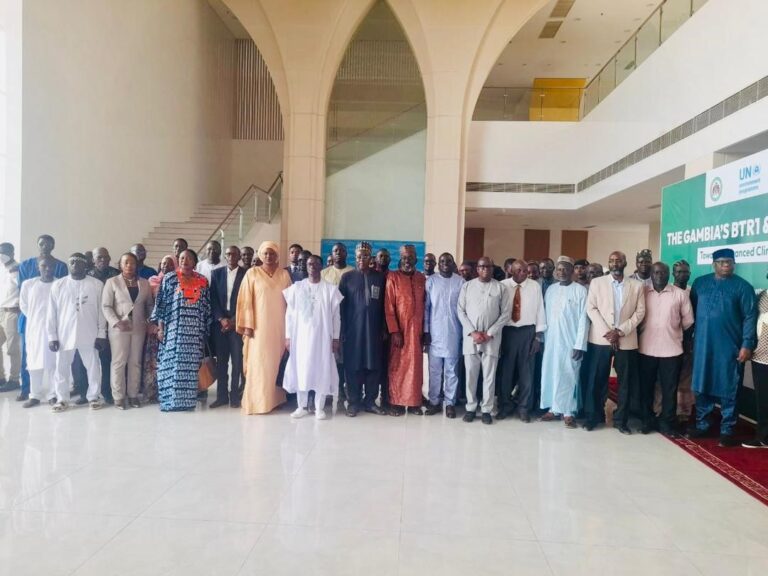
The Ministry of Basic and Secondary Education (MoBSE) hosted a two-day media orientation on Thursday and Friday to deepen journalists’ understanding of the ongoing foundational learning reforms under the World Bank–funded RISE Project.
The sessions brought together communication officers, curriculum experts, education partners, and journalists from various media outlets, aiming to promote accurate reporting and raise public awareness about the program, which seeks to improve literacy and numeracy outcomes at the early grade level.
Speaking at the opening, MoBSE Communication Officer Saidou Jallow emphasized the importance of the media as “critical partners in information dissemination.” He announced plans to establish a dedicated WhatsApp platform for journalists to facilitate continuous engagement with the Ministry.
In her keynote address, Head of the Communications Unit, Madam Amie Kah, outlined the Ministry’s reforms targeting stronger foundational learning outcomes.
“If the foundation of anything is good, the outcome will obviously be good,” she said, citing research showing that children learn more effectively when early literacy and numeracy are taught in the national languages spoken at home.
Madam Kah stressed that the success of the initiative depends on public understanding and parental support, highlighting the media’s role in reaching those unable to attend community or PTA meetings. “The media is the vehicle for transmitting information. Not everyone will attend meetings, but they will watch TV, listen to the radio, or read newspapers,” she said.
Omar Jarjusey, National Programme Coordinator of EFANet, speaking on behalf of education partners, called on journalists to help escalate awareness in communities. He described the program as a structured pedagogy using seven national languages as mediums of instruction from Early Childhood Development (ECD) to Grade 3, aimed at reducing learning poverty.
Learning poverty exists when children are unable to read with proficiency at the right age. The Ministry is committed to reversing this trend,” Jarjusey said.
Momodou Jeng, Director of Curriculum, provided an overview of the policy framework underpinning the reforms, citing the 2023 Language Policy and a recent language mapping exercise. He stressed that early grade learning forms the foundation for future academic success.
“Research shows that if children get it wrong at the foundational level, they spend the rest of their schooling trying to catch up. We need competent future scientists, engineers, and producers, and that begins with literacy and numeracy from ECD to Grade 4,” Jeng said. He encouraged journalists to engage deeply with the materials, visit classrooms, and report based on evidence.
The orientation program featured presentations on the RISE Project, national language mapping, data-driven reporting, equity and inclusion, story framing around teachers, parents, learners, and communities, school field visits piloting national-language instruction, and visual and multimedia reporting guidelines.
The training is expected to enhance public understanding, strengthen community support, and bolster MoBSE’s nationwide rollout of foundational learning reforms.
About the Author