

By Binta Jaiteh
Q&A WITH BUSUMBALA LAWMAKER, HON. MUHAMMED KANTEH
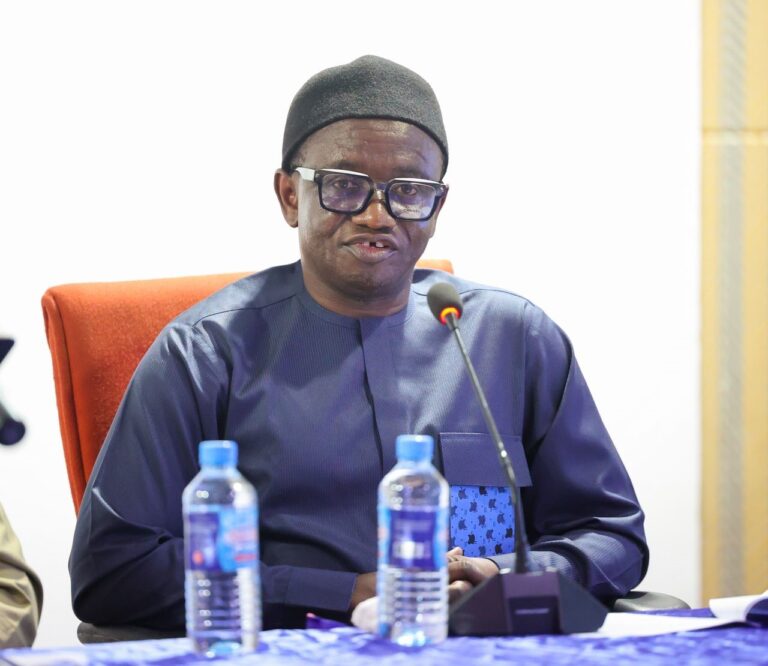
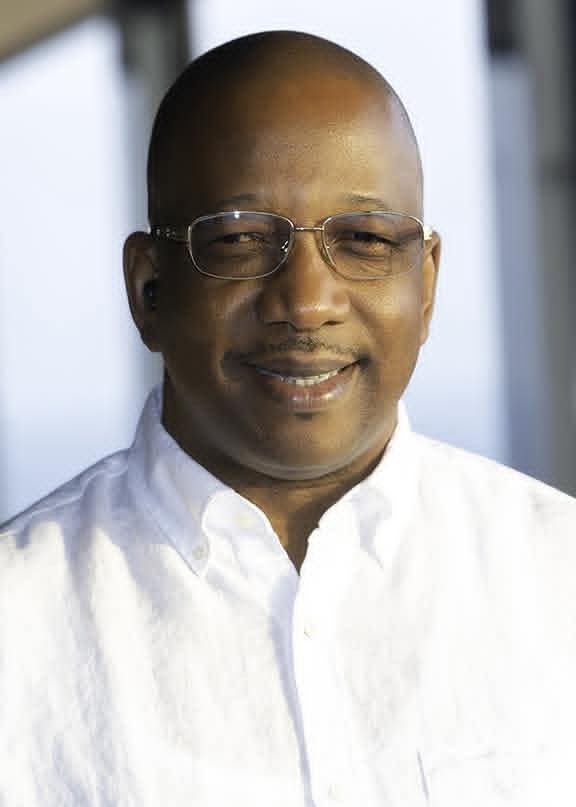
In this maiden edition of Guest of the Week, our reporter held an exclusive interview with Hon. Muhammed Kanteh, National Assembly Member for Busumbala. Kanteh, an independent member elected in 2022, was a lawyer and former Chief Superintendent of Police. He discussed governance issues, crime, the economy, state-owned enterprises, politics and national issues in the Gambia.
Q: As a former police officer, how do you rate the current democratic system?
A: We have transitioned into a basic democracy. Compared to the period before the 2016 elections, the atmosphere is better. People can express opinions freely, court hearings occur without fear or favour, and institutions operate with greater openness.
Q: How would you assess the current crime rate?
A: It has improved. If someone commits a crime, the police pursue them and they face court. The processes usually lead to conviction, which shows the system still works.
Q: What is your assessment of the economy?
A: Our debt level is alarming. We now have about D139 billion in debt while the 2026 national budget estimate stands at about D36 billion. Production levels cannot sustain this debt. Government is spending more on debt servicing than on key sectors such as agriculture, education and health, which is hindering national development.
Q: Debt servicing keeps increasing. As a lawmaker, is this a failure of Parliament?
A: Parliament is divided into majority and minority blocs. Unfortunately, the majority caucus supports government positions, including loan approvals. Even though we know the economic implications, the executive dominates parliamentary decisions whenever it commands a simple majority.
Q: Gamtel and Gamcel continue to underperform. What is your view?
A: It reflects weaknesses in government policy and parliamentary oversight. The SOE Committee works with government, but the privatisation of the gateway contributed to their decline. Gamtel once generated substantial revenue and supported community development initiatives, but that vibrancy has since faded.
Q: Many new political parties and movements have registered ahead of the 2026 elections. Your reaction?
A: It is a constitutional right for anyone of full capacity to participate. Many groups aim to contest, while others may be seeking coalitions or recognition for personal gain. Regardless, people have the right to run for office.

Q: Reports indicate foreign trawlers using Gambian flags are affecting local fishing communities. Is Parliament aware?
A: Yes, Parliament is aware. Our role is to make laws, but enforcement lies with the executive. We have regulations for fisheries, but implementation and enforcement—by the police, the Fisheries Ministry and the Navy—remain weak.
Q: The President recently accused you of neglecting your constituency. How do you respond?
A: It reflects a lack of awareness on his part. My primary responsibility is lawmaking and representation. At that time, I was in Parliament scrutinising the budget to secure better allocations for my people. I avoid personal attacks. I respect the President and want him to focus on national development. My constituents know my work and continue to support me.
Q: How do you assess the legal sector today?
A: When I served as a police prosecutor 10–15 years ago, there were very few lawyers. Today, there is a mass production of lawyers, including international students coming through the Gambia Law School. The profession has expanded significantly.
Q: What is your comment on the Chief Justice’s claim of a shortage of lawyers?
A: The law school is producing competent graduates. To retain lawyers in public service, salaries must be improved. The Judiciary should manage its manpower effectively and deploy lawyers to areas where they are most needed.
Q: Why has the stadium rehabilitation project stalled for nearly two years?
A: Parliament is actively engaging the Ministry of Sports. During the recent question-and-answer session, we raised queries flagged in audit reports. The Minister explained that the previous contractor was not showing up, prompting the deployment of a new one. Similar arrangements have been made for works in Bwiam, Janjanbureh and the Mboyo Field in Bundung.
About the Author