
By: Haruna Kuyateh
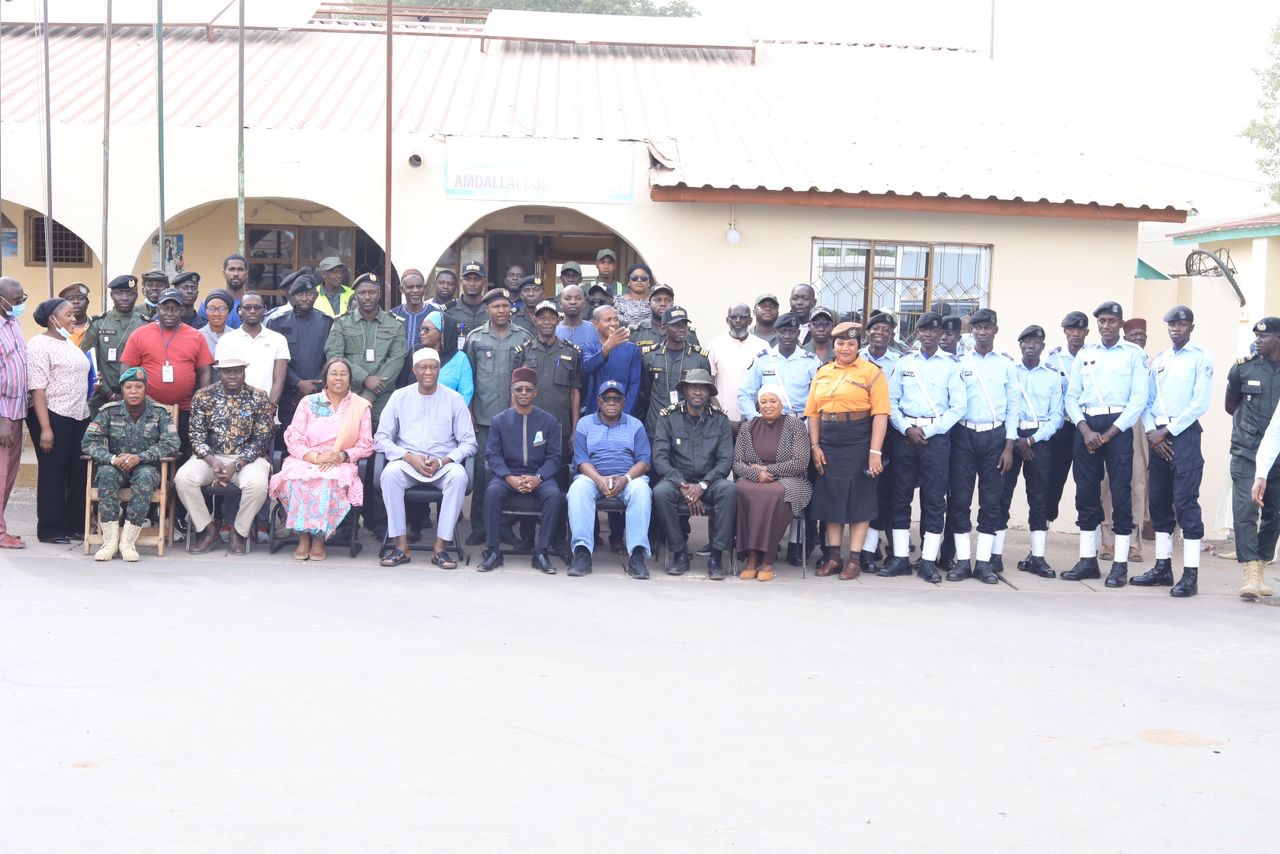
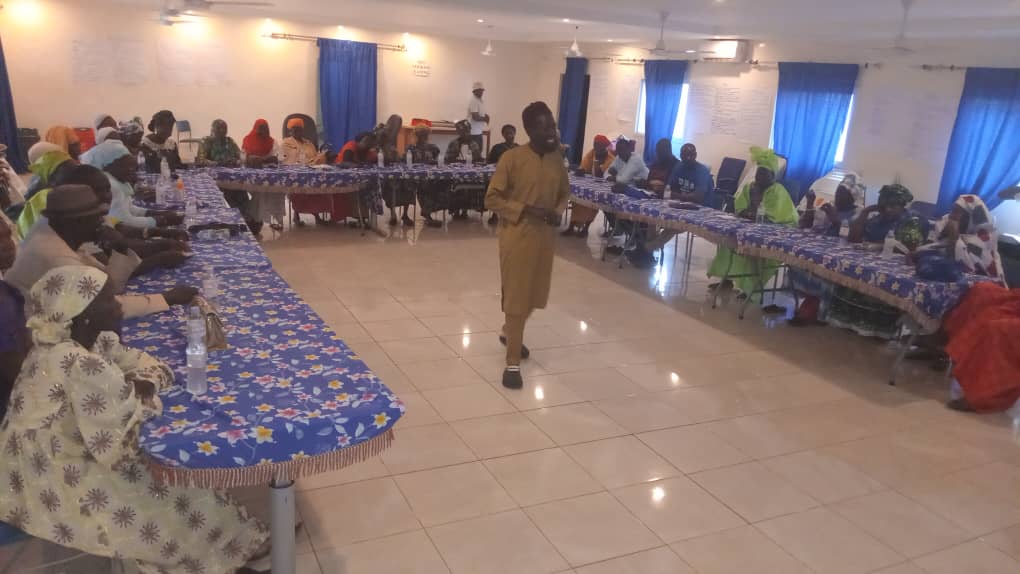
Two-day training for 40 vegetable producers and processors in Jarra Soma, Lower River Region, recently concluded.
The initiative was aimed at equipping participants with the knowledge and skills required to access the tourism market, promote sustainability, and improve livelihoods.
The International Trade Centre (ITC), through the EU-funded Youth Empowerment Project (YEP) in collaboration with the ROOTS Project organised the training.
According to ITC’s Horticulture Market Linkage Consultant, Mamud Touray, the training was crucial in linking farmers and processors to new opportunities. He explained that the sessions focused on industry quality standards, grading systems, food safety regulations, and networking and negotiation skills. “This will enable producers to supply standard, quality vegetables that meet the demands of the tourism sector,” he said.
Touray further highlighted the importance of food safety regulations and certification, describing them as essential components for market access. He stressed that producers must understand and adopt practices that ensure their products are save, wholesome, and consistent with industry standards. He also encouraged participants to strengthen their networking and negotiation capacity to build lasting relationships with buyers and secure better contract agreements.
“The market linkage initiative is designed to create opportunities for participants to connect with potential buyers in the tourism sector and to foster collaboration among producers and processors to strengthen their market presence,” Touray added.
The training also featured contributions from the Food Safety and Quality Authority (FSQA). Bubacarr J. Njie, Food Inspector at the FSQA Farafenni branch, explained that the authority was established under the Food Safety and Quality Act 2011 to regulate the safety and quality of food and feed throughout the value chain. He emphasized that responsibility for food safety lies with Food Business Operators, who must ensure products are produced under hygienic conditions. He added that businesses are required to have procedures in place to track and recall contaminated products from the market.
Participants expressed appreciation for the training, saying it has broadened their knowledge of food safety, quality standards, and market linkages. Marie Jobe from Njawara, North Bank Region, and Aji Yama Njie from Nyegen, Central River Region, said they now understand better the role of FSQA and called on vegetable growers to adopt practices such as staggering production and using weighing scales to improve incomes.
The training concluded with a call on farmers to apply the lessons learned, share experiences with others, and continue building networks that would strengthen their competitiveness in the tourism supply chain.