

By: Yunus S. Saliu
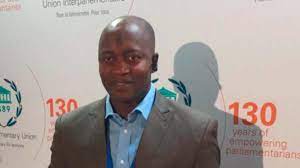
Dr. Ousman Gajigo, a renowned Gambian economist and public finance expert has sharply reacted to the recent removal of Auditor General saying: “this is a direct attack on accountability.”
The government removed Modou Ceesay as auditor general and offered him a ministerial position which he rejected and this action by the government has sparked wave of criticisms among citizens.
In a strongly worded statement released on Tuesday, Dr. Gajigo describes the move as “highly disturbing” and warns that it represents a significant threat to transparency, accountability, and democratic governance in the country.
The National Audit Office (NAO), headed by the Auditor General, is constitutionally mandated to audit public institutions and report its findings to the National Assembly. Over the years, the NAO has published a series of audit reports that uncovered large-scale financial mismanagement and corruption across various government ministries and agencies.
“The National Audit Office plays an indispensable role in safeguarding public resources,” said Dr. Gajigo. “By removing the Auditor General in violation of constitutional protections, the government is undermining one of the few remaining independent institutions capable of holding it accountable.”
According to Dr. Gajigo, the Office of the Auditor General is constitutionally protected, and the removal of its head is only permissible under specific circumstances, including professional misconduct or mental incapacity, none of which, he argued, apply in this case.
The government has claimed that Mr. Ceesay was not dismissed but offered a ministerial post, implying a voluntary transition. However, Mr. Ceesay has reportedly rejected the offer and denied stepping down from his current position. In the absence of a resignation or clear legal grounds for removal, Dr. Gajigo described the government’s action as “completely illegal.”
“This is not just improper, it is unlawful. The government’s actions are clearly aimed at sidelining a key figure in the fight against corruption,” he said.
Dr. Gajigo questioned the timing and motive behind the government’s move, suggesting that the Barrow administration is retaliating against the Auditor General for recent damning audit reports. He accused the government of attempting to install a more compliant figure who would avoid exposing financial irregularities.
“Offering him a ministerial position was simply a ploy,” Dr. Gajigo asserted. “There can only be one reason for this: the Adama Barrow government is unhappy about all the revelations from recent audit reports. They are trying to remove Mr. Modou Ceesay to replace him with someone who will cover up for the government rather than hold them accountable.”
The economist further warned that the removal signals a broader erosion of checks and balances in the country. He urged Gambians to remain vigilant, stressing that the fight against corruption must not be compromised.
“This should concern every Gambian citizen. The level of corruption in this government is too high. The nation’s resources are being wasted without consequences,” he said. “It is even more important now to have a credible oversight body.”
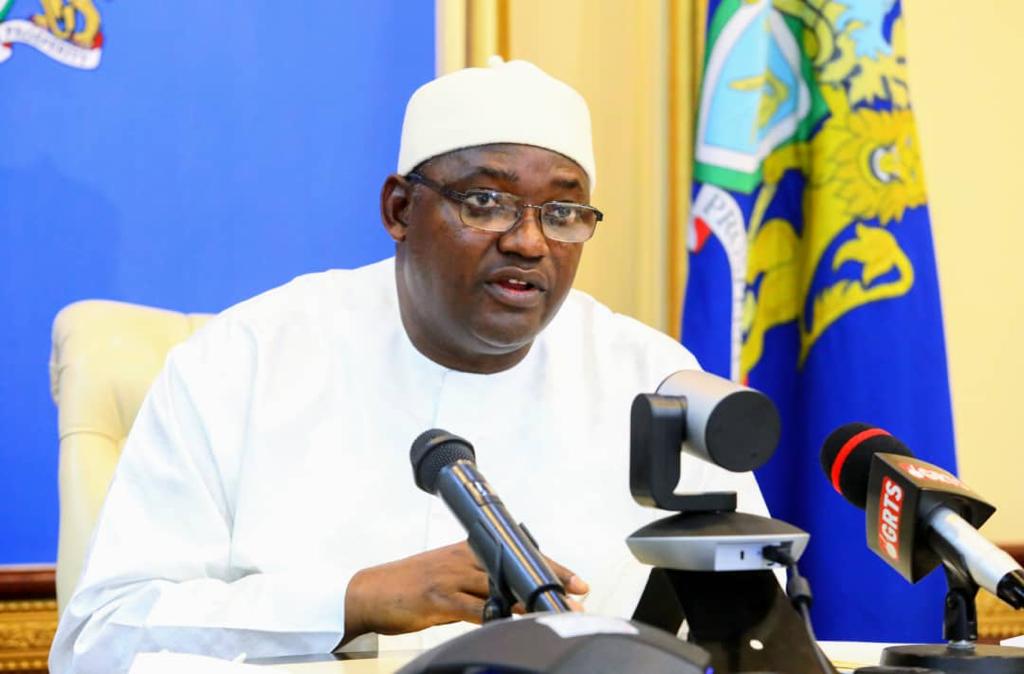
Notwithstanding, Dr. Gajigo appealed directly to President Adama Barrow: “I urge President Adama Barrow to do the right thing and allow Mr. Modou Ceesay to do his job.”
The removal has sparked widespread debate on social media and among civil society organizations, many of whom echo Dr. Gajigo’s concerns. Legal experts have also weighed in, cautioning that any breach of constitutional procedure could lead to a constitutional crisis.