

By: Fatou Krubally
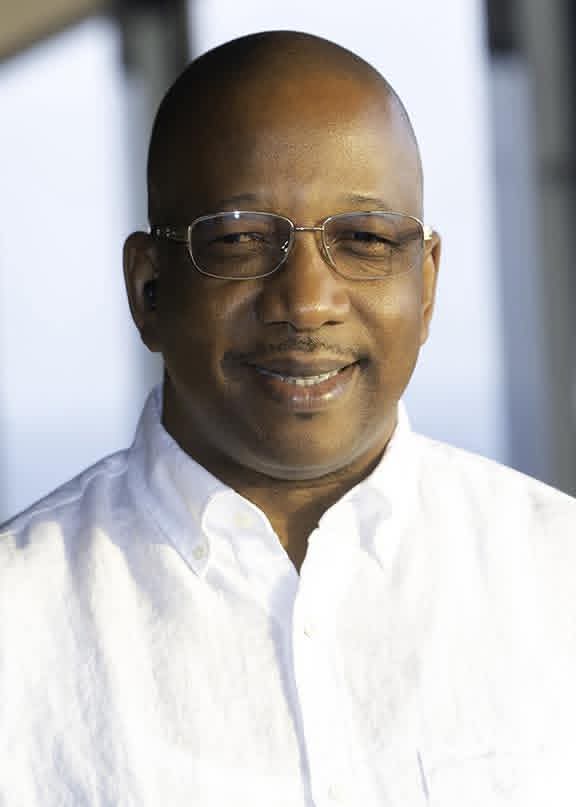
Former Secretary to the Cabinet, Ebrima Ceesay, on Wednesday, 20th August, appeared before the Special Select Committee on the Sale and Disposal of Assets Identified by the Janneh Commission, where he clarified the reporting lines and functions of the Secretary to Cabinet within the Office of the President.
Testifying before the committee, Ebrima Ceesay explained that the role of the Secretary to Cabinet operates within two reporting structures: one to the Secretary General on civil service matters, and another directly to the President on cabinet-related issues. He stressed that with respect to cabinet meetings and their outcomes, the Secretary to Cabinet does not report to the Secretary General, but instead reports directly to the President.
He described three classifications of participants in cabinet meetings the chairperson (the President), the members (ministers), and the secretary emphasizing that the Secretary General, while head of the civil service, has no direct authority over cabinet proceedings. “When it comes to cabinet meetings, the Secretary General has no sway. The Secretary to Cabinet reports to the President,” Ceesay told the committee.
Mr. Ceesay detailed the procedures for handling cabinet papers, noting that ministries prepare submissions through their permanent secretaries, which are then sent directly to the Cabinet Office in hard copy. He underscored that such documents are not routed through the Secretary General. To ensure quality and efficiency, he said, a Cabinet Paper Review Committee of selected permanent secretaries reviews submissions for policy, legal, or financial implications before they reach the cabinet table.
The former cabinet secretary further explained that while the Secretary General retains administrative authority over the civil service, the autonomous function of the Cabinet Office ensures that cabinet decisions remain directly under the purview of the President. “There is a thin line,” he said, “but on cabinet matters, the Secretary to Cabinet’s role is independent of the Secretary General.”
On communication within the Office of the President, Ceesay said instructions can be issued in written or verbal form. Written communication, he explained, is usually for formal assignments requiring ministerial or permanent secretary action, while verbal communication is often used as follow-up or for urgent tasks.
The committee pressed him on whether the Secretary General could override cabinet-related decisions, but Ceesay was firm that in such matters, the Secretary General plays no direct role. “Cabinet conclusions go to the President and the ministers,” he maintained.
Mr. Ceesay’s testimony provided lawmakers with detailed insight into the delicate balance of authority at the highest level of government administration, shedding light on the autonomy of the Cabinet Secretariat in relation to the wider civil service.
About the Author