
By: Kem Kanyi
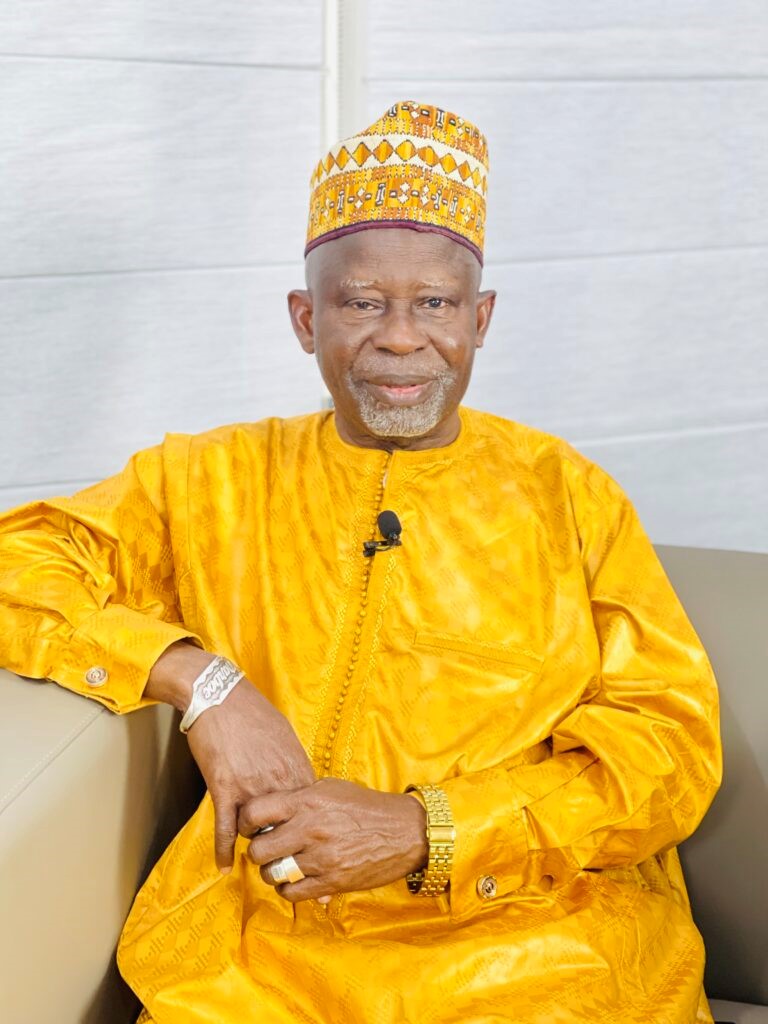
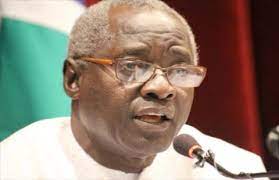
Halifa Sallah, leader of the opposition People’s Democratic Organisation for Independence and Socialism (PDOIS), has argued that the 2024 draft constitution is not entirely dead and could still be revived if National Assembly Members take deliberate action to rescind their earlier rejection.
Speaking at a press conference on Wednesday, Mr Sallah said the government has no authority to impose a constitution on the people and that it is the National Assembly’s responsibility to guide the process towards a final document that reflects the national interest.
He explained that the Assembly could have capitalised on the opportunity by allowing the bill to pass its second reading, which would have opened the door for proper scrutiny, meaningful amendments, and wider national consultation.
According to him, the failure of the Executive to consult widely before tabling the draft did not mean the process could not be corrected. He said it was at that point that the National Assembly should have stepped up to show leadership.
“If the Executive fails to consult, it becomes the duty of the National Assembly to show the Executive that what they failed to do, the Assembly will do on behalf of the people,” he said.
Mr Sallah pointed out that the second reading stage should have been used to expose flaws in the process, criticise the lack of consultation, and highlight gaps in the draft, but also to move the bill forward for deeper committee scrutiny.
He noted that if it had progressed to the committee stage, the Assembly could have invited every citizen, including thinkers, political parties, religious groups, and community leaders, to submit their views.
“So scrutiny would have been exercised. Then, we would have prepared a report on the opinions of all of us on the content of the constitution. The National Assembly Members would then go to the consideration stage, and clause by clause, they would scrutinise and vote, up to the end,” he explained.
He said if a three-quarters majority accepted the final version, it would be passed to the Independent Electoral Commission to prepare for a national referendum within six months, giving Gambians the final say.
“Then why should we be divided over this content? We should have been able to build consensus, and that is the process of a nation building a constitution. It was not voted to adopt it, as many thoughts in 2020. It was to bring it so that it could be scrutinised, and that was the duty of all the National Assembly Members at that time,” he added.
Mr Sallah stressed that although the draft is considered dead, Standing Order 29(3) of the Assembly rules allows lawmakers to introduce a motion to rescind their earlier decision.
He said doing so would create an opening for the National Assembly to revive the draft within the current legislative session, paving the way for fresh debate and a possible referendum.
About the Author