

By: Nyima Sillah
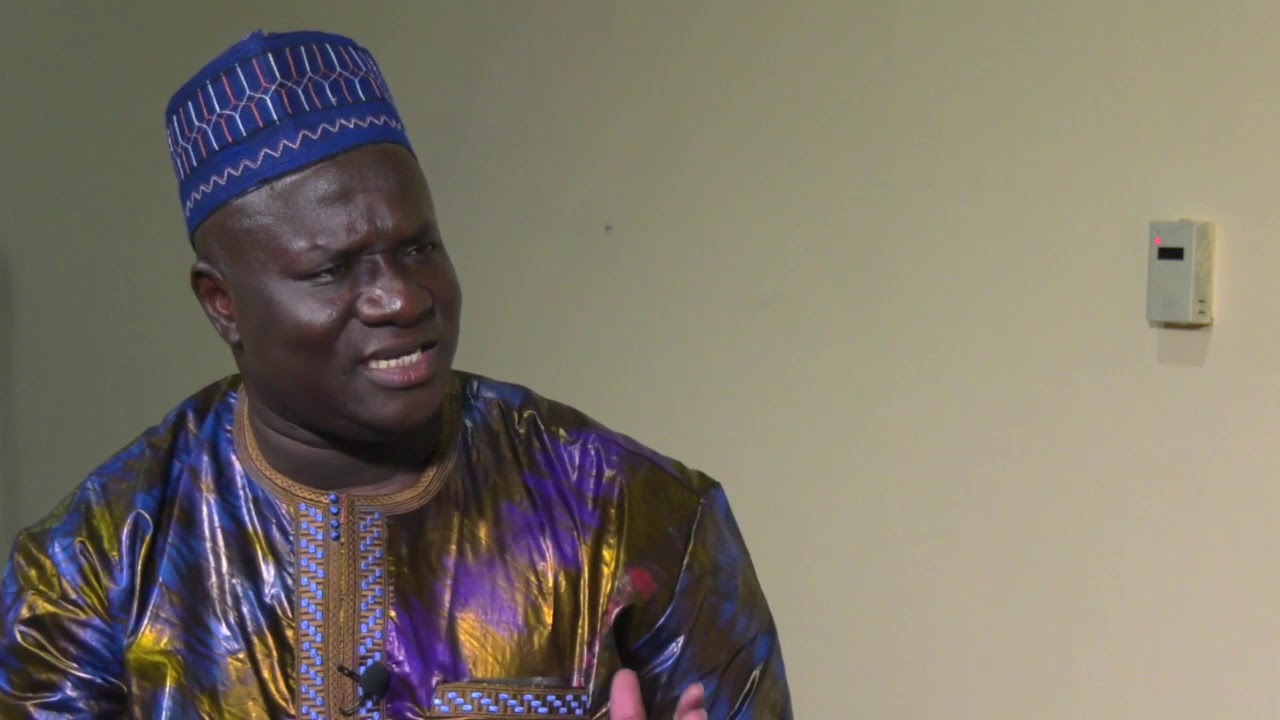
Dr. Foday Joof, a Gambian economist has raised eyebrows over the country’s growing dependence on imported fish, saying: “the trend reflects a sharp decline in local fish stocks and failures in marine resource management.”
Dr. Joof raised the concern during an interview granted to the Voice Newspaper on Monday.
He says the Gambia is increasingly consuming imported fish due to the deterioration of local marine resources. “I’ve met dealers bringing refrigerated trucks full of fish into the country to sell locally. This shows how badly our local supply has declined,” he said.
“The Gambia’s oceans are being overfished, leading to reduced availability and quality. The biomass of fish is now very small. It doesn’t mean there are no fish at all, but their quantity and quality have drastically dropped,” he explained. Fish has become so expensive that chicken is now cheaper. “In a country once known for its fish, eating good fish now has become a luxury,” Dr.Joof emphasized
He noted that the growing dependence on imports threatens food security, especially for coastal communities whose livelihoods depend on fishing. “If fish stocks continue to decline, the ripple effects will affect not just fishermen but also those who smoke, sell, transport, and process fish,” he warned.
Joof further stated that despite repeated discussions in public fora, little action has followed, as most of the fish in the markets are imported, including common species like mullet. “Market women buy these in bulk and resell them, which also contributes to high fish prices,” he added.
In a separate interview, Omar Gueye, Public Relations Officer of the Artisanal Fisheries Unit also confirmed that fish importation from Morocco and even parts of Europe has increased since last year. “I think it’s becoming another business channel, but that doesn’t mean The Gambia should be importing fish. We have a rich marine ecosystem that’s not being managed properly,” he said.
He stresses that the fish trade both import and export, is not happening in a vacuum, noting that the government is aware that any fish moving in or out must go through the ministry and port authorities.
Both Joof and Gueye called for urgent reforms, including the establishment of marine protected areas, stronger enforcement of fishing laws, and a review of existing contracts to restore control over the country’s marine resources.
“If we fail to act now, we risk collapsing the entire fisheries sector,” Gueye warned.