

By: Yunus S. Saliu
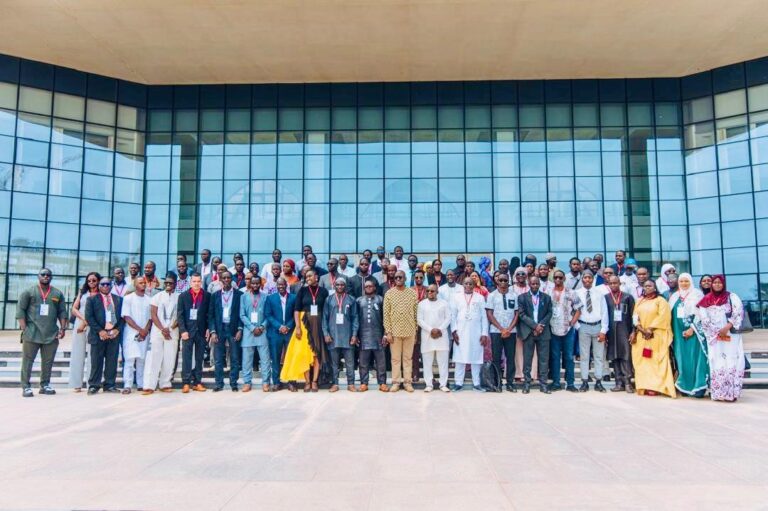
In a significant step toward modernizing the country’s outdated transport laws, the Ministry of Transport, Works, and Infrastructure (MoTWI) on Wednesday commenced a two-day external validation workshop for the draft Gambia Road Transport Bill 2025.
The event, held at the Sir DawdaKairabaJawara International Conference Center in Bijilo, brought together key stakeholders across government, private sector, and civil society.
The validation aims to replace the Motor Traffic Act of 1948, a colonial-era law widely seen as out of touch with the current realities of Gambia’s transport sector.
Presiding over the opening ceremony on behalf of the Minister, AlhajiMatarrCeesay, Permanent Secretary at MoTWI, described the draft bill as a landmark effort to establish a legal and institutional framework that addresses the growing demands of modern transportation in The Gambia.
“This engagement marks a significant milestone in our collective efforts to modernize the legal and institutional framework governing road transport. The current legislative framework has been in place since 1948 and no longer reflects the evolving dynamics, challenges, and opportunities of the sector,” AlhajiCeesay said.
With road transport serving as the backbone of national connectivity, trade, and social development, the need for reform is urgent. He emphasized that challenges such as unregulated transport services, unsafe road practices, and limited enforcement mechanisms have persisted largely due to outdated laws.
Supported by the World Bank through the Gambia Infrastructure Fund, the draft bill proposes progressive reforms that prioritize road safety, stronger regulatory oversight, and enhanced public and private transport services.
The draft Road Transport Bill 2025, once validated and passed by the National Assembly, is expected to address critical gaps in digital enforcement, driver discipline, vehicle standards, and infrastructure managementall with the ultimate goal of improving public safety and national connectivity.
“We are not borrowing a law,” said PS Ceesay. “This is a consultative, evidence-based process that allows us to build a legal framework reflective of The Gambia’s unique transport needs.”
The validation follows two weeks of internal consultations led by a legal steering committee composed of technical experts from across the transport sector. The external workshop now broadens that consultation to include governors, World Bank representatives, the Gambia Transport Union (GTU), National Road Authority (NRA), and other key players.
SulaymanSumarehJanneh, Acting Managing Director of the NRA, stressed the importance of updating the law to reflect current infrastructure realities.
“This is long overdue. We are now looking at not just enforcement, but how to improve access and safety for the traveling public. This bill is a step toward a system that protects lives and supports growth,” Suwareh noted.
Musa Joof, President of the Insurance Association and Managing Director of West Africa Takaful Insurance, welcomed the bill, calling it “timely and essential.”
“We’ve been working with a law from 1948. Mechanical evolution has far outpaced it. This bill allows us to claim ownership of a legal framework that is responsive to our current challenges,” Joof said.
He urged participants to fully engage in the process, calling the bill “an opportunity to create a law made by and for Gambians.”
Also speaking at the event, Omar Ceesay, President of the Gambia Transport Union, highlighted the sector’s long-standing desire for reform.
“Since I took office years back we’ve been calling for this. Today’s validation is a breakthrough. We now have the opportunity to shape a transport law that ensures safe roads, decent working conditions, and a smooth transport system,” he stated.
He noted that the union will fully participate in the validation to ensure the concerns of commercial drivers and road users are reflected in the final draft.
The workshop continues through Thursday, with a final version of the bill expected to be presented to the executive and National Assembly when it ready.
About the Author