

By: Esi Ejoh
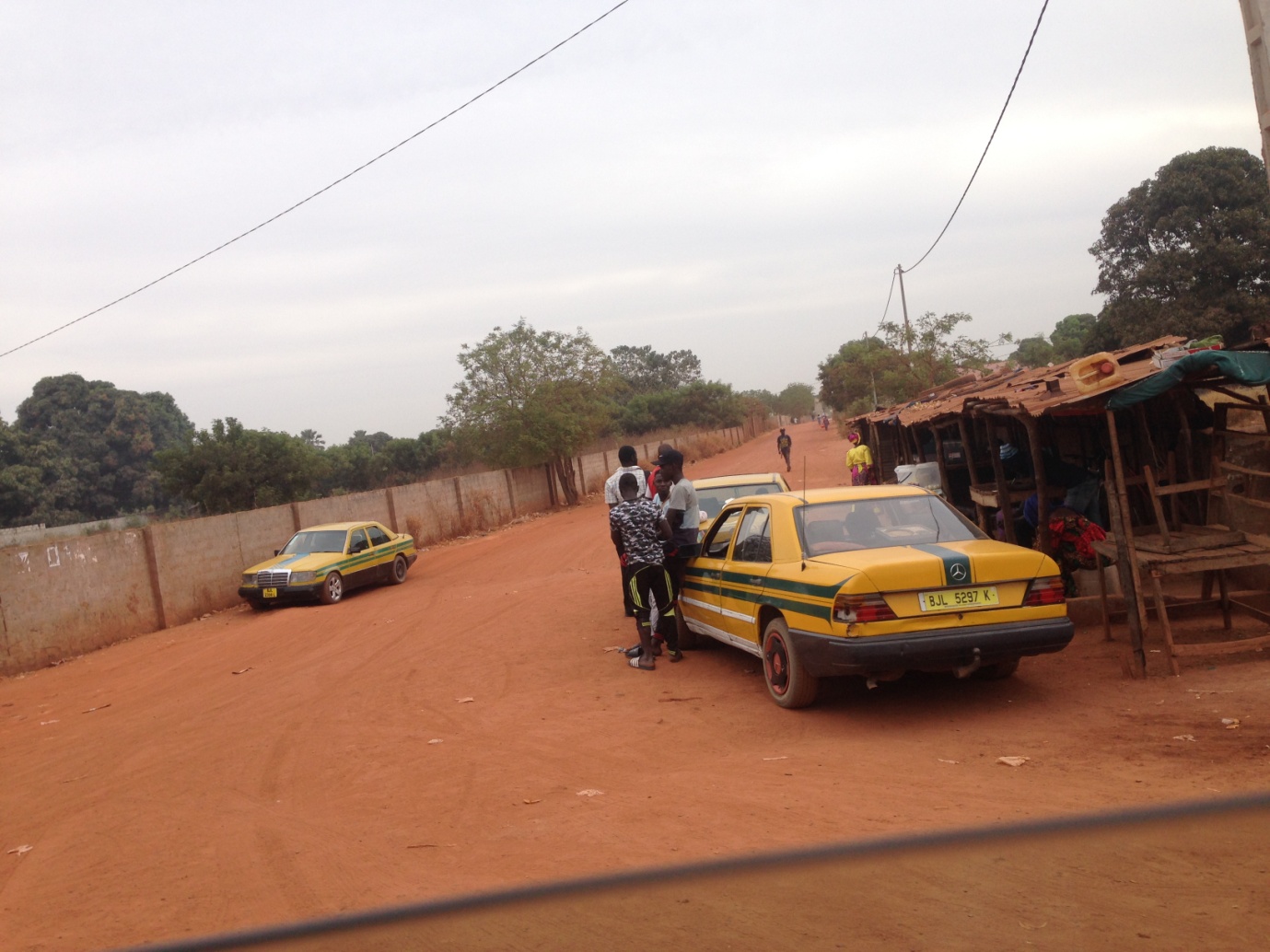
Banjul, The Gambia at exactly 8am, while classrooms across the country are meant to be filled with the chatter of student reciting lessons another reality plays out on the streets and open fields of many communities. Increasing numbers of school age children are seen loitering, playing football, hawking goods or simply wandering during official school hours a trend raising serious concern among education stakeholders and parents.
This troubling pattern has become visible in both urban and rural communities. In Serekunda, Brikama and parts of the Upper River region dozens of children can be found idling in marketplaces and street corners when they should be in school.
Despite The Gambia’s constitutional commitment to providing free and compulsory basic education for all children, enforcement remains weak. Economic hardship, lack of school fees for ancillary cost, poor parental supervision and in some cases a complete loss of interest in formal schooling contribute to the growing crisis
“It is a silent emergency” says Mendy Angela a teacher in Coaster Road. Amodu Lamin says “we are facing a generation that is gradually disconnecting from classroom and this is dangerous”
The implication experts warn is that the long term of this trend is severe. First, it poses a direct threat to national development as uneducated populations often struggle with unemployment, poverty and limited civic participation.
Secondly, the children themselves become vulnerable to various forms of exploitation, including child labour abuse and criminal activities. Without proper education and guidance many fall into cycles of poverty that are difficult to escape
“When Children are allowed to choose play or street life over school, we are essentially robbing them of their future said Nyima Nije a primary school teacher in Latrikunda “And when the future generation is robbed the whole nation suffers”
Stakeholders are calling for urgent intervention urge the Ministry of Basic and Secondary Education {MoBSE} to increase school monitoring and reintroduce community-based enrolment campaign.
Government must enforce the laws that make basic education compulsory, and support vulnerable families to remove the financial barriers that stop children from going to school.
Education is a right, not a privilege if the current trend continues unchecked the consequences could be catastrophic for The Gambia’s ambition towards socio- economic transformation. It is about real lives being left behind
The time to act is now to bring every child back to the classroom where they belong.