

By: Fatou Krubally
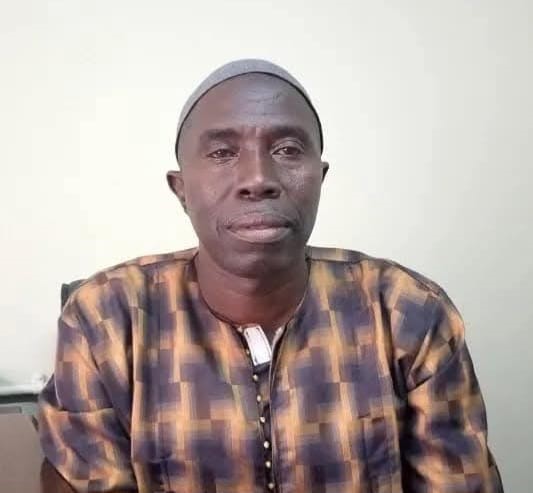
Activist Madi Jobarteh has called for a complete overhaul of Gambia’s political party system, arguing that the ongoing internal turmoil within the United Democratic Party (UDP) is not an isolated incident but a symptom of a broader, systemic problem affecting all parties since independence.
A statement obtained by this medium, she said the infighting in the UDP marked by recent public disagreements and controversial remarks by party chairman Yankuba Darboe exposes a deep-rooted lack of internal democracy and modern governance standards across Gambia’s political spectrum.
“Our political parties are stagnant, personality-driven, and undemocratic,” Jobarteh said. “As long as parties remain dominated by one individual, they cannot deliver democracy once in power.”
He pointed to a historical pattern in which parties are created and owned by individuals from PPP under Jawara to UDP under Ousainou Darboe arguing that such personalization leads to internal breakdowns and failure to evolve. “Once a leader leaves, the party either dies or becomes a shadow of its former self,” he noted.
Madi, criticized the failure of parties to reform after the fall of the Jammeh regime in 2016, saying it is unacceptable that the same outdated leadership models remain in place nearly a decade later. He urged parties to adopt internal term limits, separate executive roles from flagbearer positions, and decentralize leadership through inclusive youth, women, and disability wings.
“The same democratic standards we demand from the state transparency, accountability, diversity must apply to our parties,” he added.
While expressing disappointment in Darboe’s recent remarks, Jobarteh commended members like Nanama Keita and Yunus Hydara for pushing back and calling for change. He also challenged young political figures such as Mayor Talib Bensouda and Mayor Rohey Malick Lowe to push for internal party reform.
“The founders of UDP in 1996 remain its leaders in 2025. That is not progress. That is stagnation,” he concluded.
Jobarteh’s statement adds to growing voices calling for systemic change, not just in governance, but at the very root of political organisation in The Gambia.