


By Haddy Touray
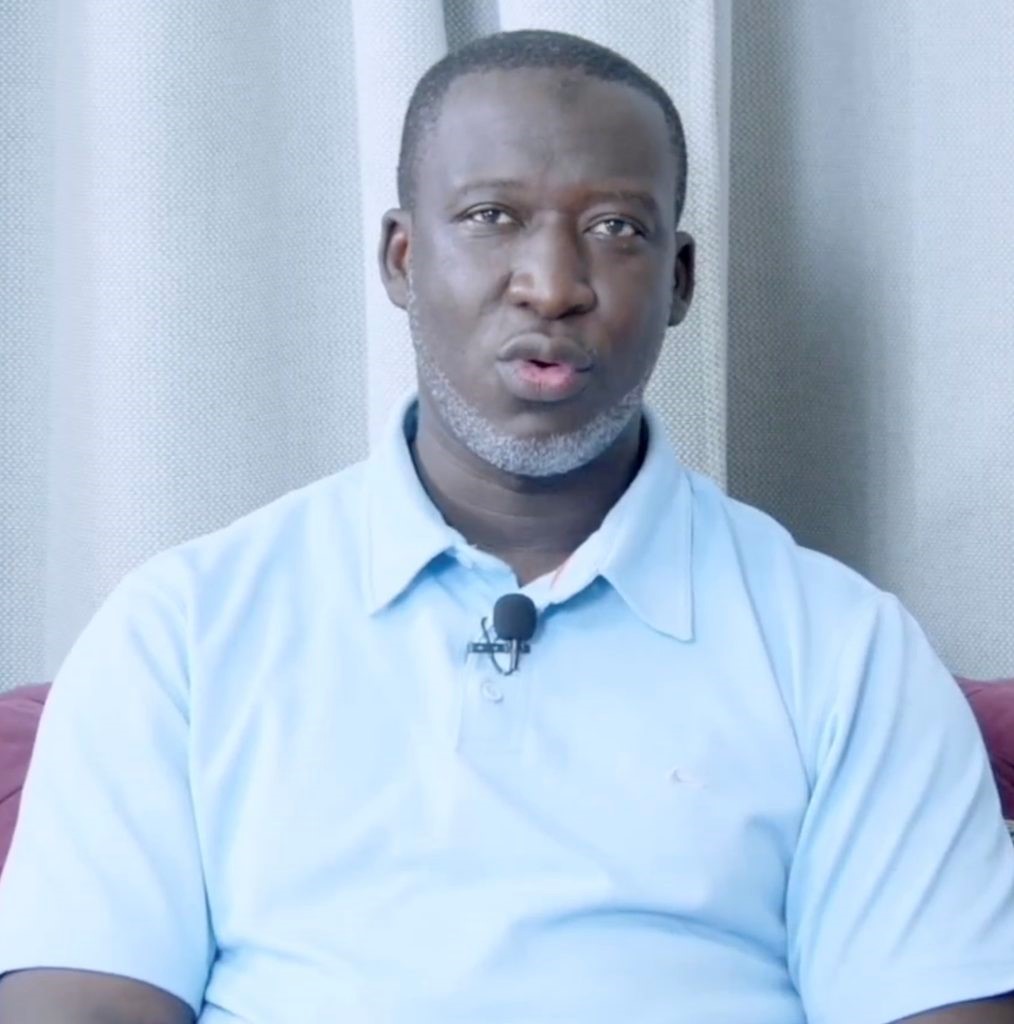
Ebrima Dibba, National President of the UNITE Party, has defended the presidential candidacy of party leader Talib Ahmed Bensouda, while disclosing details of unsuccessful talks with APP-Sobeyaa leader Essa Mbye Faal on a possible political arrangement ahead of The Gambia’s December 5 presidential election.
Speaking in an interview with Kerr Fatou, Dibba said he accompanied Bensouda and Aziz Bensouda to Faal’s residence to propose that Faal support Bensouda’s presidential bid and work with UNITE towards a broader opposition alliance.
According to Dibba, Faal rejected the proposal, arguing that he had left his job to pursue the presidency and would face a lengthy wait for another opportunity if Bensouda won and served two terms.
Dibba said Faal also referred to campaign resources he had already committed, including an order for 100 vehicles and more than 200 motorbikes.
“I told him, ‘Essa, calm down. We came to you with our proposal, which is for you to support Talib and work together with him to win the presidency and get the country out of the situation it is in,’” Dibba said.
He said Aziz Bensouda argued that Talib Bensouda had accumulated political experience and support during his tenure as mayor of the Kanifing Municipal Council.
Dibba said the discussions subsequently turned to possible political arrangements, with Faal, according to his account, proposing that he become president while Bensouda served as prime minister under a newly created office.
Faal also proposed serving a single five-year term, Dibba said.
The discussions eventually ended without an agreement, according to Dibba, who further alleged that Faal wanted any arrangement involving the vice-presidency to be formally documented.
Dibba also claimed that Faal told the delegation that, if he could not reach an agreement with UNITE, he would prefer working with the ruling National People’s Party (NPP) rather than the United Democratic Party (UDP).
“He said UDP is out of it. He made this clear,” Dibba said.
Faal’s account of the private meeting was not included in Dibba’s remarks.
Dibba also discussed APP-Sobeyaa’s withdrawal from the Coalition 2026 presidential selection process, which subsequently resulted in Bensouda being selected as the coalition’s flagbearer.
According to Dibba, Faal had proposed that the candidate who finished first in the selection process should become the presidential candidate, while the runner-up should automatically become the vice-presidential candidate.
He said the proposal was rejected because the presidential candidate was expected to have the authority to select a running mate.
Dibba alleged that Faal withdrew shortly before the selection process and had prepared remarks criticising the process.
APP-Sobeyaa had previously raised concerns about the Coalition 2026 process, including allegations concerning delegate inducement and disagreements over the selection and ratification of a running mate.
Bensouda’s Eligibility
Dibba also insisted that Bensouda would contest the December presidential election, saying only death could prevent him from appearing on the ballot.
“As long as Talib is alive, he will be on the ballot on Election Day, just like President Adama Barrow,” he said.
Dibba warned that any attempt to prevent Bensouda from contesting could lead to political unrest, although he acknowledged that the government had not announced any decision barring Bensouda from the election.
The comments come amid debate over adverse findings concerning Bensouda by the Commission of Inquiry into the conduct of local government councils.
Bensouda has appealed the findings before the Court of Appeal under Section 204 of the 1997 Constitution. His appeal challenges the commission’s conclusions concerning his alleged political and executive influence over financial and administrative matters at the Kanifing Municipal Council.
Dibba said he had not seen anything in the commission’s draft findings that, in his view, would disqualify Bensouda from seeking public office.
“I have not seen anything in the draft report that can disqualify Talib from contesting for any office, even that of an Alkalo,” he said.
The Independent Electoral Commission has scheduled November 3 to 14 for the nomination of presidential candidates ahead of the December 5 election.
Bensouda was elected leader of UNITE at the party’s national congress in May, while Dibba was elected National President. UNITE has since campaigned for Bensouda’s presidential candidacy.