


By Fatou Krubally
UNICEF has called for stronger action to end child marriage in The Gambia, urging increased investment in girls’ education, social protection and child protection services to enable girls to determine their own futures.
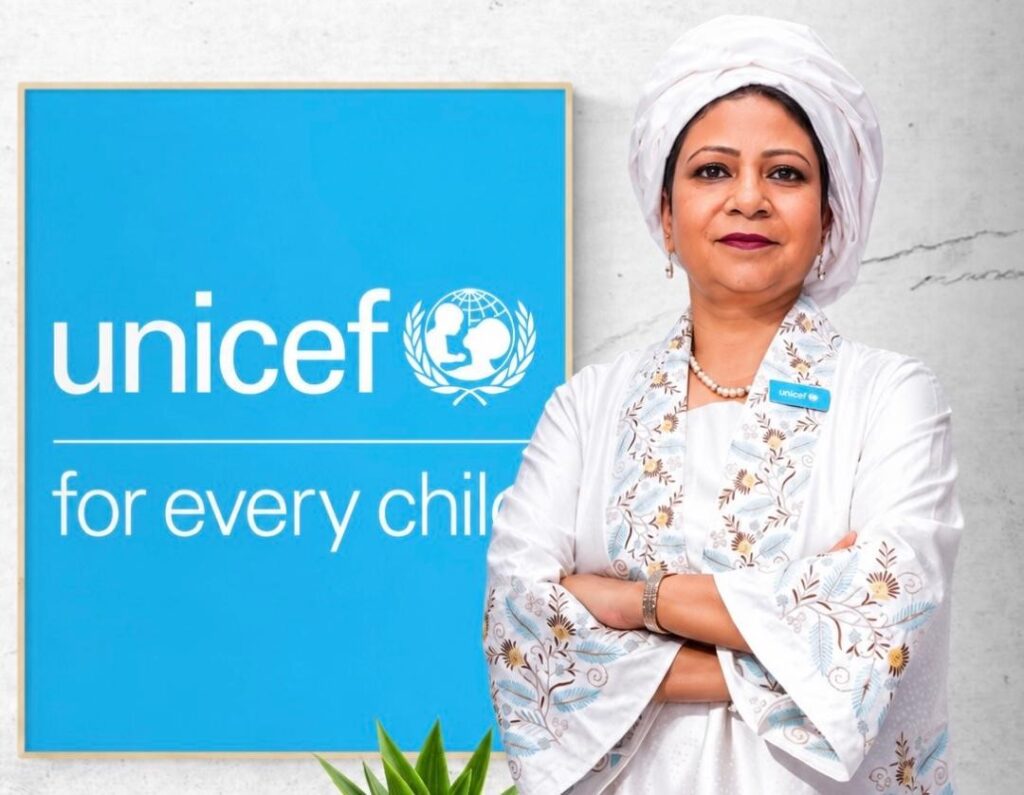
The call was made by UNICEF Representative in The Gambia, Nafisa Binte Shafique, in a statement ahead of the International Day of the Girl, observed on 11 October under the theme, “End child marriage and invest in girls’ rights.”
Shafique said every girl in The Gambia should have the freedom to learn, lead and make decisions about her future, stressing that child marriage deprives girls of those opportunities.
She said the international theme was developed through consultations with girls and girl-led networks worldwide, adding that their views should guide efforts to protect and advance their rights.
UNICEF said an estimated 68 million child marriages had been averted globally over the past 25 years through investments in girls’ education, legal reform and social protection.
The organisation also highlighted progress in The Gambia, noting that more girls are attending school than ever before and that girls constituted the majority of candidates who obtained the grades required to progress after this year’s senior secondary examinations.
However, UNICEF said challenges remain, noting that fewer than one in 10 candidates obtained the five credits, including English and Mathematics, required for university admission.
On child marriage, Shafique said The Gambia had made progress through legislation and advocacy.
The Children’s Act 2005 prohibits child marriage, while an amendment enacted in 2016 introduced penalties for those who arrange, conduct or fail to report child marriages.
According to the 2019–20 Demographic and Health Survey, the proportion of women aged 20 to 24 who were married before the age of 18 declined from 30.4 per cent in 2013 to 23.1 per cent.
Despite the decline, UNICEF said child marriage continues to affect girls unevenly across the country.
The rate was 17 per cent in urban areas compared with 43 per cent in rural areas. It was below eight per cent in Banjul and above 54 per cent in Kuntaur, according to the organisation.
UNICEF said education remained a critical protection against child marriage, noting that nearly half of women with no formal education had been married as children, compared with fewer than one in 10 among those who had attained secondary education or higher.
The organisation called for continued investment in girls’ education, social protection for vulnerable households, stronger social services, adolescent-friendly health services and effective enforcement of existing laws.
Shafique also urged parents, religious and traditional leaders, teachers, government, development partners and young men to take responsibility for protecting girls from child marriage.
She reaffirmed UNICEF’s commitment to working with girls in The Gambia to ensure they are safe, educated and able to make decisions about their own futures.