


By Haddy Touray
The United Democratic Party (UDP) says it has introduced measures to protect votes and prevent electoral malpractice ahead of December 5, 2026, presidential election, including geolocation tracking for its polling agents.
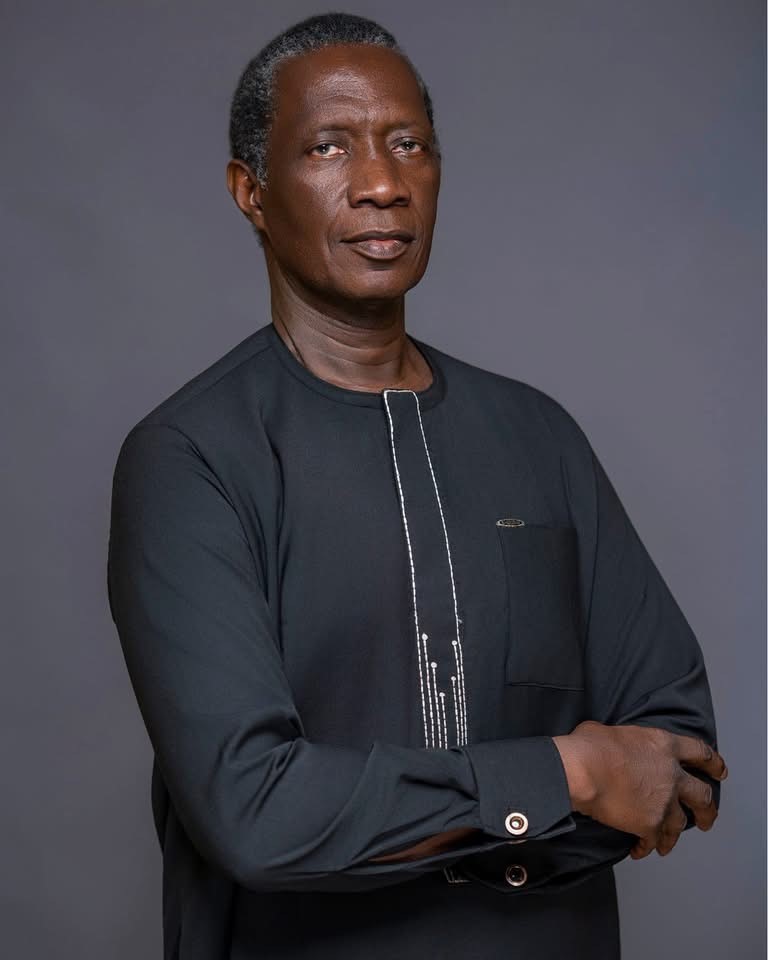
Lamin Manneh, the party’s Deputy Administrative Secretary for External Affairs, disclosed this on Friday during an appearance on The Grand Bantaba, a current affairs programme on Kerr Fatou.
He said UDP agents would monitor the electoral process alongside Independent Electoral Commission (IEC) officials, ensuring that votes were counted transparently and results accurately recorded.
Manneh said result forms would be completed in the presence of party agents, who would verify and retain copies of result slips before the figures were announced. The UDP would subsequently compile and publish its own results using the slips collected from polling stations.
He dismissed claims that the election had already been stolen, arguing that such statements could discourage citizens from voting.
“What people need to know is that the election will not be stolen this year,” he said, adding that the party had spent the past five years preparing to prevent a recurrence of electoral disputes.
Manneh said agents had also been instructed to scrutinize voter cards, including photographs, to ensure that they belonged to the people presenting them.
Geolocation monitoring
The UDP official said the party had introduced geolocation tracking to monitor its agents and reduce the risk of electoral malpractice.
Under the system, he explained, an alert would be triggered if an agent moved more than five metres from an assigned polling station. The party’s control centre would then contact the agent and dispatch supervisors to establish the circumstances.
Manneh said agents were receiving training on the system and that supervisors would provide additional oversight during the election.
He alleged that the 2021 presidential election had recorded inflated results in some areas where UDP agents were absent. Citing an example, he claimed that a village with about 152 residents recorded more than 2,000 votes. He said the party investigated the discrepancy using Google Maps and field checks. The allegation could not be independently verified.
Manneh also warned against possible attempts to bribe polling agents, alleging that President Adama Barrow had said D1 billion would be spent during the election. The claim about the president’s statement was not independently verified.
UDP threatens legal action over data
Manneh said the UDP was preparing to take the IEC to court to compel it to release voter registration data the party had reportedly requested four months earlier.
He accused the commission of failing to respond to the request and said the party wanted the information to support electoral transparency.
He also questioned the whereabouts of national identification data produced by Semlex, a company contracted to provide identification documents, including passports and identity cards.
According to Manneh, the party’s lawyer, Ya Kumba Jaiteh, subpoenaed the Immigration Department over the matter, and officials reportedly told the court that the data was no longer in the department’s possession and that they did not know where it was held.
He argued that records produced under contract for The Gambia should remain accessible to the state and called for clarification about their custody.
The IEC and Immigration Department had not responded to the allegations at the time of reporting.
Criticism of power-generation deal
Manneh also criticised the government’s recent arrangement to bring in additional electricity-generation capacity, describing the agreement as illegal and financially unsustainable.
He questioned the capacity of the new independent power producer and argued that the agreement could leave financial liabilities for a successor administration.
A UDP government, he said, would seek to cancel the contract, claiming it had not complied with the law or gone through Parliament. He also raised concerns about the absence of a public-private partnership law.
The government’s response to the UDP’s allegations was not included in the reported remarks.