


By Kemo Kanyi
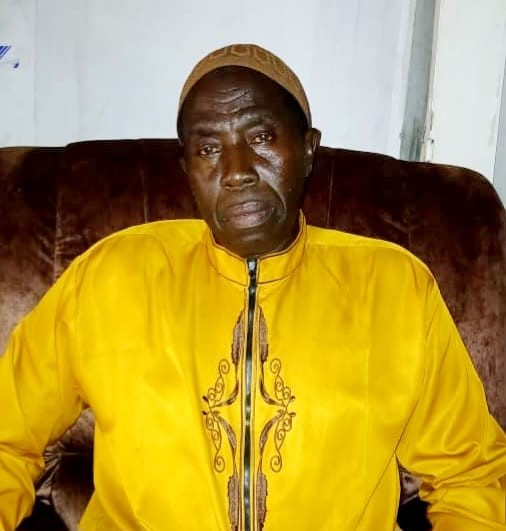
United Democratic Party (UDP) North Bank Region spokesperson, Mr. Karamo Njie has criticized Minister of Lands, Local Government and Religious Affairs Hamat N.K. Bah over remarks he described as divisive and tribalistic during a political gathering in Farafenni.
Speaking to The Voice on Monday, Njie said comments attributed to Bah could undermine social cohesion and deepen ethnic tensions in The Gambia.
Bah, speaking at a political rally in Farafenni on Saturday, accused the UDP of targeting Wollof and Fula voters during the recent voter registration objection process. He also warned supporters that voting for the UDP could result in some people being forced to leave the country.
Njie said such statements from a senior government official were unfortunate and could negatively influence younger Gambians.
He rejected the allegation that the UDP would expel members of particular ethnic groups if elected to power, saying the party’s stated objective was to promote national unity and development.
“UDP doesn’t have legitimate power to denounce anyone’s citizenship. I am Wollof and my mother is Mandinka. The Gambia belongs to all of us. No one must make anyone believe that they are more Gambian than others,” Njie remarked.
He urged Minister Bah to refrain from what he described as tribal political pronouncements, arguing that political leaders should focus on issues affecting citizens rather than ethnicity.
He further criticized the government’s presentation of electricity expansion and road projects in the North Bank Region as political achievements, arguing that the projects were funded from public resources.
“The electricity expansion and road projects that President Barrow claims to have brought for the people of North Bank are never from his personal wealth. They are from the national coffers that every citizen has an equal share to claim,” he said.
The exchange comes as political parties intensify their campaigns ahead of The Gambia’s December 5 presidential election, with ethnicity, citizenship and national identity increasingly featuring in political discourse.