


By Isatou Sarr
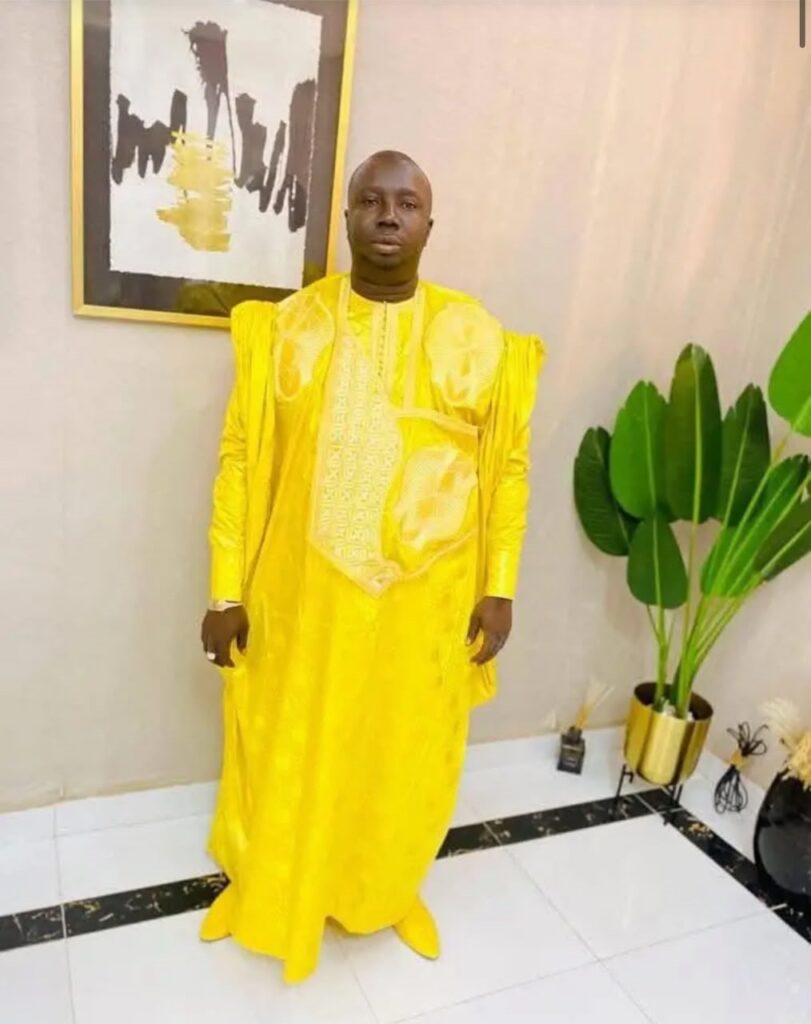
Nyawuru Komma, an official of the opposition United Democratic Party (UDP), has warned opposition parties that large campaign turnouts alone will not be enough to defeat President Adama Barrow in The Gambia’s December 2026 presidential election.
Speaking on Eye Africa TV on Wednesday, Oct. 14, Mr. Komma urged opposition parties to pay greater attention to electoral reforms and alleged irregularities in voter registration rather than relying on public rallies as an indication of electoral strength.
He questioned the commitment of other opposition parties to electoral reforms, particularly the demand for access to raw voter registration data, which he said the UDP had been pursuing.
Mr. Komma also criticised opposition parties for not making greater use of the Revising Courts to challenge voter registrations they consider unlawful, including registrations allegedly involving foreigners and underage individuals.
He argued that addressing such concerns was essential to ensuring the credibility of the electoral process.
Defending the UDP against criticism that it adopts a confrontational political approach, Mr. Komma said the party’s position reflected its experience under the 22-year rule of former President Yahya Jammeh.
He also claimed that 90 per cent of the National People’s Party (NPP) comprised individuals who had moved from the former regime, arguing that the current administration continued to employ similar political methods.
Mr. Komma further suggested that some opposition figures were more interested in aligning themselves with the ruling establishment than in challenging it. He predicted that additional opposition members could join the ruling camp before election day.
He also accused some opposition parties of making political statements to advance their own interests rather than addressing issues affecting ordinary citizens.
His remarks come as political parties intensify preparations for the December presidential election, with debates over voter registration, electoral transparency and opposition cooperation continuing to shape the political landscape.