


By Haddy Touray
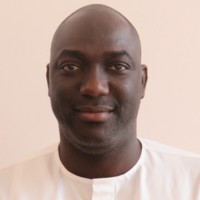
Lamin J.K. Sanneh, Deputy Administrative Secretary for Social Affairs and Fundraising of the opposition United Democratic Party (UDP), has accused the government of prioritising hospital construction over the delivery of essential healthcare services.
Speaking during a discussion on the UDP’s official Facebook page, Mr. Sanneh said shortages of medicines, medical equipment and basic supplies continued to undermine healthcare delivery despite what he described as billions of dalasis spent on the sector in recent years.
“A hospital is not just a house with corrugated sheets and tiles. It is a service,” he said, arguing that healthcare infrastructure had limited value without adequate equipment, medicines and qualified personnel.
Mr. Sanneh contrasted current conditions with what he described as a period when public hospitals were better stocked with medicines and adequately staffed by doctors and nurses.
He cited long queues, administrative delays and shortages of medical supplies as major challenges facing patients at public health facilities.
According to him, some patients wait up to 90 minutes to obtain hospital tickets before encountering further delays caused by computer system failures, faulty equipment and electricity outages.
He also alleged that patients were sometimes required to purchase basic supplies, including gloves, intravenous fluids and prescribed medicines, from private pharmacies.
Questioning government expenditure on healthcare, Mr. Sanneh cited figures he said indicated that approximately 20 billion dalasis had been spent on the sector over the past seven to eight years.
He argued that the expenditure should have resulted in improvements in medical services, including greater availability of dialysis machines, essential medicines and specialised facilities such as a cancer treatment centre.
Mr. Sanneh further claimed that some newly constructed hospitals, including facilities in Soma and the West Coast Region, lacked adequate equipment. He also alleged that bed shortages at hospitals in Banjul had forced some patients to lie on the floor.
He said some patients waited between two and three hours without being attended to by a doctor.
Outlining the UDP’s healthcare proposals, Mr. Sanneh said a government led by the party would seek to eliminate out-of-pocket payments for hospital services while increasing investment in medical equipment, staffing and medicine supplies.
He said the party planned to establish adequately equipped referral hospitals in strategic locations across the country, including the West Coast Region, North Bank Region, Kuntaur, the Central River Region, Basse, Bansang and Brikama Ba.
Asked whether the UDP intended to restore the community-based primary healthcare approach associated with former President Sir Dawda Kairaba Jawara, Mr. Sanneh said the party’s position would be detailed in its manifesto, which he expected to be released the following week.
He stressed that modern healthcare required more than physical infrastructure, citing the need for advanced diagnostic equipment, modern medical technology and minimally invasive surgical procedures.
On medicine shortages, Mr. Sanneh said the UDP intended to explore partnerships with international pharmaceutical manufacturers to produce medicines specifically for government hospitals.
Under the proposed arrangement, he said, medicines supplied through the initiative would be restricted from commercial resale to ensure that products intended for public health facilities reached patients.
Mr. Sanneh maintained that healthcare performance should be assessed by the quality and accessibility of services rather than the number of hospitals constructed.
Citing facilities in communities such as Jali and Badibou, he argued that newly built hospitals would offer limited benefits without qualified nurses, essential medicines, running water and basic medical supplies.
His remarks come ahead of The Gambia’s December 2026 presidential election, as political parties outline their policy priorities, with healthcare delivery expected to feature prominently in public debate.