


By Haddy Touray
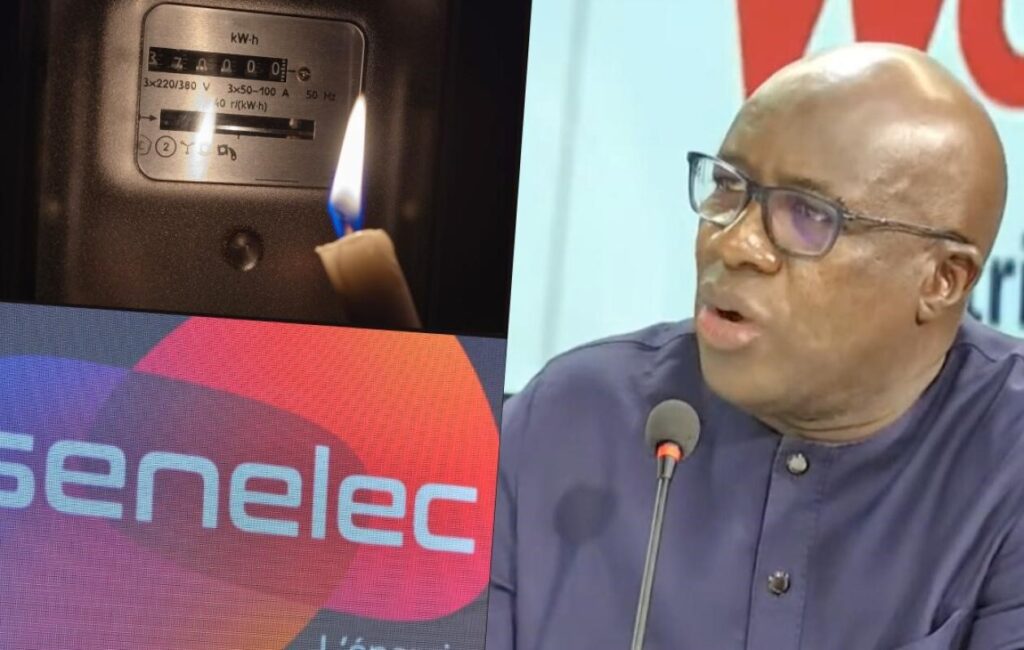
Power cuts have returned to several parts of Senegal in recent weeks, causing frustration among consumers amid a period of high temperatures, according to a senior electricity workers’ union official.
Mouhamed Habib Aïdara, Secretary-General of the Single Electricity Workers’ Union (Sutelec), attributed the disruptions to three main factors: delays in the availability of domestic gas, electricity demand exceeding forecasts and difficulties in securing fuel supplies.
Aïdara said Senegal’s electricity production planning had been based partly on a Gas-to-Power strategy, under which some power-generation units were expected to be converted to gas.
He said the West African Energy power plant, which has become an important component of Senegal’s generation fleet, was also designed around the expected availability of gas.
However, the planned timetable for domestic gas production, particularly gas expected from the Yakaar-Teranga project, has not been met, he said.
“This situation has forced us to keep or temporarily adapt certain facilities to operate on fuel oil, with all the technical, logistical and financial constraints that this entails,” Aïdara said.
The union official said electricity demand had also grown faster than anticipated.
According to Aïdara, production planning had projected peak demand at about 1,250 megawatts (MW), but actual demand reached approximately 1,400 MW.
He said the difference of about 150 MW, or roughly 12 percent above the initial forecast, had reduced the system’s capacity to cope with peak consumption and unexpected technical problems or maintenance.
Aïdara identified fuel supply as another major concern, particularly while power plants remain dependent on fuel oil in the absence of sufficient domestic gas.
He said limited fuel stocks could leave the electricity system vulnerable to delays or interruptions in supply.
“Any delay or difficulty in fuel supply can lead to a reduction in generation or even the temporary shutdown of certain units,” he said.
Aïdara described the situation as a combination of delayed gas availability, higher-than-expected electricity demand and a fuel supply system whose reliability remains fragile.
The Sutelec official called for immediate measures to secure fuel supplies and strengthen available generation capacity to meet rising demand.
He also urged authorities to update electricity production planning to reflect the current timetable for the Gas-to-Power programme.
“This combination is reducing the safety margins of the electricity system. The response therefore cannot be merely short-term,” Aïdara said.
He warned that power cuts could persist if fuel supplies are not secured.
Aïdara also placed responsibility for fuel supply on the authorities, saying the Energy Support Fund (FSE), under the Permanent Secretariat for Energy (SPE) of the Ministry of Energy and Petroleum, manages fuel supplies to power-generation plants.
The comments come as Senegal seeks to expand domestic gas use in electricity generation while responding to rising electricity demand.