


By Fatou Krubally
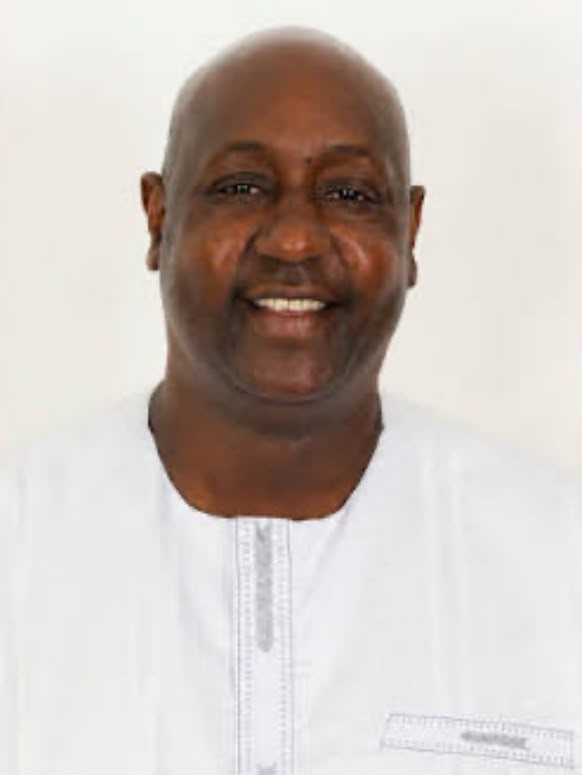
The Gambia’s Minister of Agriculture, Livestock and Food Security, Dr Demba Sabally, has attributed delays in delivering tractors under a government procurement scheme approved in 2024 to the timing of payments, saying 24 units are awaiting border clearance.
Responding to lawmakers at the National Assembly on Wednesday, Dr Sabally said the supplier had informed the ministry that the 24 tractors were at the border and would be cleared and received soon.
However, he said the ministry could not provide a specific delivery date for the remaining units because of logistical constraints.
The minister explained that the contract required the government to pay 25 per cent of the total contract sum upfront, amounting to about D52 million. The supplier received 12.5 per cent in 2025 and the remaining 12.5 per cent in 2026, he said.
Although the contract was signed in 2024, Dr Sabally said the supplier considered it effective only after the required payment had been received.
He said the remaining tractors were expected within a reasonable timeframe, adding that the ministry hoped to receive them before the next rainy season.
The questions arose during discussions on the distribution of the 180 tractors approved by the National Assembly in 2024, with lawmakers seeking clarification on deliveries and beneficiaries.
On allocation, the minister said demand from farmers was the primary consideration. Applicants must demonstrate their ability to meet the financial commitments before assessments are conducted and tractors allocated.
He said the scheme had reached beneficiaries across the country, except Banjul, according to the list presented to the Assembly.
Dr Sabally also defended government tractor-ploughing charges of D4,500 to D5,000 per hectare, saying the rates covered fuel, lubricants, operators, maintenance and depreciation. Lawmakers said private operators charged between D7,000 and D9,000 per hectare.
The minister further said government-supported projects had provided free ploughing services on more than 30,000 hectares nationwide, while the ROOTS project covered 80 per cent of ploughing costs in 92 communities in 2026.
He said the government was engaging development partners to support investment in agricultural machinery as part of efforts to address equipment shortages during the rainy season.