


By: Fatou Krubally
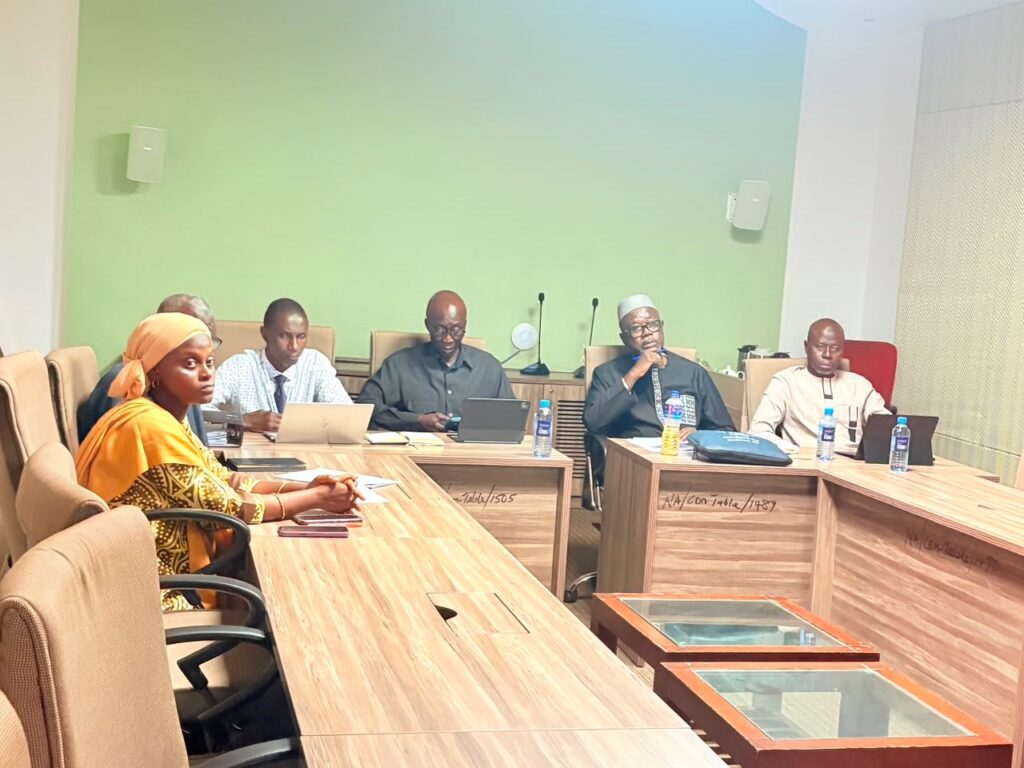
The National Assembly’s Finance and Public Accounts Committee (FPAC) Tuesday raised concerns over The Gambia’s ability to effectively monitor and manage its fish resources, as lawmakers scrutinised findings contained in the 2025 Government Accounts.
The issue emerged during the committee’s consideration of audit findings relating to the Ministry of Fisheries, where officials acknowledged that the country does not currently have the capacity to determine a Total Allowable Catch (TAC) — a key fisheries management tool used globally to regulate fishing activities and prevent overexploitation of fish stocks.
According to the audit report, the Fisheries Department does not maintain data on the total allowable level of fishing in Gambian waters. Auditors recommended that the ministry strengthen its capacity to undertake scientific research aimed at determining the maximum sustainable yield of the country’s fisheries resources.
Responding to the finding, fisheries officials told the committee that the system required to establish TAC levels is currently unattainable because The Gambia lacks the specialised vessels and resources needed to conduct the necessary stock assessments.
Officials explained that determining TAC requires extensive scientific surveys and data collection at sea, which depend on research vessels that the country does not possess. They said The Gambia instead relies on data gathered from fish landing sites, regional assessments and support from international partners to monitor fish stocks.
However, members of FPAC questioned whether the absence of a comprehensive monitoring system could expose the country to risks associated with overfishing.
Committee members noted that the provision exists in law for a reason and argued that without accurate information on fish stocks, it becomes difficult to determine how much fishing activity can be sustained in Gambian waters.
During the exchanges, lawmakers stressed that declining fish availability and rising fish prices have become growing public concerns, making effective monitoring of fisheries resources increasingly important.
Fisheries officials maintained that while scientific limitations exist, the country continues to work with regional bodies and development partners to assess the status of fish stocks and guide management decisions. They added that fish resources are shared across national boundaries, making regional cooperation essential in fisheries management.
The committee indicated that it expects further information from the ministry, including data relating to fishing vessels and fisheries management practices.
The discussions formed part of FPAC’s ongoing scrutiny of the 2025 Government Accounts, as lawmakers continue examining audit findings and government responses aimed at improving accountability and strengthening the management of public resources.