


By: Binta Jaiteh
President Adama Barrow has emerged as the leading candidate in terms of perceived electability in the latest presidential opinion poll conducted by Gambia Participates, with 51 percent of respondents saying he has the best chance of winning the December 2026 election.
The figure represents a 20-percentage-point increase from the 31 percent recorded in the previous round of the poll.
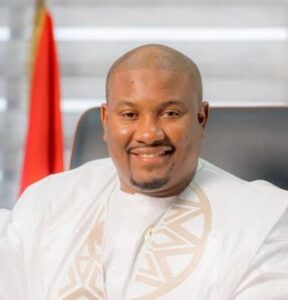
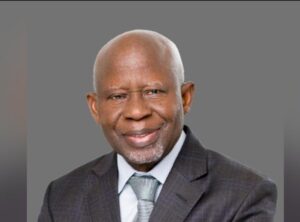
When asked who they would vote for if the election were held today, 32 percent of respondents chose President Barrow, followed by UDP leader Ousainou Darboe with 25 percent and Talib Bensouda of the United Party with 19 percent. Seventeen percent of respondents remained undecided.
The findings showed a significant gap between Barrow’s current voting intention and his perceived electability. While 32 percent said they would vote for him, 51 percent believed he was the candidate most likely to win, giving him a 19-percentage-point electability advantage.
Darboe recorded 25 percent in voting intention against 23 percent in perceived electability, while Bensouda registered 19 percent voting intention compared with 12 percent who considered him most likely to win.
The second-round findings also indicated increased support for President Barrow seeking a third term, rising by 11 percentage points to 46 percent compared with the first round.


Direct voting intention for Barrow similarly increased by 11 percentage points between the two rounds.
The poll points to a competitive opposition field, with no single challenger matching Barrow’s perceived chances of winning.
Meanwhile, confidence in a proposed coalition involving Bensouda, Essa Mbaye Faal and Mama Kandeh declined significantly, falling from 55 percent in the first round to 36 percent in the second.
NPP Reacts
The president of the National People’s Party (NPP) student wing, Yusupha Tunkara, has welcomed the latest poll findings, saying they demonstrate growing support for President Barrow ahead of the December election.
Tunkara described the results as a “clear sign” that Gambians were supporting the incumbent and his political alliance, citing what he described as the administration’s record in maintaining stability, developing infrastructure and promoting economic recovery.
“This poll confirms what we see every day on the streets and on our campuses: Gambians want continuity,” Tunkara said.
He added that voters were looking for stability and progress, arguing that President Barrow’s administration had delivered peace and was rebuilding the economy.
Tunkara also welcomed the timing and methodology of the Gambia Participates survey, saying it reflected the views of voters in both urban and rural constituencies.
“The results are not a surprise to those of us who have been campaigning around the clock,” he said, adding that young people, women and small business owners were expressing confidence in the direction of the government.
President Barrow, who was first elected in 2016 and re-elected in 2021, has faced criticism from opposition parties over the cost of living and governance issues.
Tunkara, however, argued that the administration’s achievements in infrastructure, public sector reform and regional diplomacy were resonating with voters.
The December 2026 presidential election is expected to feature a competitive field as political parties and alliances intensify preparations for the polls.