


By Haruna Kuyateh
Farmers in the North Bank Region have raised concerns over the shortage of NPK 15-15-15 fertilizer, with the price of a 50kg bag reportedly increasing from about D1,100 to D2,000 in some areas.
Farmers commended the Ministry of Agriculture, Livestock and Food Security and the National Food Security, Processing and Marketing Corporation (NFSPMC), formerly the Gambia Groundnut Corporation (GGC), for the timely distribution of subsidised fertilizer at the beginning of the farming season.
The subsidised fertilizer is intended exclusively for use by Gambian farmers and is not permitted to be exported or transported across the country’s borders.
The reported shortage of NPK 15-15-15 has surprised farmers, who said adequate quantities had initially been supplied to fertilizer agents across the region.
Urea fertilizer remains available to groundnut farmers, with a reported price of about D1,100 per bag.
Farmers and fertilizer agents attributed the sharp increase in the price of NPK to shortages and alleged hoarding by some farmers and agents.
They warned that the situation could negatively affect agricultural production, particularly for farmers unable to afford the higher prices. Some farmers, they said, have been forced to reduce or abandon the recommended application of fertilizer on their farms.
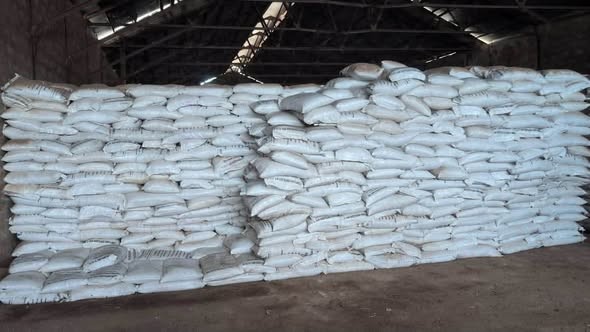
At the Kerewan depot, NPK 15-15-15 was reportedly no longer available after supplies to agents were exhausted, while Urea remained available.
Some farmers and agents were also reportedly selling fertilizer sourced from Senegal at prices of up to D2,400 per bag.
Farmers who spoke about the issue said the subsidised fertilizer supplied in The Gambia was of good quality and had contributed significantly to improving crop production.
During an inspection of fertilizer depots in Barra, Kerewan and Kuntaur, Agriculture Minister Dr Demba Sabally warned against the illegal transportation of subsidised fertilizer across the country’s borders.
He stressed that the fertilizer was intended exclusively for Gambian farmers and should be used on farms within the country.
Minister Sabally urged citizens to remain vigilant and prevent the diversion of subsidised agricultural inputs, noting that the government had invested substantial resources to make fertilizer affordable and accessible to farmers.
He warned that the smuggling of fertilizer deprives Gambian farmers of inputs intended to increase agricultural production and strengthen national food security.
Women farmers in the region also expressed appreciation for the government’s continued support to the agricultural sector, particularly the provision of subsidised fertilizer and other farming inputs.
They said timely access to affordable agricultural inputs was essential to improving productivity and strengthening the livelihoods of farming communities.
The fertilizer shortage has renewed calls for closer monitoring of the distribution and sale of subsidised fertilizer to ensure that the inputs reach their intended beneficiaries and remain available at government-approved prices throughout the farming season.
As both a journalist and farmer, the writer also experienced the challenges associated with accessing NPK fertilizer during the current farming season, highlighting the need for continued monitoring of supply, pricing and distribution.