


By Yunus S. Saliu
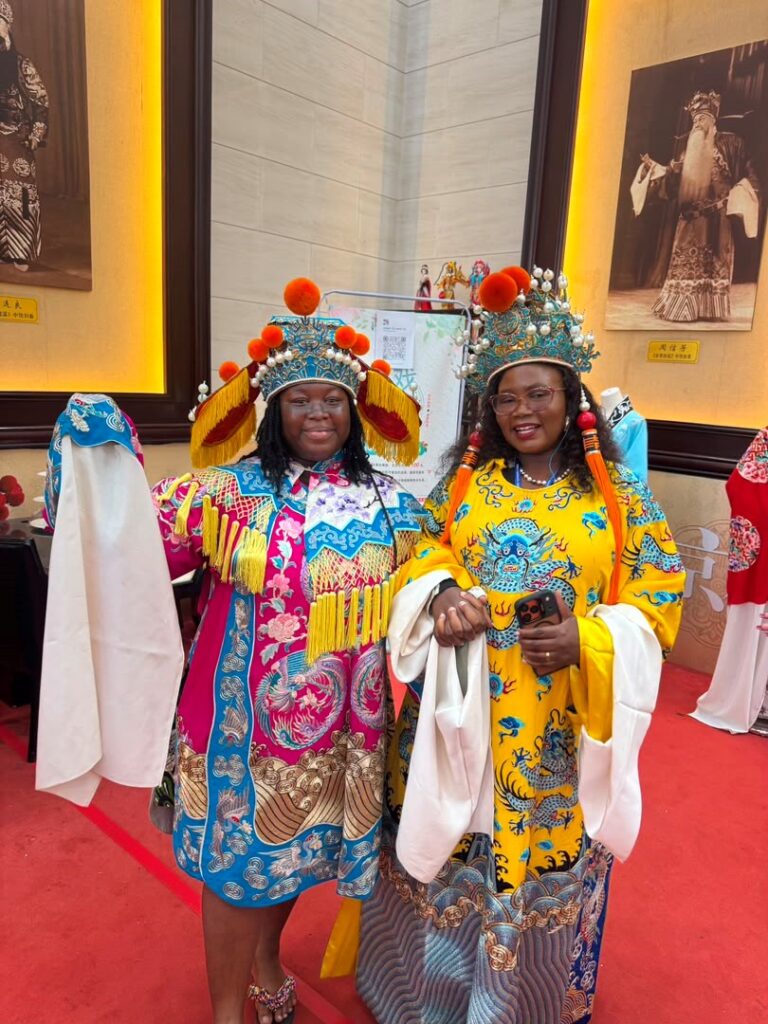
Six women delegates from the National Centre for Arts and Culture (NCAC) have completed a two-week seminar on digital technology empowerment and innovative communication of Chinese intangible cultural heritage (ICH) in Beijing, China.
The seminar, held from 15 to 28 July, focused on empowering women through digital technology in cultural heritage work, promoting innovative approaches to communicating intangible cultural heritage and strengthening international cultural exchange.
The Gambian delegation comprised ICH facilitators and community representatives who participated in classroom sessions, practical activities and field visits aimed at enhancing their knowledge of ICH safeguarding, promotion and communication.
Speaking about their experience after returning from China, Rohey L. Ceesay, head of the delegation, said the program combined classroom learning with practical field experiences.
She said the participants visited museums, bookstores, universities and other cultural institutions, including China Women’s University in Beijing and China Foreign Studies University in Tianjin.
“During the seminar, we were exposed to essential digital tools for safeguarding and promoting ICH and learned about women’s empowerment in cultural leadership and how it enhances sustainability,” Ceesay said.
She added that the participants also learned about integrating intangible cultural heritage into education as a means of raising awareness among young people from an early age.
According to Ceesay, the seminar provided valuable insights into how cultural heritage was integrated into everyday life in China.
She noted that elements such as clothing designs could represent aspects of cultural heritage, while museums located within or near universities helped make heritage more accessible to students and strengthened the link between cultural heritage and education.
Ceesay called on NCAC management to consider the recommendations and lessons learned during the seminar and explore ways of incorporating them into the centre’s cultural heritage programs.
On behalf of the delegation, she expressed appreciation to NCAC management and staff for recognising their potential and nominating them to participate in the international seminar.
She said the programme enabled the participants to acquire new knowledge and broaden their understanding of intangible cultural heritage beyond their usual working environment.
Ceesay also expressed gratitude to the Embassy of the People’s Republic of China in The Gambia for sponsoring the participants and facilitating their participation in the seminar.