


By Fatou Krubally
Gambian artists and performers are set to benefit from stronger intellectual property protection following the unanimous ratification by the National Assembly of the ‘Beijing Treaty’ on Audiovisual Performances on Monday.
The treaty, adopted in 2012, provides legal protection for performers whose performances are incorporated into audiovisual works, including films, television programs and other recorded productions.
It grants performers economic and moral rights over their performances, including rights relating to reproduction, distribution, commercial rental and making performances available to the public.
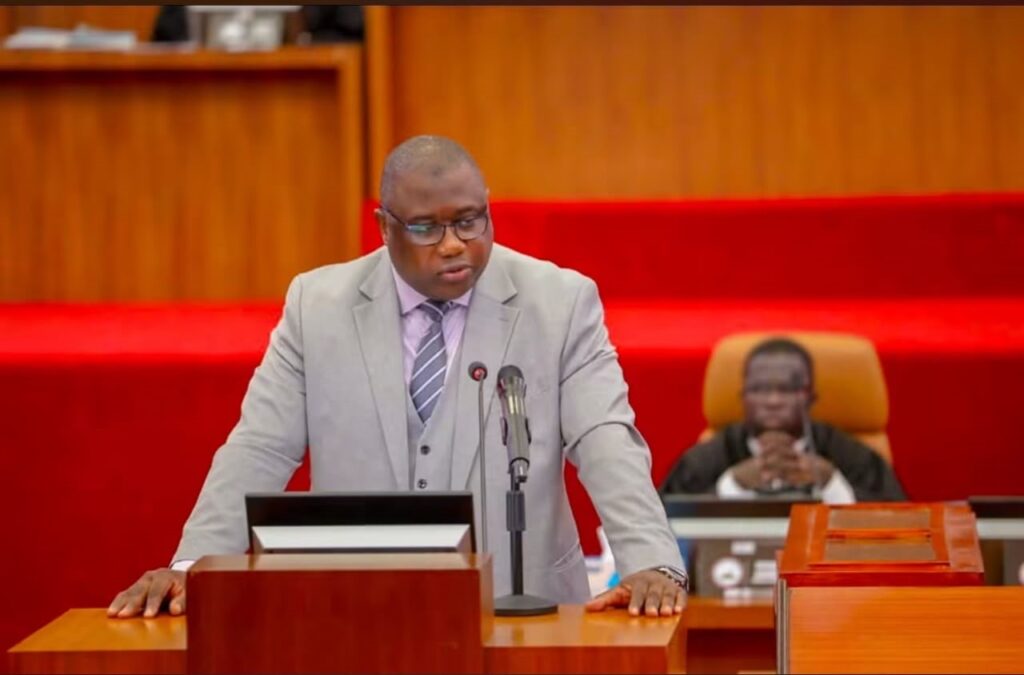
Moving the motion for ratification, Attorney General and Minister for Justice Dawda A. Jallow said the treaty would strengthen the protection of performers, including actors, musicians, dancers and others whose performances form part of audiovisual productions.
He said ratification would provide a modern international framework for safeguarding the economic and moral interests of performers while supporting the development of the country’s creative sector.
Several lawmakers welcomed the treaty, highlighting challenges faced by Gambian artists whose music, performances and other creative works are reproduced or distributed without proper compensation.
They also stressed the importance of strengthening intellectual property protection in the digital age, where creative works can be easily reproduced, shared and accessed across borders through the internet and social media.
However, lawmakers raised questions about the compatibility of the treaty with existing Gambian copyright legislation and its enforcement, particularly in relation to young and independent creators.
Responding to the concerns, Jallow said Article 12 of the treaty leaves certain matters to national legislation.
He said the government was currently reviewing the Intellectual Property Act and working towards consolidating intellectual property laws into a single comprehensive piece of legislation.
The Attorney General said the domestic legal framework would determine how the treaty’s provisions are implemented, including issues relating to the transfer of rights and contractual arrangements between performers and producers.
The treaty also provides performers with moral rights, including the right to be identified as the performer and to object to certain distortions or modifications of their performances that could harm their reputation.
With the unanimous approval of the National Assembly, The Gambia has taken a significant step towards strengthening legal protection for performers whose work is incorporated into audiovisual productions.