


By Haddy Touray
The Gambia Information Commission has called for greater access to accurate, reliable and timely information, warning that misinformation and disinformation could undermine public trust and social cohesion ahead of the country’s December 2026 presidential election.
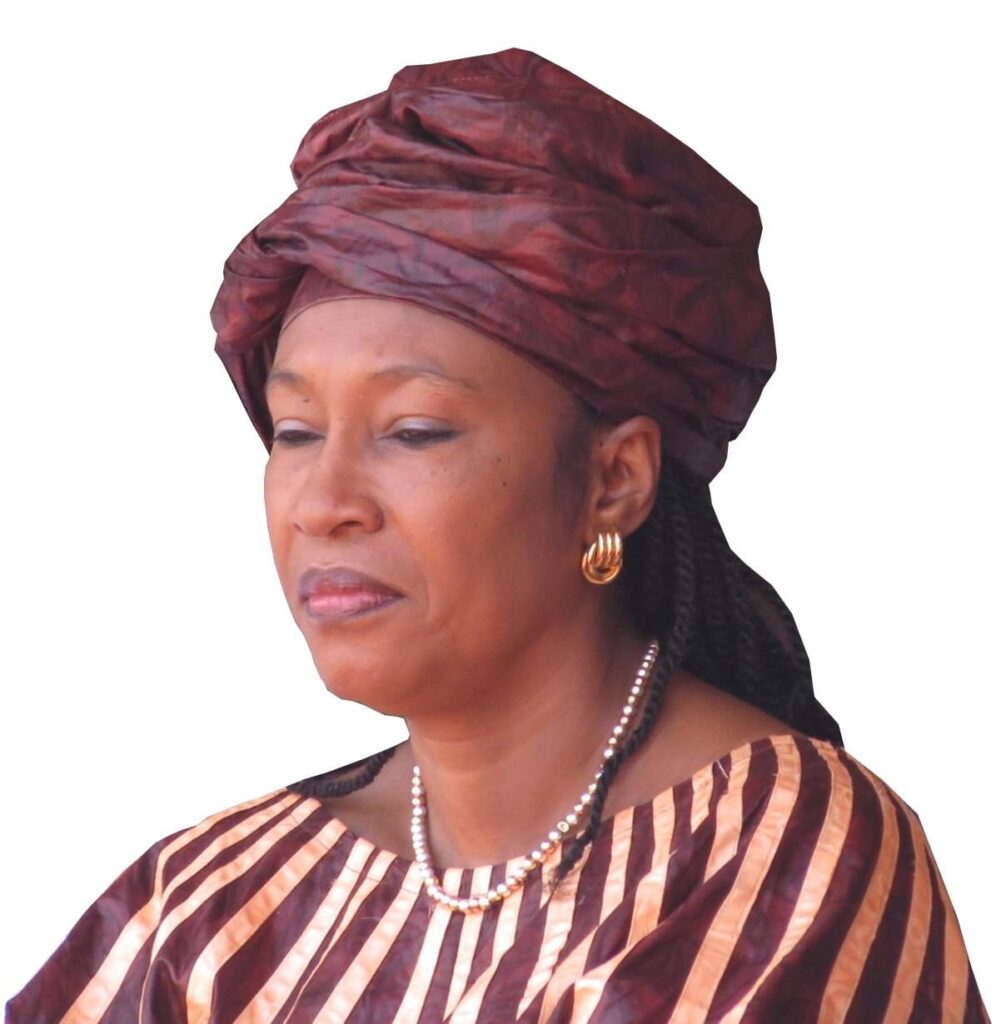
Information Commission Chairperson Neneh MacDouall-Gaye made the call Sunday in a statement marking the International Day for Universal Access to Information (IDUAI), observed annually on September 28.
This year’s commemoration is being held under the theme: “Upholding Information Integrity in the Digital Age: The Role of Access to Information in Addressing Information Disorder.”
MacDouall-Gaye said the theme was particularly relevant as misinformation and disinformation continued to spread rapidly through digital platforms.
“We live in an age where misinformation and disinformation can spread with a single click,” she said, noting that while digital connectivity had created new opportunities for democratic dialogue, it had also accelerated the spread of rumours, manipulated media, inflammatory claims and unverified information.
She warned that during elections, unchecked misinformation could mislead citizens, deepen divisions, undermine social cohesion and erode confidence in democratic institutions.
“As The Gambia heads towards the polls, the need for credible and verifiable information is critical,” MacDouall-Gaye said.
She stressed that promoting information integrity required election authorities, public institutions, journalists, observers and citizens to have access to reliable information and the ability to verify it.
According to her, accurate and accessible information makes it easier for citizens and institutions to identify and counter rumours and false claims.
MacDouall-Gaye also reaffirmed the Commission’s commitment to ensuring that the right to access information becomes a practical reality for citizens across the country.
She recalled that The Gambia enacted the Access to Information (ATI) Act in 2021 and established the Information Commission in 2024 to oversee the implementation of the law.
She said effective implementation required all stakeholders, including information holders, citizens seeking information and the relevant oversight authorities, to fulfil their respective responsibilities under the law.
However, she acknowledged that implementation of the ATI Act had faced challenges, particularly for a relatively new institution and legal framework.
MacDouall-Gaye identified public awareness and sensitisation as key to the effective implementation of the law.
“Citizens cannot fully exercise their right to access information if they are unaware that such a right exists or do not understand the procedures for requesting and receiving information,” she said.
She added that information holders also needed to understand their responsibilities under the law, including the obligation to provide information upon request and, where applicable, proactively disclose information.
The Commission chairperson said resource constraints had been a major challenge throughout 2025 and much of 2026 but maintained that the institution had continued to make progress in implementing its mandate.
She said the Commission had conducted awareness-raising and sensitisation activities across the country’s regions while engaging public institutions on their responsibilities under the ATI law.
MacDouall-Gaye said access to information was not merely a legal or bureaucratic issue but a fundamental human right and an important tool for institutional accountability and citizen participation in governance and national development.
She cited Article 19 of the International Covenant on Civil and Political Rights, adopted in 1966, which recognized the right to seek, receive and impart information and ideas through any media.
She also recalled that UNESCO proclaimed September 28 as the International Day for Universal Access to Information in 2015, with the United Nations General Assembly subsequently recognising the observance in 2019.
MacDouall-Gaye said proactive disclosure of relevant and accurate information by public institutions could help strengthen public trust by enabling citizens to understand how decisions were made, public funds managed and services delivered.
She thanked the Gambian government, through the Ministry of Information, for its support and also acknowledged the contributions of the United Nations Development Programme (UNDP) in The Gambia, The Gambia Press Union, Gambia Participates and the Association of Non-Governmental Organisations.
She called on all stakeholders to continue working together to promote transparency, accountability and responsible access to information in The Gambia.