


By Dawda M. Jallow
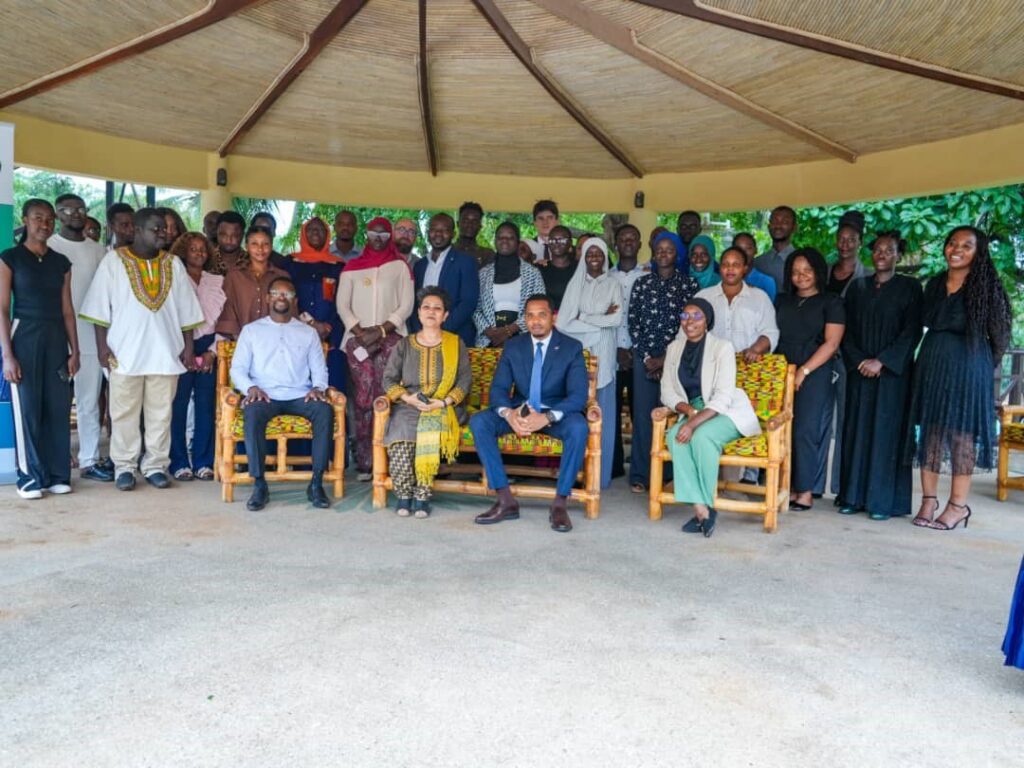
The Institute for Human Rights and Development in Africa (IHRDA), in collaboration with UNICEF and the Gambia Press Union (GPU), on Tuesday began a two-day training workshop aimed at strengthening journalists’ capacity to report on children’s rights and promote ethical, child-centred journalism.
The workshop, held at the Senegambia Hotel, brought together media practitioners to discuss responsible reporting on issues affecting children and the role of the media in promoting and protecting children’s rights.
Speaking at the opening ceremony, IHRDA Executive Director Dr Musa Kika underscored the important role of the media in promoting human rights and child protection.
He said the media was not only a partner in disseminating information but also served as a public record and repository of information.
Kika also highlighted the media’s role as a platform for advocacy, noting that what journalists report and how they report it can shape public discourse and influence public policy.
“The main goal that this training seeks to achieve is to encourage child protection reporting. We want journalists to speak more on what is happening to our children,” he said.
He assured journalists of IHRDA’s continued support, saying the organisation remained available to provide assistance within its mandate and capacity.
UNICEF representative Nafisa Binte Shafique described the media as a powerful force in shaping society, saying journalists’ voices, pens, microphones, cameras and platforms could influence how people think and act.
She said journalists were trusted by communities to provide credible information, explanations and perspectives, adding that a single story could trigger national conversations, influence policy and inspire action.
Shafique cited the media’s role during debates surrounding the ban on female genital mutilation (FGM) as an example of the influence journalists could have on public discourse.
She said the workshop provided an opportunity not only to strengthen journalists’ professional skills but also to contribute to building a culture of ethical and child-centred journalism in The Gambia.
She added that discussions from the training would contribute to the development of a media guide on children’s rights to help integrate the principles into journalists’ everyday professional practice.
Shafique urged journalists to use their platforms responsibly and compassionately while protecting children’s dignity and amplifying their voices.
She also noted that the growth of social media had enabled stories to travel farther and faster, creating additional responsibility for journalists and media users to inform rather than inflame and educate rather than mislead.
Information and Broadcasting Services Minister Dr Ismaila Ceesay said discussions about children were ultimately discussions about society’s future and its responsibility to protect vulnerable members.
He said media platforms could give children a voice, expose abuse and draw attention to issues such as exploitation, trafficking, violence and discrimination.
However, Ceesay cautioned that media platforms could also cause harm when used irresponsibly.
He said careless headlines could expose children’s identities, while photographs and sensational reporting could affect their privacy, dignity and wellbeing.
“Ethical reporting on children is a matter of protecting his or her rights, dignity and human life,” he said.
The minister urged journalists to assess whether a story was genuinely in the public interest or merely intended to satisfy public curiosity, stressing that reporting on children should always be guided by the best interests of the child.
GPU President Isatou Keita thanked UNICEF for supporting the workshop, saying the training would help journalists strengthen their understanding of children’s rights and ethical reporting.
She stressed that children were rights-holders and citizens, rather than merely subjects of media reports.
“Tell stories that expose injustice, but also stories that reveal solutions. Celebrate progress. Highlight resilience and achievement. Give children safe and meaningful opportunities to express their views,” she said.
Keita also urged journalists to protect children’s privacy and identities where necessary, seek informed consent and ensure that their reporting did not cause additional harm or trauma.
She said the media’s responsibility was to report the truth without adding anything that could expose children to further harm, noting that many Gambians relied on the media for information about child protection issues.
The two-day workshop is expected to strengthen journalists’ understanding of children’s rights and promote more ethical, responsible and child-sensitive reporting on issues affecting children in The Gambia.