


By: Haddy Touray
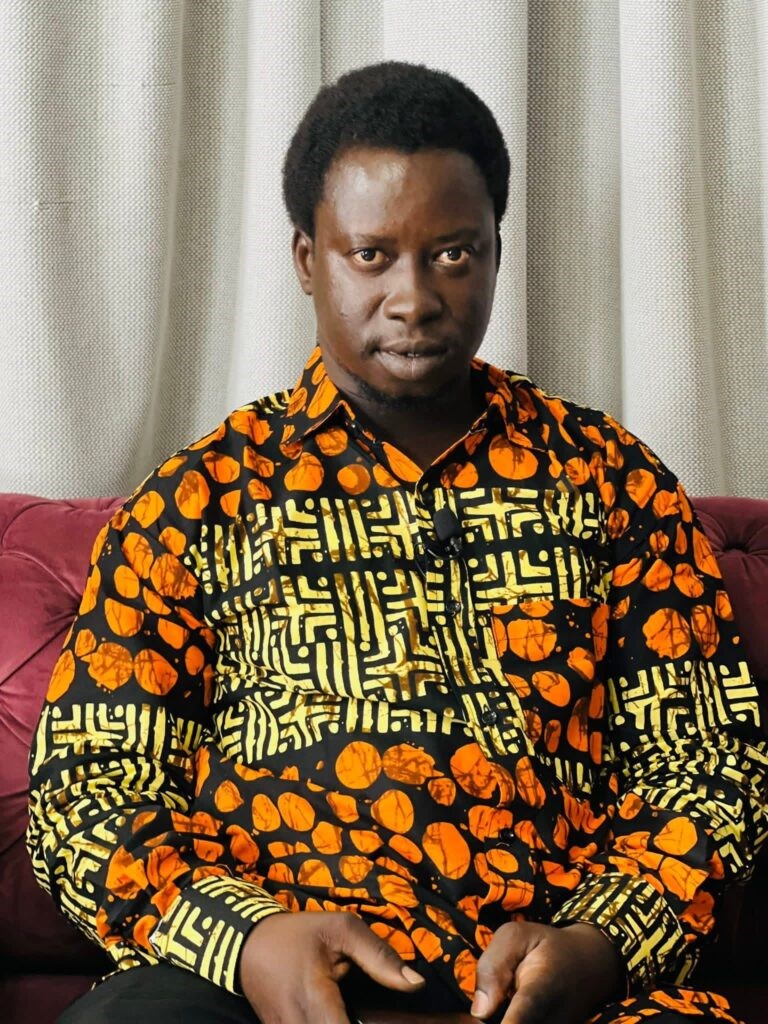
More than a year after The Gambia’s Access to Information Act came into force, its implementation remained largely ineffective, with many public institutions yet to comply with key provisions of the legislation, Gambia Press Union (GPU) Secretary General Modou S. Joof has said.
Speaking on QTV on Wednesday, Joof said most government institutions have failed to appoint designated information officers as required under the Act to facilitate public access to official information.
He said the legislation, whose enactment was strongly supported by the GPU, was intended to promote transparency, accountability and citizens’ right to access public information.
To illustrate the implementation challenges, Joof said he recently submitted information requests to two government ministries but received neither the requested information nor an acknowledgement of receipt within the 21-day period stipulated by the law.
“There was not even an acknowledgement. After 21 days, they didn’t provide the information. That amounts to an outright refusal,” he remarked.
Joof described denial of access to public information as a violation of a fundamental right and encouraged Gambians to challenge such refusals through the courts.
He cited Nigeria as an example where court action has contributed to strengthening compliance with access to information legislation.
According to Joof, the GPU has continued to support implementation of the law through advocacy programmes and participation in technical committees alongside the Information Commission.
He disclosed that a new programme supported by the United Nations Development Programme (UNDP) was expected to enhance enforcement of the legislation.
On press freedom, Joof said journalists in The Gambia have not experienced recent physical attacks but warned that online harassment remained a major concern, particularly for those reporting on political affairs.
He says although the GPU’s primary mandate is to protect journalists working with recognised media organisations, the union also defends the right to freedom of expression for all citizens.
Joof discloses that the GPU is training social media influencers on responsible online engagement, including combating hate speech and misinformation, ahead of the 2026 presidential election.
“We are not leaving anyone behind,” he said.
He added that every reported case involving attacks on press freedom or violations of freedom of expression was investigated, documented and included in the GPU’s annual submissions to the African Commission on Human and Peoples’ Rights.
Joof said the union had conducted about five journalist safety training programmes over the past year, covering physical security, digital safety and Hazardous Environment Awareness Training (HEAT) to prepare media practitioners for the risks associated with election coverage.
He noted that many past attacks on journalists in The Gambia had been carried out by political party supporters and, in some cases, members of the security forces.
To address the problem, he said the GPU had engaged political parties and the Gambia Police Force, resulting in commitments to improve the protection of journalists during the electoral period.
According to Joof, political parties have agreed to include journalist safety provisions in their election codes of conduct, while the police have established communication channels with the GPU to facilitate the reporting and prompt handling of incidents involving media practitioners.
“You can’t invite journalists to a press conference or political rally and allow your own people to harass and intimidate them,” he said, stressing that political leaders are responsible for the conduct of their supporters.
Joof further disclosed that the GPU had published a journalist safety toolbox containing practical guidance on physical, digital and editorial security. The publication, developed by the Media Academy for Journalism and Communication, was intended to help journalists assess risks and respond effectively while on assignment.
He also urged media organisations to prioritise the safety of journalists over the pursuit of exclusive stories.
“The story is not more important than your life,” he said, advising reporters to avoid placing themselves in volatile situations where tensions could escalate.
Reflecting on the 2021 presidential election, Joof said the GPU’s engagement with political actors and security agencies contributed to a safer environment for journalists, noting that only one journalist was assaulted by political party supporters during the election period, while no attacks by security personnel were recorded.