


By Binta Jaiteh
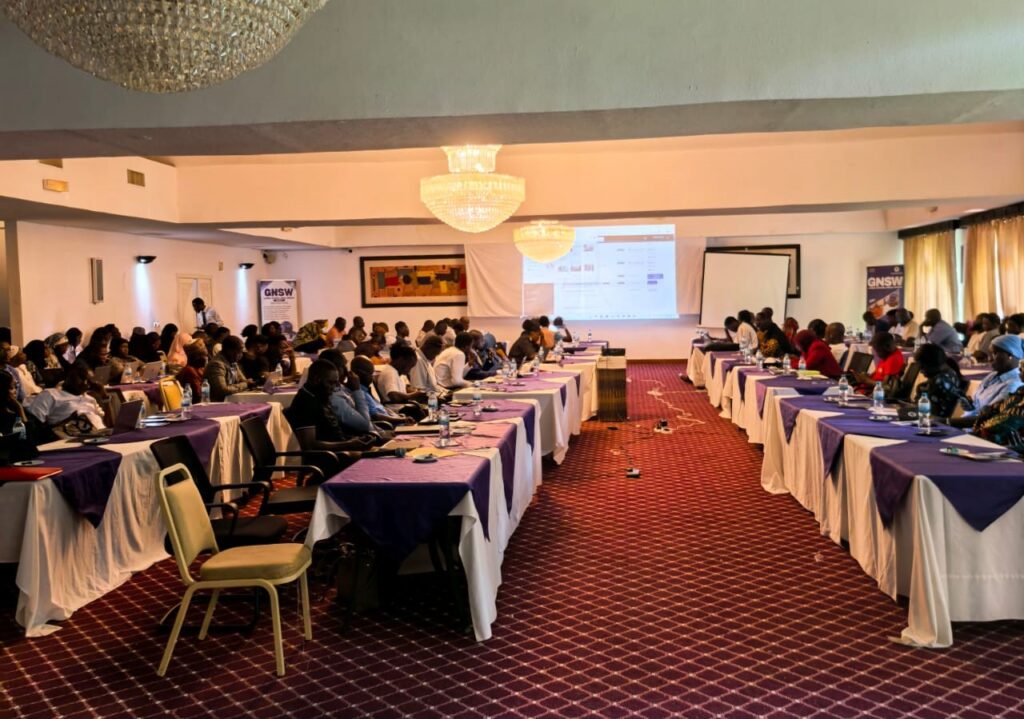
The Gambia Government on Tuesday started a two-day training workshop on the Digital Duty Waiver Application System held at Atlantic Hotel in Banjul.
The workshop was jointly organized by the Ministry of Finance and Economic Affairs (MoFEA), the Gambia Revenue Authority (GRA) and the Gambia National Single Window (GNSW).
The training focused on the newly introduced digital platform for processing duty waiver applications through the SmartPort System.
Speaking at the opening ceremony, Ansumana Sanneh, Deputy Permanent Secretary at the Ministry of Finance and Economic Affairs, said the Gambia National Single Window had introduced the digital system as part of efforts to modernize public administration and improve service delivery.
Mr. Sanneh said the duty waiver application process had previously relied largely on manual submissions and the physical movement of documents among applicants, ministries and other institutions involved in reviewing applications.
He described the digital system as an important step towards improving the efficiency, transparency and accessibility of the duty waiver application process.
Musa Saidykhan, Director of ICT and Digitalization and Project Manager of the Gambia National Single Window, commended the Ministry of Finance and Economic Affairs for its leadership, guidance and commitment to advancing the digital transformation of government services.
He said the ministry’s support had been instrumental in the introduction and implementation of the digital duty waiver application system.
“Duty waivers play a significant role within the government’s fiscal and economic management framework. They support critical government programs, facilitate investment and contribute to broader economic development,” Mr Saidykhan remarked.
He noted however that the effectiveness of the duty waiver regime depended not only on a strong policy and legal framework, but also on efficient implementation.
According to Mr Saidykhan, digitalization could significantly improve the visibility and traceability of applications while reducing the movement of physical documents.
For his part, Essa Wally, President of the Association of Customs Clearing and Forwarding Agents, said clearing and forwarding agents occupied a critical position at the intersection of international trade, logistics and government revenue collection.
“We are a vital bridge between importers, government authorities and port operations. When logistics run smoothly, trade flourishes, businesses grow and the national economy thrives,” Mr Wally emphasized.
He said misunderstandings over duty waivers and tax exemptions could affect the entire supply chain, noting that while duty waivers were designed to incentivize investment, support charitable and development initiatives and promote strategic sectors, navigating the application process could be complex and time-consuming.
Mr Wally pointed to incomplete documentation, misunderstandings over eligible categories and procedural delays as some of the factors that could slow cargo clearance, resulting in demurrage costs and tying up valuable resources.
He expressed optimism that the introduction of the digital duty waiver system by the Gambia National Single Window would help address some of those challenges.
He disclosed that participants would be sensitized to the system’s application requirements, submission and processing procedures, as well as the various stages of the duty waiver application process.
Prince Adjei Amofa, IT Manager at the Gambia National Single Window, highlighted the significance of the Digital Duty Waiver Application System, saying it was designed to improve the efficiency of the application process.
Mr Amofa said the system was developed through consultations with stakeholders involved in the duty waiver application process.
“The duty waiver system was not developed in isolation. Its development was supported by the Ministry of Finance and Economic Affairs and informed by consultations with the relevant ministries, departments and agencies, as well as other stakeholders,” he noted.
He added that stakeholders’ input was important in ensuring that the system reflected the requirements and realities of the duty waiver process.
According to Mr Amofa, the collaborative approach provided a strong foundation for the system to continue evolving in response to the needs of its users and the wider trade community.
He further noted that the Digital Duty Waiver Application System was one of several digital reforms being undertaken by the Gambia Revenue Authority through the Gambia National Single Window.
The workshop also provided participants with practical guidance on navigating and using the digital platform, including application requirements, submission procedures and the processing stages.