


By: Fatou Krubally
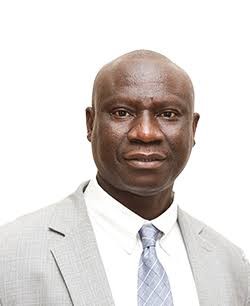
The Central Bank of The Gambia (CBG) has recovered the full US$19 million it previously lent to the government to settle an urgent financial obligation, Governor Buah Saidy has confirmed.
Saidy made the disclosure during the Monetary Policy Committee press briefing on Thursday, explaining that the loan was repaid from the World Bank budget-support funds after the money was transferred to the country.
The Governor said the Central Bank had provided the funds to help government settle an outstanding obligation after CARPOWER left the country and payment became due.
According to Saidy, the World Bank had committed to providing budget support to settle the liability, but the disbursement was dependent on The Gambia meeting conditions under its programme with the International Monetary Fund. Because the payment was needed before the World Bank funds arrived, government approached the Central Bank for assistance.
Saidy said the Central Bank Board considered the request and approved the loan after verifying with the World Bank and IMF that the amount would form part of the eventual budget support.
He said an agreement was subsequently signed with the Ministry of Finance and the Accountant General’s Office to ensure that the Central Bank would recover its money once the World Bank funds were received.
“When the budget support money landed,” Saidy explained, the Central Bank deducted the US$19 million before the remaining funds were transferred to government.
He said the recovered amount is now part of the Central Bank’s foreign reserves, which stood at US$563.9 million at the end of July 2026, equivalent to 4.3 months of prospective imports.
Saidy stressed that the recovery was carried out in accordance with the legal arrangements governing the Central Bank’s transaction with government.
The disclosure came as the MPC maintained the Monetary Policy Rate at 14 percent, citing continued inflationary risks despite a recent decline in headline inflation.
Inflation fell from 7.6 percent in June to 7 percent in July, but the Governor said the Central Bank remains cautious because transport and energy costs continue to pose risks to the inflation outlook.
The Governor also addressed concerns over government’s rising domestic debt, which increased from D51.99 billion at the end of 2025 to D55.43 billion by June 2026.
He acknowledged that government borrowing could crowd out private-sector investment and influence inflation through its effect on aggregate demand. However, he explained that much of the short-term borrowing was being used to smooth government operations while awaiting budget-support disbursements from development partners.
Saidy said the Central Bank uses monetary-policy instruments, including open market operations, to absorb excess liquidity in the financial system during such periods.
Meanwhile, the Governor warned that The Gambia’s continued dependence on imports remains a structural pressure on the Dalasi, arguing that greater domestic production and exports are necessary to strengthen the currency over the long term.