



By Bakary Ceesay
STUTTGART, GERMANY-
The inclusion of Gambian-born cultural promoter Christopher Mendy, widely known as Chris Black, in an exhibition at Stuttgart’s StadtPalais – Museum für Stuttgart marks a significant recognition of the growing contribution of African diaspora communities to Germany’s cultural landscape.
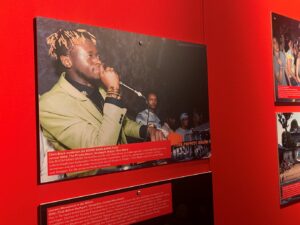
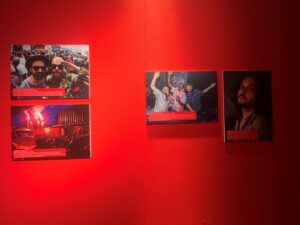
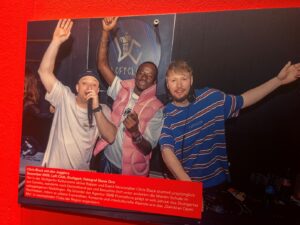
The exhibition, which documents the evolution of Stuttgart’s multicultural identity, features photographs and archival material highlighting Mendy’s work in promoting African music and cultural exchange over more than a decade. His inclusion in the museum’s collection reflects the increasing acknowledgement of diaspora-led initiatives in shaping the social and cultural fabric of European cities.
For Mendy, founder and Chief Executive Officer of GMB Promotions, the recognition represents more than a personal achievement.
“It is deeply meaningful because museums preserve history,” he said. “Knowing that our work is considered part of Stuttgart’s cultural story shows that African communities are helping shape the future while becoming part of the historical record.”
The recognition comes at a time when African music and culture have gained unprecedented global visibility, driven largely by the international success of genres such as Afrobeats and Amapiano. While artists have enjoyed growing international acclaim, industry observers note that promoters, organisers and cultural entrepreneurs have played an equally important role in creating platforms that introduce African talent to new audiences.
A journey rooted in The Gambia
Born and raised in The Gambia, Mendy’s early exposure to music and community gatherings shaped his understanding of culture as a unifying force.
Like many Africans who migrated to Europe in search of new opportunities, he arrived in Germany carrying both professional ambitions and a determination to preserve the cultural traditions that defined his upbringing.
Settling into a new environment presented considerable challenges. Although African music had begun attracting international interest, dedicated platforms showcasing its diversity remained relatively limited in Germany.
Rather than waiting for opportunities to emerge, Mendy decided to create them.
Beginning with modest community events, he gradually developed what would become GMB Promotions, an organisation dedicated to connecting African artists with European audiences while strengthening cultural ties between Africa and Europe.
“I always believed music could bring people together,” he recalled. “It doesn’t matter where you come from or what language you speak. When people dance together, barriers disappear.”
That philosophy has remained central to his work and continues to define the company’s approach to event management and cultural programming.
Building a cultural enterprise
Over the years, GMB Promotions has evolved into one of Germany’s recognised promoters of African entertainment and cultural events.
The company has organised concerts, festivals, club events, artist tours and cultural showcases featuring performers from Africa, Europe and the Caribbean.
Its programmes have presented internationally recognised artistes alongside emerging performers, providing new talent with opportunities to access wider audiences while strengthening professional links within the entertainment industry.
Although music remains the central attraction, many of the events have developed into broader cultural gatherings where entrepreneurs, artists, students, professionals and community leaders meet to exchange ideas, establish partnerships and celebrate African identity.
According to organisers, such gatherings have contributed to strengthening social cohesion within diaspora communities while promoting intercultural dialogue with German audiences.
Industry analysts say promoters capable of navigating both African creative industries and European event standards have become increasingly important as African music expands into mainstream international markets.
Mendy’s understanding of both environments has enabled him to occupy a unique position within that growing sector.
Recognition beyond the entertainment industry
Among the accolades Mendy has received is the Best African Events Organiser in Germany award, recognising his contribution to promoting African entertainment and culture.
However, his inclusion in the StadtPalais museum exhibition is widely regarded as an even more distinctive honour because it places his work within the broader historical narrative of Stuttgart’s multicultural development.
The museum exhibition documents how communities from different parts of the world have contributed to the city’s cultural evolution over several decades.
Photographs displayed in the exhibition capture concerts, cultural festivals, collaborations and community events organised under the GMB Promotions banner.
Rather than presenting entertainment merely as leisure activity, the exhibition demonstrates how cultural initiatives can influence urban identity, foster inclusion and preserve community history.
For museum visitors, the display offers insight into the role of African-led organisations in enriching Stuttgart’s cultural landscape.
It also reflects changing attitudes within European cultural institutions, which increasingly recognise the historical significance of migrant communities and their contributions to national life.

African music’s global transformation
The recognition coincides with a period of remarkable international growth for African music.
Over the past decade, Afrobeats, Amapiano and other African genres have moved from niche audiences to mainstream global markets.
African artists now headline major international festivals, collaborate with globally recognised performers and dominate digital streaming platforms.
This expansion has also increased demand for promoters capable of organising international tours and connecting African performers with audiences across Europe.
Observers note that the industry’s success extends beyond performers to include managers, promoters, producers and event organisers who have invested years in building professional infrastructure.
For Mendy, the rapid global acceptance of African music confirms what he has long believed.
His events have consistently featured a wide range of African musical traditions alongside Caribbean genres including Dancehall and Reggae, creating opportunities for cultural exchange while exposing diverse audiences to African creativity.
Rather than pursuing commercial success alone, he says his objective has been to present African culture authentically.
Each event, he argues, serves as an opportunity to celebrate heritage while encouraging understanding between communities from different cultural backgrounds.
Promoting community development
Those familiar with Mendy’s work describe GMB Promotions as more than an event management company.
Over time, it has developed into a cultural platform supporting networking, entrepreneurship and community engagement.
Its activities regularly bring together business owners, artists, academics, students and professionals who might otherwise have limited opportunities to interact.
Such networking has encouraged collaboration beyond the entertainment industry, contributing to broader community development.
The company has also supported emerging performers by providing professional stages alongside established artistes, enabling younger musicians to gain exposure before larger audiences.
According to cultural observers, these opportunities have helped strengthen the visibility of African creatives within Germany’s increasingly diverse cultural sector.
Expanding international partnerships
While Germany remains the company’s principal operational base, Mendy says future expansion will focus increasingly on strengthening partnerships across Europe and Africa.
Among his priorities are collaborations with festivals, tourism authorities, cultural institutions and international brands interested in promoting African creativity.
He also hopes to expand artist management services and develop larger festivals celebrating African music, fashion, film and entrepreneurship.
Such initiatives align with broader trends across Africa’s creative economy, which international institutions increasingly recognise as an important driver of economic growth, employment and cultural diplomacy.
Experts argue that cultural industries now represent one of Africa’s fastest-growing economic sectors, supported by digital technology and expanding international audiences.
Preserving diaspora history
Mendy believes cultural preservation should receive equal attention alongside entertainment.
He hopes to collaborate more closely with museums, educational institutions and cultural organisations interested in documenting the history of African diaspora communities in Europe.
His inclusion in Stuttgart’s museum exhibition demonstrates the growing willingness of cultural institutions to recognise community organisers whose work has traditionally remained outside formal historical records.
“It is about building lasting institutions that connect generations, celebrate our heritage and create opportunities for people who come after us,” he said.
For younger African entrepreneurs living in Europe, he believes such recognition sends an important message that leadership within the creative industries can be achieved through professionalism, persistence and community engagement.
Representation matters
Cultural experts argue that representation behind the scenes remains as important as visibility on stage.
While successful musicians often receive international attention, promoters, producers and organisers play essential roles in creating opportunities for artists and sustaining creative industries.
The museum’s recognition of Mendy therefore extends beyond an individual achievement.
It acknowledges the wider contribution of numerous African community organisers whose work has helped transform Europe’s cultural landscape over recent decades.
Such recognition also reinforces the principle that multicultural histories deserve preservation alongside more traditional historical narratives.
Looking ahead
Despite more than a decade in the industry, Mendy considers his career to be entering a new phase.
Future projects include expanding international artist management, strengthening cultural diplomacy initiatives and creating additional opportunities for emerging African creatives across Europe.
He also intends to deepen partnerships between African cultural organisations and European institutions to encourage greater artistic collaboration and educational exchange.
For him, success will not be measured solely by larger concerts or higher attendance figures.
Instead, he hopes to build sustainable institutions capable of connecting generations while preserving African cultural heritage for future audiences.
A legacy still unfolding
Few cultural promoters witness their professional achievements documented within museum exhibitions while remaining active in their careers.
For Mendy, the recognition serves not as the culmination of his work but as encouragement to continue expanding African cultural representation across Europe.
From his beginnings in The Gambia to becoming one of Germany’s recognised promoters of African entertainment, his journey reflects broader changes in the international cultural landscape.
As African music continues to gain global prominence, the institutions supporting that growth are also receiving increasing attention.
The exhibition at Stuttgart’s StadtPalais – Museum für Stuttgart illustrates how cultural entrepreneurship can contribute to social integration, historical preservation and intercultural understanding.
For visitors walking through the museum galleries, the photographs documenting Mendy’s work tell a story that extends beyond concerts and nightlife.
They demonstrate how culture is sustained not only by performers on stage but also by those working behind the scenes to create opportunities, preserve heritage and bring communities together.
As African creative industries continue to expand internationally, the story of Chris Black illustrates how individual initiative, community engagement and cultural entrepreneurship can contribute to lasting social impact, leaving a legacy that future generations can recognise, study and build upon.