


By Yunus S. Saliu
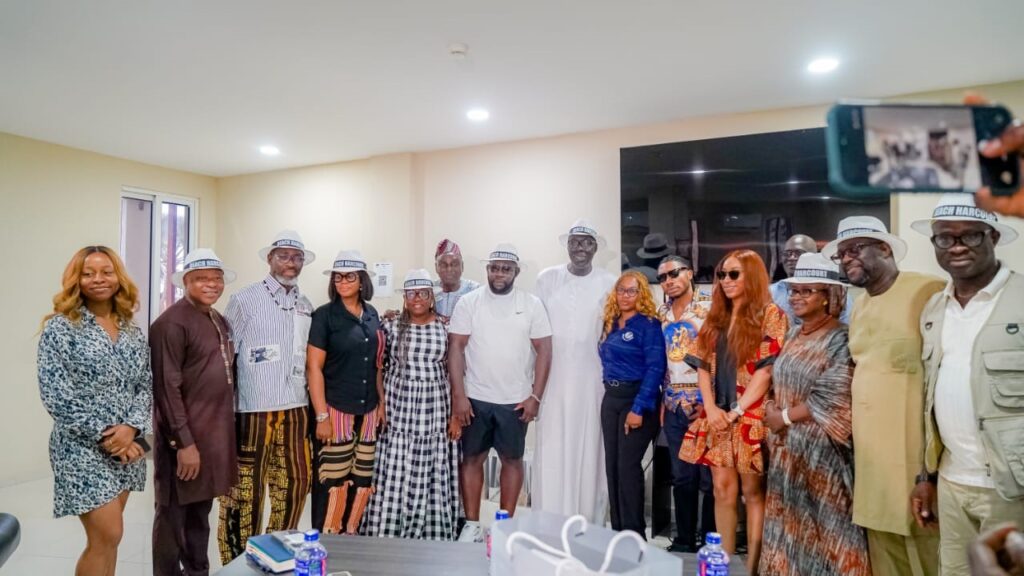
The Gambia is intensifying efforts to attract more Nigerian tourists and investors, with Tourism, Arts and Culture Minister Abdoulie Jobe on Friday, 18 September 2026, receiving members of Nigeria’s Beach Harcourt Club (BHC).
The visit is aimed at exploring stronger cooperation in tourism, investment and air connectivity while promoting people-to-people and business links between Nigeria and The Gambia, particularly between Port Harcourt and Banjul.
BHC, described by its representatives as more than a social or “party club”, is a Nigerian initiative focused on tourism advocacy, coastal development and community engagement.
The delegation was received by Minister Jobe at the Gambia Tourism Board (GTBoard) office in Kololi, where discussions focused on potential areas of cooperation and the establishment of a long-term partnership.
Welcoming the delegation, Jobe described the visit as an opportunity to strengthen tourism ties between The Gambia and Nigeria.
“Instead of knocking at your door, you came to us. So, it is our responsibility to embrace you and work with you to see how we can make it happen,” he said.
The minister said The Gambia had much to offer Nigerian visitors, including its beaches, hospitality, cultural attractions and culinary experiences.
He also called for stronger cooperation among tourism stakeholders across West Africa to promote intra-African travel, arguing that Africans should have greater opportunities to travel within the continent.
Jobe identified air connectivity as one of the major challenges to expanding tourism between African countries, saying airlines would only establish and sustain routes where sufficient passenger demand exists.
“Air access does not fall from the sky. You cannot just talk about air access. You have to create the demand,” he said.
He said visibility and demand creation must precede improved connectivity, adding that tourism stakeholders in both countries had a role to play in developing a market capable of sustaining direct air services.
Jobe also encouraged the Nigerian delegation to explore investment opportunities beyond tourism.
He said The Gambia had long recognised tourism as an important sector for investment and development, citing the Tourism Development Area, established in the early 1970s for tourism development, hotels and related infrastructure.
The minister further disclosed that, with support from the World Bank, the government had identified priority investment areas and developed pre-feasibility studies and cost estimates for potential investors.
He said the GTBoard could work with the Gambia Investment and Export Promotion Agency (GIEPA) to provide the delegation with information on investment opportunities in tourism and other sectors.
Jobe also highlighted investment incentives available under the country’s investment promotion framework and assured potential investors of the government’s willingness to engage with them.
Nigerian Delegation
Walter Aberepikima, President and Founder of Beach Harcourt Club, expressed the delegation’s interest in working with The Gambia to promote tourism, investment and stronger travel links between the two countries.
He identified direct air connectivity between Port Harcourt and Banjul as one of the key issues requiring attention.
Aberepikima also described hotels and tourism establishments as important platforms for promoting destinations internationally, saying the delegation was interested in developing partnerships that could benefit both countries.
Emuze Constance, Managing Director of Travel Fastr Tours and Logistics Ltd, thanked Minister Jobe and the GTBoard for receiving the delegation.
She said BHC members were interested in investment opportunities beyond tourism and were ready to share opportunities with Gambian businesses and explore joint initiatives.
Constance also suggested that some beach-related tourism activities successfully implemented in Nigeria could be adapted to the Gambian market.
GTBoard Director General Ida Jeng-Njie said the government was ready to engage Nigerian investors and tourism stakeholders.
She said The Gambia had identified six priority investment areas and developed strategies for their implementation, with opportunities available for further discussion.
On air connectivity, Jeng-Njie said some airlines had expressed interest in operating between Nigeria and The Gambia but stressed that sustainable passenger demand would need to be established.
“The main issue why you are here is for us to create the demand,” she said, adding that Gambian and Nigerian stakeholders needed to work together to promote the route and generate sufficient passenger traffic to make direct air services commercially viable.
Also speaking, Sheikh Tijan Nyang, co-founder of the Institute of Travel and Tourism of The Gambia (ITTOG) and BHC’s consultancy contact in The Gambia, said the delegation comprised professionals from different fields.
Nyang thanked the minister for receiving the delegation and said the visit was intended to expose its members to tourism and investment opportunities in The Gambia.
He said the group had been brought to the country through a travel agency promoting Destination Gambia and expressed hope that the visitors would return and encourage others to visit.
“This is a short visit, but I’m sure within this period they have seen a lot of things that they could invest in and make them come back again to The Gambia,” Nyang said.
He encouraged the visitors to use their stay to explore investment opportunities and engage tourism stakeholders on areas where they could contribute to the development and promotion of Destination Gambia.