


By: Dawda M. Jallow
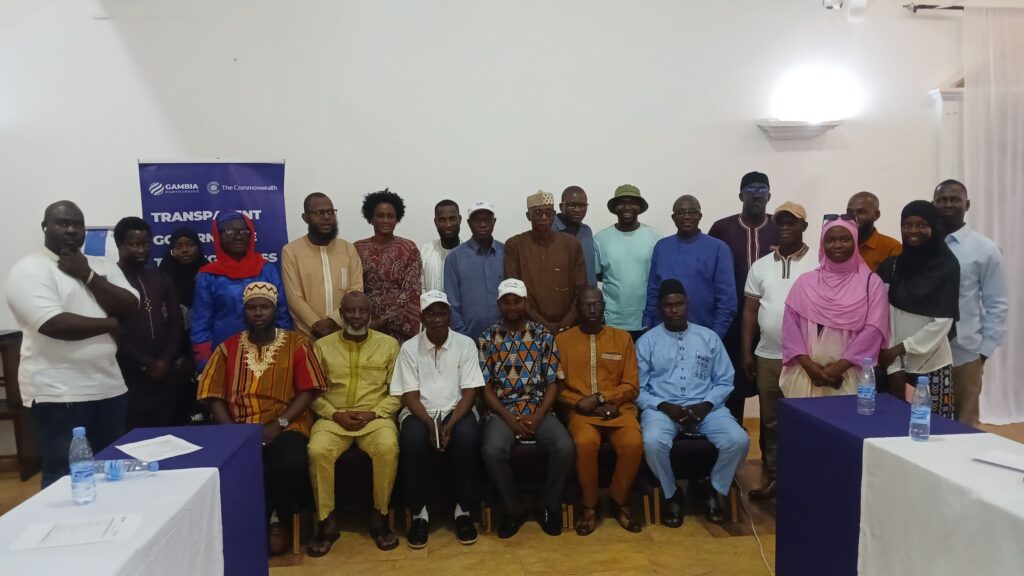
Gambia Participates Saturday convened a policy dialogue to review media laws and advocate reforms aimed at strengthening press freedom and public access to information.
The meeting, held at the Coconuts Resilience Hotel, brought together members of the National Assembly’s Human Rights and ICT committees, representatives of the Gambia Press Union (GPU), journalists and civil society organizations.
Speaking on behalf of the Executive Director of Gambia Participates, National Assembly Member for Serrekunda West, Madi Ceesay, said the dialogue was intended to promote engagement between lawmakers and stakeholders on existing and proposed media laws, as well as constitutional provisions governing journalism and access to information.
He said such engagements provide legislators with a better understanding of the issues before parliament, particularly for members who do not specialize in media and communications matters.
“Dialogues like this enrich our understanding of the bills before us, especially for members who are not experts in these areas,” Ceesay said, while encouraging other civil society organizations to promote similar engagements with lawmakers.
Delivering a presentation, GPU Secretary General Modou Joof warned that some existing laws and proposed legislation could undermine press freedom and discourage public-interest journalism.
He criticized provisions on “false publication and broadcasting,” arguing that they criminalized inaccurate information without requiring proof of malicious intent or demonstrable harm. He noted that the provisions carry penalties of up to one year in prison, a fine of D50,000, or both.
Joof also expressed concern over aspects of the proposed cybercrime legislation, saying provisions creating offences related to “false news online” and expanding surveillance powers could threaten journalists’ ability to protect confidential sources due to limited judicial oversight.
He further criticized provisions of the Information and Communication Act, 2009, which he said grant broad interception powers without prior court authorization and empower the relevant minister to require service providers to facilitate lawful interception.
On proposed broadcasting and online content regulations, Joof cautioned against plans to register journalists and social media users with significant public influence, as well as proposals allowing content removal without court orders.
He argued that such measures could create a licensing system for journalism and negatively affect freelance and community reporters.
Participants at the dialogue emphasized that protecting press freedom and guaranteeing access to information are essential to democratic governance, accountability and public trust.
They called for continued consultations to ensure that any reforms produce clear and proportionate laws that protect freedom of expression while addressing genuine harms through judicial oversight and safeguards for journalists and their sources.