


By Yunus S Saliu
The Gambian government is seeking to diversify the country’s tourism products through ecotourism, culture, festivals, gastronomy and other initiatives aimed at attracting visitors to the regions and encouraging longer stays.
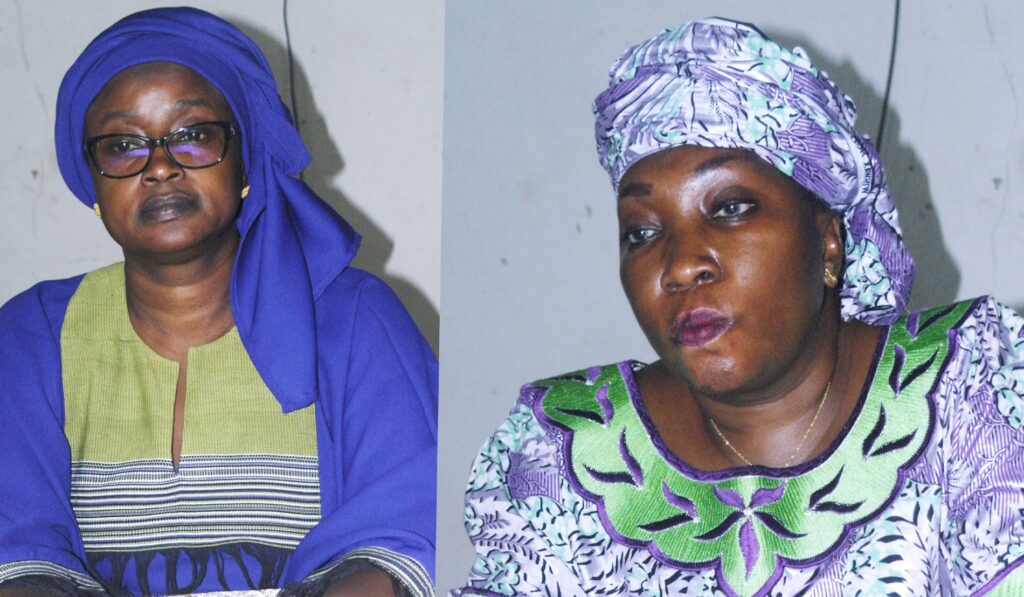
Permanent Secretary at the Ministry of Tourism, Arts and Culture Amie Njie announced the plans during an interview following a regional tourism stakeholders’ engagement in Mansakonko, Lower River Region, on Friday.
She said the consultations were important because communities understand their resources and challenges and should therefore participate in identifying tourism projects capable of generating lasting economic benefits.
“We really need to diversify to explore other areas, like ecotourism, using our culture to sell The Gambia, and also looking at some of the festivals we have and our gastronomy,” Njie said.
She said the strategy was not only aimed at increasing visitor numbers but also at encouraging tourists to explore destinations outside the country’s main tourism areas and extend their stays.
Njie said this would require better-quality tourism products, supported by appropriate infrastructure, facilities and improvements to existing attractions.
She said the ministry would assess proposals raised during the regional consultations and determine which initiatives could be implemented in the immediate, short, medium and long terms.
While some projects could be implemented as “low-hanging” initiatives, she said capital-intensive projects would require detailed planning and collaboration with development partners.
The ministry will work with institutions including the Gambia Tourism Board (GTBoard), National Centre for Arts and Culture (NCAC) and Gambia Tourism and Hospitality Institute (GTHI), while seeking support from partners including the European Union and World Bank.
One of the major issues raised during the consultations was the underutilization of the River Gambia for tourism.
Njie said the government was considering cruise tourism on the river, including day and night cruises, the transformation of jetties into marinas and the development of boutique hotels at strategic locations.
She also identified the rewilding of Kiang West National Park as a potential tourism initiative.
According to her, the project would seek to restore wildlife and create a new attraction capable of offering visitors a wildlife experience in The Gambia, similar to attractions in neighbouring Senegal.
Festivals are also expected to form part of the diversification strategy, with Njie citing the Kankurang Festival and Wuli’s Sutukoba Festival as cultural events that could be developed into international tourism attractions.
Meanwhile, GTBoard Director General Ida Jeng-Njie said regional stakeholders had called for stronger links with the Board to enable them to communicate their challenges and access greater support.
She said increased inspection and regulation of tourism facilities was among the immediate actions identified by the Board.
Stakeholders in the Central River and Upper River regions also called for suitable spaces where local tourism products, including handicrafts, could be displayed and sold.
Jeng-Njie said the creation of such spaces was among priority areas identified under the Tourism Diversification and Resilience of The Gambia Project (TDRGP).
She added that stakeholders had also called for greater attention to heritage sites, saying the GTBoard would work with the NCAC to develop and improve their attractiveness and operations.
Jeng-Njie said communities should play a central role in telling their own tourism stories.
“We want them to tell their own story,” she said, noting that communities in the Upper River Region wanted to showcase traditional woodwork and pottery, while those in the Central River Region sought to promote stories linked to historical sites.
She said the GTBoard would work with communities, chiefs, alkalos and local councils to address challenges, including identifying appropriate spaces for local tourism products.
Jeng-Njie stressed that tourism development required cooperation among government institutions and communities.
“Tourism is everybody’s business,” she said, adding that the ministry and GTBoard could not develop the sector alone.
She said concerns over poor road access to tourism sites would also be raised with the National Roads Authority, stressing the importance of improving infrastructure supporting tourism.
The regional consultations are intended to strengthen collaboration, community ownership and collective action in developing and promoting tourism destinations across The Gambia.