


By Haddy Touray
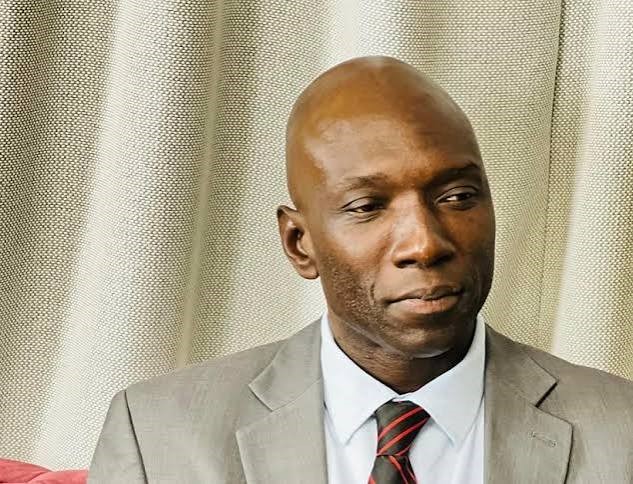
Gambian economist, Dr Ousman Gajigo has questioned the Central Bank of The Gambia’s claim that credit to the private sector increased by 41.3 per cent over the past year, arguing that the figure appears inconsistent with other indicators of the banking sector.
Gajigo made the remarks in an opinion article shared with this medium, following the release of the Monetary Policy Committee (MPC) statement last week, which highlighted the country’s rising domestic debt.
He said domestic debt had reached about D55 billion and warned that the continued increase could have serious implications for the private sector.
Gajigo said one of the consequences of high domestic borrowing that received insufficient attention was its impact on private sector access to credit.
“When the government borrows heavily on the domestic market, it crowds out credit available to the private sector,” he said, arguing that reduced access to financing limits businesses’ ability to expand, create jobs and provide goods and services efficiently.
He cited the latest International Monetary Fund (IMF) report on The Gambia, which, according to him, indicated that about 60 per cent of commercial banks’ assets over the past decade had been invested in government treasury bills and bonds.
Gajigo argued that the high proportion of bank assets invested in government securities meant that only a limited share of commercial bank lending was available to the private sector.
He also linked the government’s heavy domestic borrowing to the relatively high number of commercial banks operating in The Gambia.
According to Gajigo, the country has about 12 commercial banks, equivalent to roughly four banks per million people, which he described as among the highest ratios in the sub-region.
He argued, however, that the economy was not benefiting fully from the large number of banks because they could generate significant returns by lending to the government rather than taking on the risks associated with private sector lending.
Gajigo said businesses and individuals experiencing difficulties accessing bank loans should therefore consider the broader impact of government borrowing, in addition to issues such as collateral requirements, interest rates and grace periods.
Turning to the MPC statement, Gajigo described the reported 41.3 per cent increase in private sector credit as “highly unlikely”.
He said the figure appeared difficult to reconcile with another indicator in the same statement, which showed that commercial banks’ total assets had increased by only 19 per cent.
He further argued that, given that about 60 per cent of bank assets were reportedly invested in government securities, the reported growth in private sector credit required further explanation.
Gajigo also questioned the MPC’s statement that part of the reported growth resulted from improvements in balance-sheet classification and reporting.
He argued that the explanation suggested that a substantial portion of the 41.3 per cent increase could have resulted from accounting reclassification rather than an actual increase in private sector lending.
According to Gajigo, other banking sector indicators, including deposits and capital adequacy, showed only modest increases, which he said appeared inconsistent with such a substantial expansion in private sector credit.
He maintained that an increase of that magnitude would normally be expected to have a broader impact on economic activity and potentially be reflected in other macroeconomic indicators.
Gajigo therefore called for greater clarity on the methodology used by the Central Bank to calculate the reported increase in private sector credit.